

Playing guitar with sound effects starts with three basic effects: overdrive or distortion for more power, delay for repeats and reverb for space. You connect them as a pedal between your guitar and amp, through a multi-effects unit or through software. Start with one effect at a time, set it subtly at first and listen to how your chords and solos change. Below you can read which effects exist, in what order to place them and which mistakes you are better off avoiding. If you only add those effects afterward in your recording software, the explanation on mixing guitar recordings for beginners will help.
Sound effects are an important part of guitar playing and can drastically change the way you make and experience music. They are not only meant to enrich the sound of the guitar, but also to convey a certain mood or emotion. When you use an effects pedal, you add an extra layer to your sound, which lets your creativity run free. If you want to stack layers on top of each other yourself, read how a looper pedal for guitar works.
This can range from subtle adjustments in tone to dramatic changes that take your music in a completely new direction. In guitar playing, sound effects can take different forms, such as reverb, delay, distortion and chorus. Each of these effects has its own unique character and can be applied in different ways.
Understanding these effects and how they can influence your playing is crucial for every guitarist who wants to improve their sound. By experimenting with different sound effects, you discover not only new sounds, but also new ways to express yourself musically.
Summary
- Sound effects in guitar playing can enrich the sound of the guitar and add an extra dimension to the music.
- Some of the different types of sound effects for guitar are distortion, reverb, delay, chorus and wah-wah.
- Sound effects can be applied through pedals, amplifiers and software.
- Using sound effects correctly is essential to enhance the music and not overpower it.
- When choosing sound effects for your guitar, it is important to consider the genre and style of music you play.
Different types of sound effects for guitar
There are countless sound effects available for guitarists, each with its own specific function and use. One of the most popular effects is distortion, which is often used in rock and metal music. This effect adds a certain roughness and aggression to the sound, making chords and solos sound more powerful.
Distortion can range from a light overdrive to a heavy fuzz, depending on the intensity you want. Another common effect is reverb, which creates the illusion of space and depth. This effect simulates the echoes you would hear in a large hall or a small room.
By adding reverb to your guitar playing, you can create a dreamy or ethereal atmosphere that fits certain styles of music perfectly. Delay is also a popular effect that adds repeats of the original sound, which can lead to interesting rhythmic patterns and textures. Besides these effects there are also modulation effects such as chorus and flanger, which can enrich the sound of your guitar by adding subtle variations in pitch and timing. In surf rock, a generous amount of reverb is even part of the recognizable sound.
How to apply sound effects when playing guitar
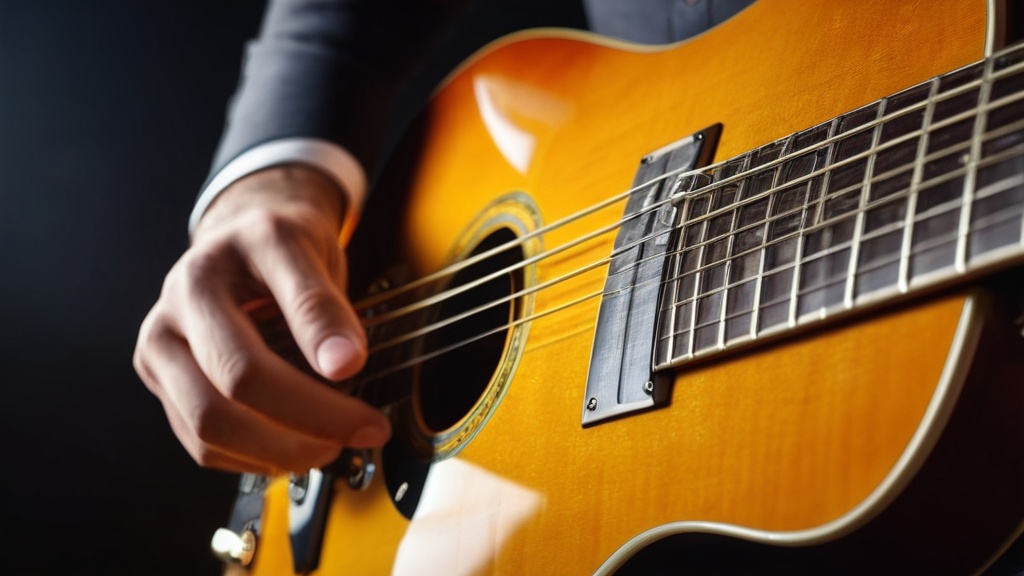
Applying sound effects while playing guitar takes some practice and experimentation. Start by choosing an effect that appeals to you and try it in different contexts. For example, if you use distortion, experiment with its intensity by adjusting the gain knob.
This can make a big difference in how your chords or solos sound. Also try different combinations of effects; sometimes combining reverb with delay can produce a beautifully layered sound. It is also important to pay attention to where you place your effects in the signal chain.
The order in which you place effects can significantly affect the final tone. In general, distortion and overdrive effects are often placed before modulation effects such as chorus, while reverb and delay usually come at the end of the chain. By experimenting with the order of your pedals, you can create unique sounds that fit your playing style perfectly.
A simple exercise with effects
Choose a short chord progression, for example Em, C, G and D, and play it four times in a row, each time with a different setting:
- Clean, without effects, so you hear the basic sound.
- With light overdrive: turn the gain up just far enough that the chords start to growl when you strum harder.
- With delay: choose one to three repeats and set the repeats softer than your own playing.
- With reverb: start low and only turn it up if your playing still sounds clear.
Record each version or play along with a backing track. That way you quickly hear which effect suits the song and when it becomes too much.
The importance of using sound effects correctly
Using sound effects correctly can make a world of difference in your guitar playing. When you apply these effects the right way, they can take your music to a higher level and help you develop your own unique sound. It is crucial to remember, though, that less is sometimes more.
Overusing effects can lead to a messy or unclear sound, which can detract from the musical message you want to convey. Sound effects can also affect the dynamics of your playing. By carefully choosing when and how you apply effects, you can create arcs of tension in your music.
This can range from subtle changes in tone to powerful climaxes that really move the listener. It is important to be aware of how each effect influences your playing and to use them strategically to achieve the mood or atmosphere you want.
Tips for choosing sound effects for your guitar
When choosing sound effects for your guitar, it is important to consider several factors. First, think about the style of music you play. Different genres often have different preferences when it comes to effects.
For example, if you play a lot of blues, you may want to invest in a good overdrive pedal, while rock guitarists often look for powerful distortion effects. It is also useful to listen to other musicians and how they use effects. This can provide inspiration and help you understand which effects work well in certain contexts. Listen, for example, to how Jimi Hendrix used fuzz and wah-wah.
Also try different brands and models; not all pedals are the same and some may suit your playing style better than others. Don’t forget that choosing sound effects is also a personal journey; what works for one guitarist may not work for you.
Common mistakes when using sound effects
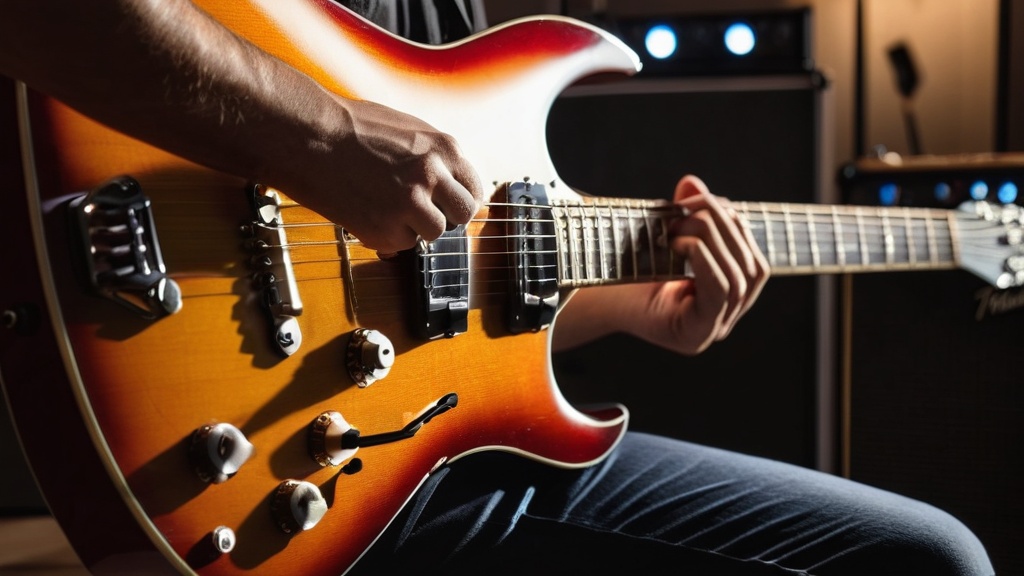
There are several common mistakes guitarists make when using sound effects. One of them is overusing effects, which can lead to an unclear or messy sound. It is important to remember that each effect has its own character and that combining too many effects at once can result in a loss of clarity in your playing.
Another common mistake is not balancing the effects with each other. It is crucial to make sure the levels of each effect are set properly, so they complement each other instead of competing for attention. This means you need to spend time adjusting the gain levels, EQ settings and other parameters to make sure everything works together well.
The influence of sound effects on guitar playing
Sound effects have a profound influence on how you as a guitarist can express yourself. They allow you to explore new sounds and textures that might not be possible with just the guitar itself. By using different effects, you can diversify your playing style and experiment with new musical ideas.
Sound effects can also help shape your identity as a musician. The choice of specific effects can reflect your personal taste and style, allowing you to create a unique sound that sets you apart from other guitarists. This aspect of creativity makes using sound effects not only technically interesting, but also artistically valuable.
The future of sound effects in guitar playing
The future of sound effects in guitar playing looks promising, especially with the ongoing advances in technology. Digital effects are becoming more and more advanced and offer guitarists more possibilities than ever before. With software solutions, musicians can now create complex soundscapes without having to limit themselves to physical pedals. If you want to use effects through your computer, you will usually need an audio interface for your guitar.
We are also seeing a growing trend toward hybrid systems that combine analog and digital technologies. This gives guitarists the chance to get the best of both worlds: the warm sound of analog pedals together with the versatility and flexibility of digital effects. As these technologies keep developing, guitarists will undoubtedly find new ways to explore their sound and expand their musical creativity further.
In conclusion, sound effects play a crucial role in guitar playing and offer countless possibilities for creativity and expression. By using these effects consciously, you can take your music to new heights and develop a unique sound that is truly your own. Whether you are just starting out or have been playing for years, there is always room for growth and discovery in the world of guitar effects.
If you are interested in playing guitar with sound effects, it is also worth improving your guitar techniques. A related article that can help with this is Learn guitar techniques with these handy tips. This article offers valuable insights and techniques you can apply to take your guitar playing to a higher level, which can ultimately enrich your use of sound effects as well.
Frequently asked questions about playing guitar with sound effects
What are sound effects in guitar playing?
Sound effects in guitar playing are electronic devices used to change or enhance the sound of the guitar. These can include reverb, delay, distortion, chorus, wah-wah and flanger, among others.
How are sound effects used in guitar playing?
Sound effects are used by connecting them to the guitar amp or pedalboard. The guitarist can then adjust and operate the effects to create the desired sound while playing.
Which devices are used for sound effects in guitar playing?
There are various devices used for sound effects in guitar playing, including effects pedals, multi-effects units, rackmount units and guitar amps with built-in effects. Which pedals are good to start with and in what order to place them is covered in these tips on effects pedals for beginners.
What are some common sound effects in guitar playing?
Some common sound effects in guitar playing are reverb, delay, distortion, chorus, wah-wah, flanger, phaser, tremolo and octaver.
Are sound effects necessary for playing guitar?
Sound effects are not necessary for playing guitar, but they can improve the sound of the guitar and increase the guitarist’s creativity. Using sound effects depends on the preference of the individual guitarist.
In what order do you place effects pedals?
A commonly used order is: tuner, wah, overdrive or distortion, modulation such as chorus or flanger, and finally delay and reverb. That is a guideline, not a fixed rule. If a different order sounds better for your music, that is perfectly fine.
Can you use effects on an acoustic guitar?
Yes, if your acoustic guitar has a pickup or if you play with a microphone. Reverb, delay and chorus work well on acoustic. Heavy distortion usually sounds less pleasant and is more prone to feedback.




Leave a Reply