
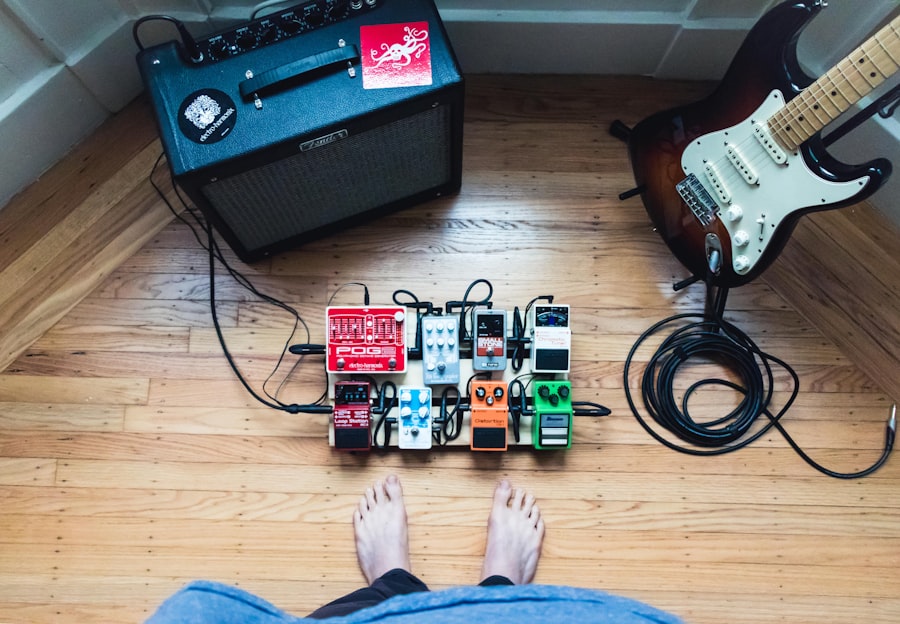

You find your own sound on guitar by deliberately choosing how you sound: with your picking, timing and vibrato first, and only then your gear. Much of your sound is in your hands, not in your pedals. After that, you fine-tune with guitar, amp and effects. Below you read where your sound comes from and how to develop it step by step.
Why having your own sound is worth the effort
When you start playing guitar, it is easy to get carried away by the sounds of your favorite artists. You may want to sound exactly like your idols, but it is crucial to realize that developing your own sound is an essential part of your musical journey. Your own sound is not only a reflection of who you are as a musician, it also helps you stand out in a world full of musical influences.
Creating a unique tone can help you build a personal connection with your audience, making your music authentic and recognizable. Finding your own sound takes time and experimentation. It is important to try different styles and techniques, so you can discover what suits you best.
This can range from playing different genres to experimenting with different guitar settings and playing techniques. By giving yourself room to explore, you can combine elements from different styles and create a sound that is truly yours. In the end, this search for your own sound will not only improve your playing, but also boost your confidence as a musician.
Summary
- Having your own sound on guitar is essential for creating a unique musical identity
- Developing your own style takes time, dedication and the ability to express yourself through music
- Technique and creativity are both important for reaching a high level of musicianship on guitar
- Using effects and equipment can help you strengthen and enrich your sound
- Influences and sources of inspiration can help you develop and evolve your own style
Developing your own style
Developing a personal style on guitar is a process that takes a lot of patience and dedication. Your style is the way you interpret and present music, and it covers everything from your playing technique to the choices you make in composition and improvisation. It is important to give yourself the freedom to experiment with different techniques and styles, so you can discover what works for you.
This can mean working elements of blues, rock, jazz or even folk into your playing. An effective way to develop your own style is to listen to other musicians and analyze their techniques. Do not just try to copy what they do, but look at how you can adapt their ideas to your own musical vision. If you want to practice this in a focused way, read how to improvise in different styles.
This can lead to new insights and inspiration that help you find a unique voice in the world of guitar music. Do not forget that the process of self-discovery is just as important as the end result; every step you take toward developing your own style contributes to your growth as a musician.
The importance of technique and creativity
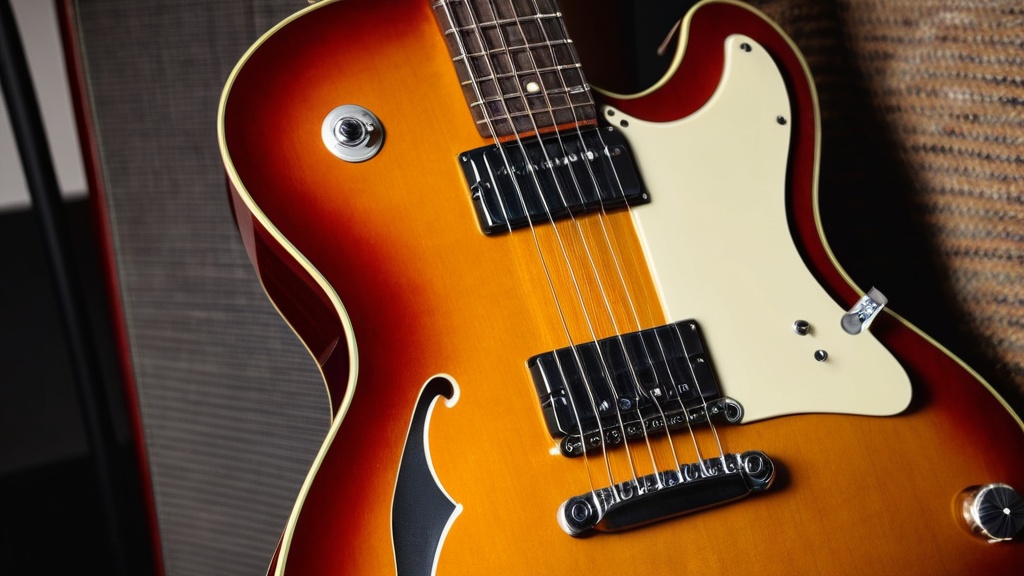
Technique and creativity are two sides of the same coin when it comes to playing guitar. On the one hand, a solid technical foundation is essential for every musician. Mastering different playing techniques, such as fingering, bends and slides, lets you play more complex pieces and express yourself in ways that might otherwise not be possible. You can read how to build those two techniques in learning slides and bends.
Technique provides the foundation on which you can build your musical ideas. On the other hand, creativity is what really brings music to life. It lets you think outside the box and explore new sounds and structures.
When technique and creativity come together, a powerful synergy emerges that leads to unique musical experiences. It is important to spend time both on improving your technical skills and on stimulating your creativity. You can do this through improvisation, writing original songs or even collaborating with other musicians. These tips for writing songs with 4 chords give you a simple starting point.
By keeping these two elements in balance, you can keep challenging yourself and growing as a guitarist.
Where your sound comes from: five things to experiment with
- Picking position: if you pick closer to the bridge, your tone sounds brighter and tighter. Closer to the neck it sounds rounder and warmer.
- Pick or fingers: a thin pick sounds lighter and brighter, a thick pick fuller. With your fingers you sound softer and warmer.
- Pickup and tone knob: on an electric guitar the neck pickup sounds warmer and the bridge pickup sharper. With the tone knob you roll off the high frequencies.
- Vibrato and bends: the speed and width of your vibrato make many guitarists instantly recognizable.
- Timing and space: when you play a note and how much silence you leave shapes your phrasing just as much as which notes you choose.
Take a short melody or riff and play it five times, each time with one change. Record yourself and listen to which version sounds most like you.
Using effects and equipment
Equipment plays a big role in shaping your sound. From amps to pedals, the choices you make about effects can have an enormous impact on how your music sounds. Using effects such as reverb, delay or distortion can not only change the tone color of your guitar, but also strengthen the emotional impact of your music. If you are new to pedals, start with these tips for effects pedals.
It is important to experiment with different combinations of effects to discover what suits your style best. It is also essential to understand how equipment works and how it can affect your playing experience. A good understanding of amps, speakers and effects can help you get the most out of your gear. You will find an explanation of the basics in how a guitar amp works.
This does not mean you need the most expensive equipment; often a few well-chosen pedals and a decent amp are enough to create a unique sound. By immersing yourself in the world of guitar gear, you can not only refine your sound, but also discover new creative possibilities.
Influences and sources of inspiration
Every musician has influences that inspire and motivate them to make music. Whether it is famous guitarists, bands or even other art forms such as painting or literature, these influences can play an important role in your musical development. It is valuable to consciously reflect on who or what inspires you, because this can give insight into your own musical preferences and style. A good example is the guitar style of Eric Clapton, who was himself strongly shaped by the blues.
Exploring different genres and artists can also help you pick up new ideas for your own music. Try not only to listen to the most popular artists, but also look for lesser-known musicians who have unique sounds and styles. This can lead to surprising discoveries that stimulate your creativity and open up new directions for your music.
Do not forget that inspiration can be found everywhere; sometimes even a walk in nature or a good book can spark new musical ideas.
The importance of improvisation and spontaneity
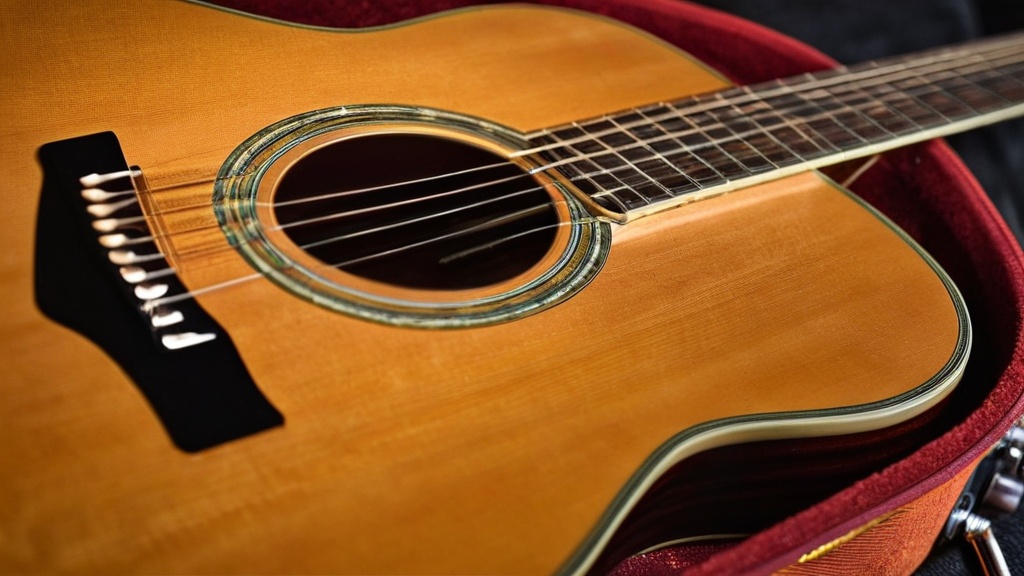
Improvisation is an essential part of guitar playing that is often overlooked by beginning musicians. It lets you play freely without being tied to predetermined notes or structures. This can lead to unique musical moments that might otherwise never have happened.
By regularly improvising, you develop not only your technical skills, but also your ability to think creatively and make quick decisions while playing. Spontaneity in music can also create an authentic connection with your audience. When you improvise, you show that you are open to new ideas and willing to take risks.
This can lead to unforgettable live performances in which both you and the audience are completely absorbed in the moment. It is important to give yourself room to experiment with improvisation; even if not everything sounds perfect, these moments can lead to valuable lessons and new musical insights.
Finding a balance between technique and emotion
A good guitarist knows that technique alone is not enough; emotion plays a crucial role in the impact music has on listeners. Finding the right balance between technical skill and emotional expression is essential for any musician who wants to move their audience. Technique lets you play complex passages accurately, but it is emotion that connects the listener to your music.
To achieve this balance, it is important to consciously reflect on what you want to convey with your music. Ask yourself which feelings or stories you want to share and how you can use your technique to convey those emotions. This can mean applying certain techniques, such as vibrato, in a more expressive way, or choosing simpler playing that leaves more room for emotional depth. You will find practical exercises in combining theory and feel on guitar.
By continually striving for this balance, you can create a deeper connection with your audience and move them in a way that goes beyond technical virtuosity alone.
The importance of continuing to experiment and develop
A guitarist’s journey never ends; there is always room for growth and development. The importance of continuing to experiment cannot be stressed enough. Whether it is exploring new genres, learning new techniques or trying out different effects, every step you take in this direction contributes to your evolution as a musician.
By challenging yourself and stepping outside your comfort zone, you can discover new possibilities that enrich your music. It is also essential to be open to feedback and new ideas. Collaborating with other musicians or attending workshops can offer valuable insights that help you keep growing. You will find useful ground rules for playing together in these tips for playing with other guitarists.
Do not forget that every musician walks their own unique path; do not compare yourself with others, but focus on your own development and progress. By constantly experimenting and challenging yourself, you not only stay motivated, but also develop an ever richer musical palette that helps you shape your own sound further. What other guitarists say about their instrument is covered in these inspiring guitar quotes.
If you are working on finding your own sound on guitar, it can also be useful to experiment with different music styles and songs. A good way to start is by playing simple songs you already know. For example, learning to play children’s songs can be a fun and accessible way to improve your skills and develop your own style. For more information and tips on playing children’s songs on guitar, you can check out this article: Learn to play children’s songs on guitar with chords. By experimenting with different chords and techniques, you can discover what best fits your unique sound. A good starting point is first children’s songs with 2 chords, such as London Bridge with just G and D.
Frequently asked questions about your own sound on guitar
What is an “own sound” on guitar?
An “own sound” on guitar refers to the unique sound and playing style of a guitarist. It includes the way a guitarist strums chords, bends notes, uses vibrato and applies other techniques to create a personal and recognizable tone.
How can I find my own sound on guitar?
To find your own sound on guitar, it is important to practice a lot and experiment with different playing styles, tone settings and effects. Also listen to different guitarists and let their playing style inspire you, but at the same time try to develop your own unique sound.
Which factors influence my own sound on guitar?
Several factors can influence your own sound on guitar, including your choice of guitar and amp, the use of effects pedals, your playing technique, the way you strum chords and your musical preferences.
Do I need to know music theory to find my own sound on guitar?
Although knowledge of music theory can be useful, it is not strictly necessary to find your own sound on guitar. Many guitarists develop their own unique sound through experimenting, listening and lots of practice. However, understanding music theory can help you understand and apply certain techniques and concepts.
How long does it take to develop your own sound?
There is no fixed timeline. Your sound grows along with your playing: the more you play, listen and experiment, the clearer your own preferences become. Many guitarists keep refining their sound throughout their lives.
Do I need expensive equipment for my own sound?
No. Your picking, timing and vibrato determine to a large extent how you sound, and you take those with you to every guitar. Better equipment can help refine your sound, but with a simple guitar and amp you can already discover what suits you.






Leave a Reply