
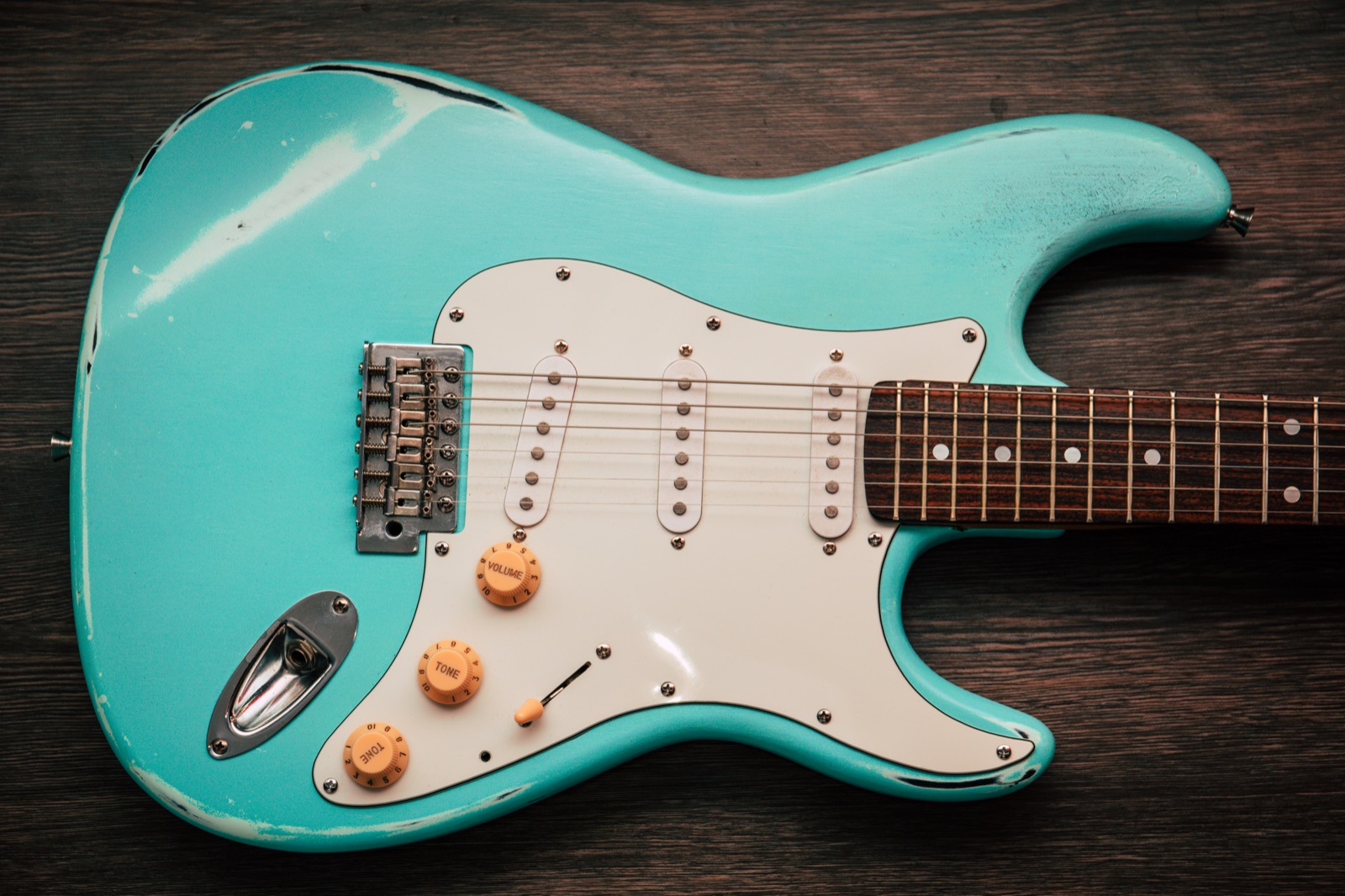

The surf rock guitar style is built on a bright, clean electric guitar with plenty of spring reverb, fast tremolo picking and catchy instrumental melodies. The genre emerged in the early 1960s in Southern California, with Dick Dale as its best-known pioneer and “Misirlou” as its most recognizable song. Below you can read where the sound comes from, who you should know and how to play it yourself.
What is surf rock?
Surf rock is a genre that has its roots in the early 1960s and is closely tied to the surf culture of that time. It is an energetic, driving style, usually marked by a bright, sparkling sound that fits perfectly with images of sun, sea and surfboards. The guitar plays a central role in this music, and specific techniques and effects are used to create a unique tone.
Think of reverb and tremolo, which together create an ethereal and sometimes almost dreamy atmosphere. The surf rock guitar style is not only a musical expression but also a cultural movement. It reflects the lifestyle of young people who identified with surf culture, with themes that often revolve around freedom, adventure and the ocean.
The music is often instrumental, but there are also many songs with vocals that captured the spirit of surfing. The genre has had a lasting impact on music history and still influences a range of musical styles today.
Summary
- Surf rock is a guitar style that emerged in the 1960s and was inspired by surf music and surf culture.
- The history of surf rock began in Southern California with Dick Dale as its pioneer; instrumental bands such as The Ventures and vocal groups such as The Beach Boys brought the surf sound to a wide audience.
- Typical elements of surf rock include the use of reverb, tremolo and fast, melodic guitar riffs.
- Dick Dale is the best-known surf guitarist; Link Wray and Duane Eddy were important forerunners with their raw, twangy guitar sound.
- To play surf rock guitar, you need to be familiar with chords, scales and techniques such as palm muting and tremolo picking.
The history of the surf rock guitar style
The origins of the surf rock guitar style can be traced back to the early 1960s in the United States, particularly in California. Dick Dale and his band The Del-Tones are often named as pioneers of this genre; vocal groups such as The Beach Boys later brought surf music to a large audience. Dick Dale, also called the “King of the Surf Guitar,” was one of the first guitarists to use the characteristic reverb sounds and fast picking techniques that are so typical of surf rock.
His song “Misirlou” is a classic example that perfectly embodies the surf rock sound. In the 1960s, surf rock grew into a popular style of music, with countless bands embracing the genre. The music was often used in films and on television, which added to its popularity.
The combination of catchy melodies, rhythmic guitar runs and energetic drum parts made it a favorite among young people. However, toward the end of the 1960s, the popularity of surf rock began to fade, especially with the rise of other styles such as psychedelic rock and folk.
Characteristic elements of the surf rock guitar style
The surf rock guitar style has several characteristic elements that set it apart from other genres. One of the most striking is the use of reverb, which creates a spacious, echoing sound. This effect gives the music a dreamy quality that fits perfectly with images of waves and beaches.
Tremolo is also used often, adding a vibrating tone to the guitar parts. Another important element is the fast picking technique that is used extensively. It creates an energetic, driving sound that makes you want to dance and sing along.
The melodies are often simple but catchy, so they stick in your head easily. In addition, many surf rock songs are instrumental, which means the focus is on the guitar and the rhythm section, with no vocals to distract from the music.
Influential surf rock guitarists
Several guitarists played an important role in the development of the surf rock guitar style. Dick Dale is without doubt one of the most influential figures in this genre. His innovative playing style and use of effects not only defined surf rock but also influenced other genres.
His powerful playing and energetic performances made him a legend on the music scene. Another important name is The Ventures, a band known for their instrumental songs and catchy melodies. Their influence can be seen in countless bands that followed.
With his raw guitar sound, Link Wray was an important forerunner, and the British band The Shadows played similar instrumental guitar rock in the same period. Their unique styles and techniques ensured that surf rock has had a lasting impact on music history. You can also practice the twangy sound of that era with rockabilly riffs on guitar.
How do you play surf rock guitar?
If you are interested in playing surf rock guitar, there are a few important techniques and styles you need to master. First, it is essential to get comfortable with reverb and tremolo effects. These effects are crucial for creating the typical surf sound.
Make sure you have a good reverb pedal and experiment with different settings to find the right atmosphere. It is also important to practice fast picking techniques. This can mean playing arpeggios or practicing quick runs that are typical of surf rock songs. If you really want to learn to play arpeggios fast, take a look at sweep picking exercises for advanced players.
Start slowly and build up your speed gradually while making sure you stay accurate. Playing well-known surf rock songs can also help you improve your skills and get familiar with the genre.
How to get the surf sound: tone and a first exercise
- Reverb: the classic surf sound comes from spring reverb, as in the Fender reverb units and amps of that era. Turn the reverb up high, so that the notes you play ring out and echo. If your amp has no reverb, these tips on effects pedals will help you get started.
- Guitar and pickups: single-coil pickups and the bridge pickup give the bright, sharp tone.
- Tremolo picking: pick a single note quickly and evenly, up and down, with a pick. That is alternate picking at a high tempo; start with sixteenth notes at an easy tempo and only increase the speed once every stroke sounds equally loud.
A good first exercise: tremolo-pick a note on the low E string and then slowly slide up along the same string, keeping your picking even. That is also how “Misirlou” begins: quickly repeated notes on the low E string. The Eastern flavor of that song comes from scales you will also find in Arabic scales on guitar.
Iconic surf rock songs
There are countless iconic songs in the surf rock genre that are essential for any fan of this style. One of the most recognizable is “Misirlou” by Dick Dale, which is often regarded as the anthem of surf rock. The fast guitar run and powerful rhythms make it an unforgettable song that is still played a lot today.
Another classic is “Pipeline” by The Chantays, known for its hypnotic melody and rhythmic structure. This song has inspired countless artists and remains a favorite among surf rock fans. “Wipe Out” by The Surfaris is also a must-know; it has a recognizable drum solo that gets everyone dancing.
The surf rock guitar style in modern music
Although surf rock had its heyday in the 1960s, the genre has never gone completely out of fashion. In fact, today we see a revival of surf rock elements in modern music. Bands such as Los Straitjackets and The Mermen combine traditional surf sounds with contemporary influences, breathing new life into this classic genre. The film Pulp Fiction (1994) also introduced “Misirlou” to a large audience again.
Many contemporary artists also integrate elements of surf rock into their music, even if they don’t strictly fall within the genre. Think of indie and alternative bands that use reverb sounds and catchy guitar lines to give their songs a dreamy atmosphere. This cross-pollination between genres shows how timeless and versatile surf rock can be.
Tips for learning the surf rock guitar style
If you want to learn how to play surf rock guitar, a few handy tips can help you on your musical journey. Start by listening to classic surf rock songs to get a feel for the genre and its typical sounds. Try different artists and songs to discover which styles appeal to you most.
It is also useful to follow online tutorials or lessons focused specifically on surf rock techniques. There are plenty of resources that can help you learn reverb and tremolo effects, as well as fast picking techniques. Don’t forget to practice regularly; consistency is essential to improving your skills.
Finally, don’t be afraid to express your own creativity within the genre. Surf rock leaves plenty of room for improvisation and experimentation, so feel free to try new ideas and develop your own unique sound. With patience and dedication, you can immerse yourself in this exciting style of music and enjoy everything surf rock has to offer.
If you are interested in the surf rock guitar style and want to learn more about different guitar techniques, it is also worth exploring fingerstyle guitar. This technique can help you develop your guitar skills further and offers a different approach to playing the guitar. For a step-by-step guide to learning fingerstyle guitar, see this article: Learn to play fingerstyle guitar: a step-by-step guide. It offers valuable tips and techniques that can take your guitar playing to a higher level. A good example to learn from is Tommy Emmanuel’s fingerstyle.
Frequently asked questions about surf rock guitar
What is surf rock music?
Surf rock is a music genre that emerged in the early 1960s and became popular in the United States. It is characterized by reverb-drenched guitars, fast rhythms and an energetic, driving sound that evokes surfing and beach culture.
What is the guitar style of surf rock?
The surf rock guitar style is characterized by the use of reverb and tremolo effects to create a “wet,” “wavy” sound. It also often features fast, melodic riffs, frequently played on the higher strings of the guitar.
Which techniques are used in surf rock guitar playing?
Surf rock guitar playing often uses techniques such as tremolo picking, vibrato and the whammy bar. Chords and arpeggios in the higher registers are also used a lot. The difference between vibrato with your fingers and with the tremolo arm is explained in improving your guitar vibrato.
Which gear is used for surf rock guitar?
Many surf rock guitarists use Fender guitars, such as the Stratocaster and the Jazzmaster, for their bright, sparkling tone. Fender amps are also often used, together with reverb and tremolo effects pedals, to create the characteristic surf rock sound.
Which guitar is suitable for playing surf rock?
A guitar with single-coil pickups, such as a Stratocaster, Jaguar or Jazzmaster, comes closest to the classic sound. With another electric guitar and good reverb you can get a long way too, especially if you use the bridge pickup. How these differ from a Les Paul or SG is shown in the overview of types of electric guitars and their shapes.
Is surf rock suitable for beginners?
The melodies are often simple, so you can play easy surf themes early on. Fast tremolo picking does take practice, though: start slowly with a metronome and raise the tempo step by step.





Leave a Reply