
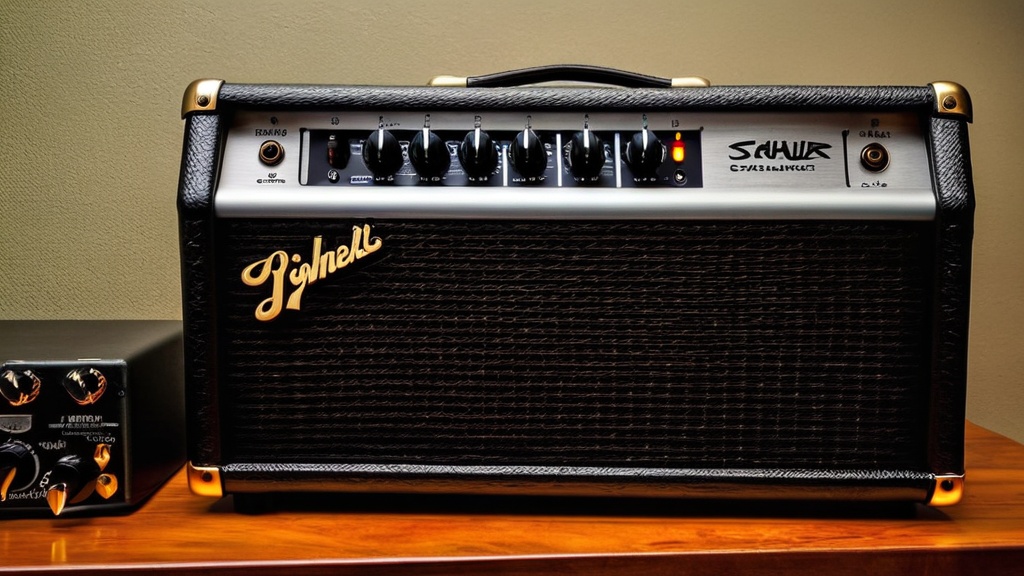

Short answer: A guitar amp boosts the weak signal from the pickups in your electric guitar and sends it to a speaker. The preamp shapes your tone with gain and an equalizer, the power amp supplies the power and the speaker turns it into sound. That is how you decide whether your guitar sounds clean, warm or distorted.
If you play electric, an amp is part of your basic gear; for what else you need, read the guide learning to play electric guitar. The primary purpose of a guitar amp is to amplify the sound of your electric guitar so that a larger audience can hear it. It does this by converting the electrical signals the guitar generates into sound waves that are sent out through speakers.
Without an amp, the sound of your guitar would be barely audible, especially in a live setting. A guitar amp also offers more than just volume. It lets you shape and adjust the tone of your guitar.
With different settings and effects you can create a wide range of sounds, from bright, sparkling tones to heavy, distorted riffs. That makes the guitar amp not only a tool for amplification, but also a creative instrument in its own right.
Summary
- A guitar amp is an electronic device that amplifies and distorts the sound of an electric guitar.
- There are different types of guitar amps, including tube amps, solid-state amps and modeling amps.
- A guitar amp works by boosting the guitar’s weak signal and adding distortion and effects.
- Important features of a guitar amp include tone controls, gain, reverb and an effects loop.
- When connecting a guitar amp, it is important to use the right cables and match the impedance.
Types of Guitar Amps
Guitar amps differ in technology and in form. By technology you have tube amps, transistor amps (solid-state) and modeling amps; by form, a combo or a separate head with a cabinet. Tube amps, often loved for their warm and rich tone, use vacuum tubes to amplify the sound.
These amps are often more expensive and need more maintenance, but many musicians swear by their sound. Transistor amps, on the other hand, are usually lighter and more reliable. They are ideal for beginners and for situations where you want consistent sound quality without the need for regular maintenance.
Digital amps, also called modeling amps, use software to imitate the sound of all kinds of amps and effects. They are handy if you want to try many different styles and sounds.
| Type | How does it work? | Advantages | Disadvantages | Suitable for |
|---|---|---|---|---|
| Tube amp | Amplifies the signal with vacuum tubes | Warm tone, natural distortion when you turn it up further | Heavy, more expensive, tubes wear out and need replacing from time to time | Playing at volume: rehearsal, studio and stage |
| Transistor amp (solid-state) | Amplifies the signal with transistors | Light, reliable, little maintenance | Distortion often sounds less warm than with tubes | Beginners, practicing and playing clean |
| Modeling amp | Uses software to imitate different amps and effects | Many sounds in one device, often with a headphone output and USB | The many settings can distract you from practicing | Practicing at home, recording and trying many styles |
| Combo | Amp and speaker in one cabinet | Compact and ready to go right after you plug in | Less flexible than a separate head and cabinet | Home, rehearsals and small gigs |
| Head and cabinet | Separate amp (head) with a separate speaker cabinet | Free to combine, lots of volume | Big and heavy, and the impedance of head and cabinet must match | Stage and larger venues |
| Practice amp | Small combo with low power, usually transistor or modeling | Affordable, light and often with a headphone jack | Too quiet to play against a drummer | Beginners and practicing at home |
If you are just starting out, a practice amp is usually the logical first amp for your guitar. For which models are suitable, read the overview of the best practice amps for electric guitar.
How Does a Guitar Amp Work?
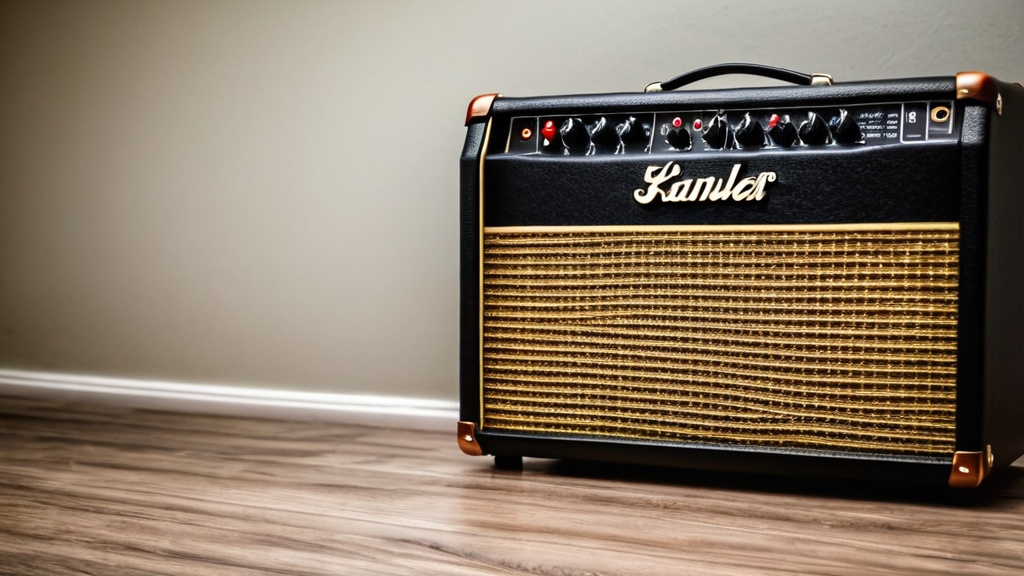
A guitar amp works by receiving the electrical signal generated by the guitar’s pickups. In its original form this signal is fairly weak and has to be boosted to be audible. The amp takes in this signal and raises its amplitude, making the sound louder.
This process involves several components, including preamps, power amps and speakers. The preamp is responsible for boosting the signal to a level suitable for further processing. Different effects and tone settings can also be applied here.
The power amp takes the boosted signal from the preamp and raises it further, so it can be sent out through the speakers. This complex process lets you adjust the tone of your guitar to your personal preferences.
Important Features of a Guitar Amp
When choosing a guitar amp, it is important to look at several features that can improve your playing experience. One of the most important features is the equalizer, which lets you adjust the frequencies of the sound. This lets you shape the tone of your guitar, depending on the style of music you play.
There are also often built-in effects such as reverb, delay and chorus. These effects can enrich your sound and give you a more dynamic playing feel. Some amps also have a built-in tuner, which is handy for live gigs or rehearsals. If your amp has no tuner, a clip-on tuner works just as well. If you want more tonal options later, read the tips on effects pedals for beginners to see how to put pedals between your guitar and amp. To hear how far you can get with just a good dose of reverb, listen to the surf rock guitar style.
Power matters too: the higher the wattage, the louder you can play before the amp starts to distort.
Connecting a Guitar Amp
Connecting a guitar amp is a relatively simple process, but it is important to do it correctly to avoid damaging your equipment. Start by plugging your guitar into the amp’s input using a good-quality instrument cable. Make sure the amp is switched off before you connect it, to prevent pops or damage.
If you have a combo amp, the speaker is already built in and you are done once you have plugged in the guitar cable. If you work with a separate amp head and a speaker cabinet, connect them with a speaker cable (not an instrument cable) and check that the impedance of the amp matches that of the cabinet. Never switch on a tube amp without a speaker connected, because that can damage the output stage. Once everything is connected, you can switch the amp on and start playing.
Setting Up a Guitar Amp
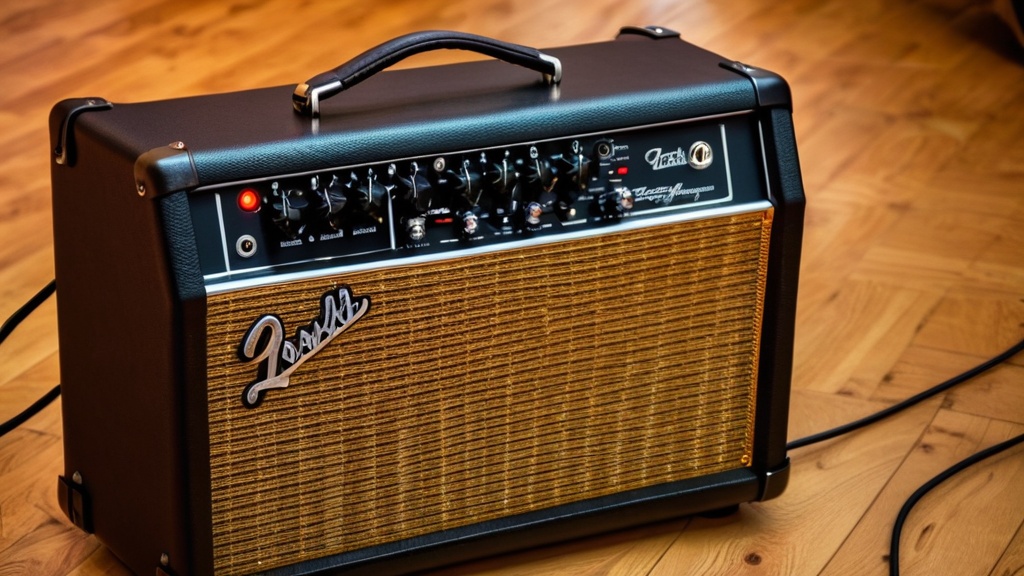
Setting up a guitar amp can seem overwhelming at first, but with a little practice you can quickly find the right settings for your playing style. Start by setting the volume at a moderate level to avoid overloading yourself or others. Then you can use the tone knobs to adjust the bass, mid and treble frequencies.
Experiment with different settings to discover what sounds best for your style of music. If you play rock, for example, you may want more emphasis on the mids and highs for a cutting sound. For blues or jazz, a warmer tone with more bass may be more appealing. If you play power chords for rock music, keep the gain a bit lower: that keeps the chords tight and clear.
Don’t forget that every guitar and amp is unique, so take the time to find your ideal sound. You will find more ideas in the article on finding your own sound on guitar.
A Basic Setting for Beginners
If you don’t know where to start, use this neutral starting setting and then change one knob at a time:
- Set the volume to zero before you switch the amp on.
- Turn bass, middle and treble to the middle position.
- Set the gain low for a clean tone, or a bit higher for light distortion.
- Turn effects such as reverb off or very low.
- Play a chord and slowly turn the volume up to a comfortable level.
Many practice amps also have a headphone jack, so you can practice at home without disturbing others. More ideas for practicing guitar quietly are in a separate article.
Common Problems and Solutions with Guitar Amps
As with any electronic device, problems can occur with guitar amps. A common problem is that the amp produces no sound. This can have several causes, such as a faulty cable or a problem with the guitar itself.
First check that all connections are properly made and that the cables are in good condition. Another problem that often occurs is distortion or noise in the sound. This can be caused by overloading the amp or by poor-quality cables. If you mainly hear that noise in your recordings, you will find the causes and solutions in the tips for recording guitar without noise.
Make sure you don’t use too much gain and invest in high-quality cables to minimize interference. If these solutions don’t work, you may need to call in professional help.
Tips for Choosing the Right Guitar Amp
When choosing the right guitar amp, there are several factors to take into account. First, it is important to think about where you will mainly use the amp: at home, in the studio or on stage? For home use you may not need as much power as for live gigs. If you mostly play at home, also look at how to set up a home studio as a guitarist.
You also need to consider your playing style and your sound preferences. Try different types of amps to see which one fits your style best. Don’t forget to look at value for money either; sometimes a cheaper amp can sound better than an expensive option. If you are buying your guitar and amp at the same time, also read the tips on an electric guitar for beginners.
Take the time to do research and ask other musicians for advice before you make a final choice.
If you are just starting to learn about guitar amps, it is also handy to find out more about electric guitars, since they are often used together. A related article that can help you with this is Everything You Need to Know About Electric Guitars. This article offers a comprehensive guide to the different aspects of electric guitars, which can give you a better understanding of how they work together with amps to produce the sound you are looking for.
Frequently asked questions about guitar amps
What is a guitar amp?
A guitar amp is an electronic device that amplifies the sound of an electric guitar. It turns the guitar’s weak signal into a more powerful sound that is played through a speaker.
How does a guitar amp work?
A guitar amp works by boosting the weak signal coming from the electric guitar. This is done with electronic components such as tubes, transistors and capacitors. The boosted signal is then sent to a speaker, which produces the sound.
What are the different types of guitar amps?
There are different types of guitar amps, including tube amps, solid-state amps and digital amps. Tube amps use vacuum tubes to boost the signal, while solid-state amps use transistors. Digital amps use digital signal processing technology.
What are the most important features of a guitar amp?
Important features of a guitar amp include the power (expressed in watts), the number of channels, the equalizer settings, built-in effects and connections for external equipment such as effects pedals.
How do I choose the right guitar amp?
When choosing a guitar amp, it is important to consider factors such as the intended use (home use, gigs), the sound you want, your budget and compatibility with other equipment such as effects pedals. It is also advisable to try out different amps before you make a choice.
Can you play an electric guitar without an amp?
Yes, but then you only hear the quiet sound of the strings themselves. That is fine for practicing chords and fingerings, but you don’t hear how your tone really sounds, and mistakes such as strings ringing out unintentionally are less noticeable. With a small practice amp or a headphone amp you do hear the full sound.
How many watts do you need to practice at home?
For home, a small practice amp is usually plenty. A tube amp often sounds louder than a transistor amp at the same wattage. You only need more power when you play with a drummer or a band.
Which guitar amp is good for beginners?
For most beginners, a small practice amp with a headphone output is the handiest choice, using transistor or modeling technology. It is light, easy to set up and sounds good even at low volume. A tube amp only really comes into its own at a volume that is often too loud at home.
What is the difference between a combo and a head with a cabinet?
With a combo, the amp and speaker are together in one cabinet: plug in and play. With a head and cabinet they are separate, so you can combine them freely and get more volume. You connect a head with a speaker cable, and the impedance of head and cabinet must match.





Leave a Reply