


Learning guitar with backing tracks means playing along with a recording of, for example, drums, bass and chords, where the guitar part or solo is missing. That way you practice timing, chords, scales and improvisation in a real musical context, without needing a band. Choose a track in a key and tempo you can handle, play the chords along first and only then start improvising. Online you can find thousands of tracks, often free, on YouTube and in practice apps.
What are backing tracks?
Backing tracks are pre-recorded pieces of music that serve as accompaniment for musicians. They often contain a rhythm section, bass lines and sometimes other instruments, but usually lack the vocals, the main melody or the solo. That gives you, as a guitarist, room to add your own melodies and solos. You find them in all kinds of genres, from rock and pop to jazz and blues, and at all difficulty levels. A track without vocals is also handy if you want to practice singing and playing at the same time; you can read tips for that in practicing vocal coordination.
Using backing tracks has become a popular way to practice, jam or even perform without a full band. It also prepares you for the moment you play guitar with a real drummer and bass player.
Summary
- Backing tracks are recordings of music without the main part, such as vocals or lead guitar, that you can practice and play along with.
- They help you with timing, scales, chords and improvisation, and simulate playing in a band.
- You find them on YouTube, Bandcamp, specialized websites, in apps and on CDs or in instruction books.
- When choosing, pay attention to your level, the style, the key, the tempo and the sound quality.
- You can use backing tracks to practice, but also for performances, songwriting and jam sessions.
The benefits of practicing with backing tracks
The biggest benefit is that your timing and sense of rhythm improve. With a backing track, you are forced to stay in time, just like in a band. That is especially useful if you struggle with playing in a band setting. You also learn how your part fits into a bigger musical whole. If you want to practice your timing on its own first, start with this step-by-step plan for practicing with a metronome.
Backing tracks also help with improvising. Practicing alone without a musical context makes it hard to be creative; with a rhythm section under your playing, it is easier to try out new melodies and techniques. That is especially valuable in genres like blues and jazz, where improvisation is a big part of the music. By playing different tracks, you expand your musical vocabulary and develop a style of your own.
Backing tracks also make practicing more fun. Repeating only scales or exercises can get boring. With a track, you play along with your favorite songs or improvise in a style that appeals to you, and that keeps you motivated. Finally, you build confidence: if you can play along smoothly with a track, you feel more secure during live performances and jam sessions. No backing track at hand? You can also play along with songs on the radio. That trains the same skills: listening, finding the key and staying in time.
Where to find backing tracks

The most popular source is YouTube, where many musicians upload their own backing tracks. You can easily search by genre, key, tempo or a specific song. You also find plenty of tracks on Bandcamp and specialized music websites, free or paid. There are also apps for musicians that let you stream or download backing tracks.
Besides digital sources, there are also CDs and instruction books with backing tracks. Those are handy if you prefer to practice offline. Collect tracks in different styles, so you can alternate and keep experimenting with new techniques.
Choosing the right backing track
Choose a track that fits your current level and playing style. As a beginner, start with simple tracks without complex chords or fast tempos. Tracks made especially for beginners are often slower and have a clear structure, so you don’t get overwhelmed. Completely new to this? Then first read how to learn guitar as a beginner.
As you progress, choose tracks that call for more techniques. Above all, choose music you enjoy: if you love rock, look for tracks with typical rock rhythms and structures; if you like blues, jazz or pop, there is just as much on offer. Step outside your comfort zone once in a while too, because an unfamiliar style often gives you new ideas.
Also pay attention to the key and the tempo, which are usually in the title, and to the sound quality. A track with a messy mix or unclear chords makes practicing harder.
How to practice with a backing track
- Listen first. Listen to the track carefully, so you get to know the structure, the chords and the dynamics.
- Start quiet and simple. Put the track on at a low volume and first play the basic chords or simple riffs along.
- Set a goal. Work on one thing per session, for example a technique or improvising within a certain key.
- Practice techniques with focus. If you want to work on bends or slides, look for a track in which those techniques fit in a solo. A backing track is also ideal for combining slides and legato in a real musical context.
- Repeat difficult parts. Replay sections that need extra attention, and play the whole track several times to try out different ideas.
- Improvise only once the basics are solid. Then add variations and solos.
- Look back. Regularly reflect on what you have learned, so new skills stick.
Making mistakes is part of it: the goal is to have fun and challenge yourself.
A first exercise: blues in A
An easy start is a backing track of a 12-bar blues in A. For example, search for “slow blues backing track in A” and choose a relaxed tempo. First play the three chords along (A7, D7 and E7), so you hear when the changes come. Then play the A minor pentatonic scale from the 5th fret: with those five notes (A, C, D, E and G), almost everything you play already sounds fitting.
Start with short runs of three or four notes, leave space between your phrases and regularly end on the root note A. You can find more explanation in improvising with the pentatonic scale and in learning blues improvisation on guitar.
Making your own backing tracks

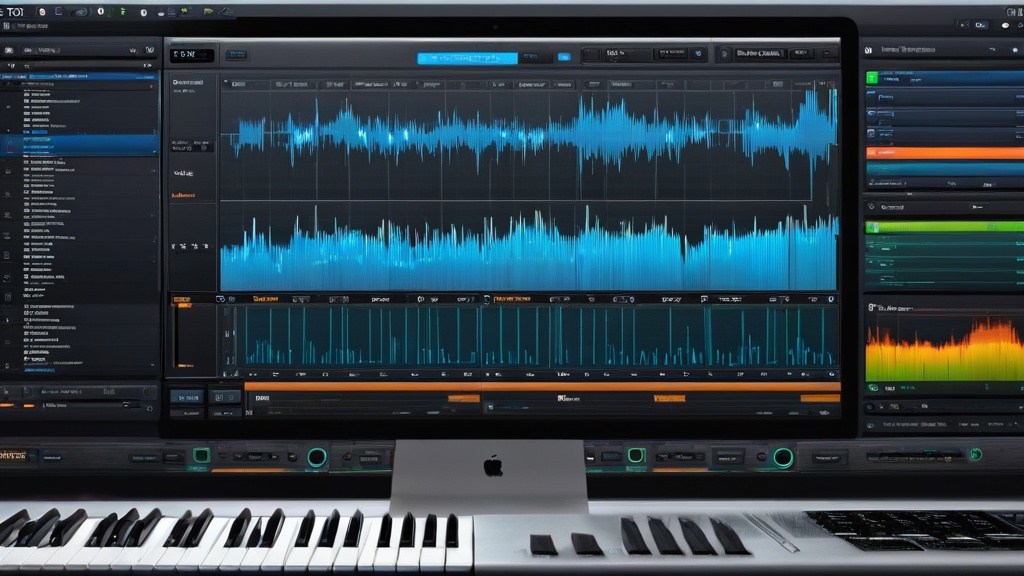
With your own backing track, you decide the chords, the tempo and the style yourself. With software like GarageBand or Ableton Live, you can easily record rhythms and chords and edit them. If you are looking for free programs, check out the best free software for recording guitar.
If you don’t have advanced software, a recording app on your smartphone or tablet works too. First record a basic rhythm or chord progression and then add other instruments, like bass or drums. Live you can also do it with a looper pedal: you record a chord progression and play right over it. Making your own tracks also teaches you a lot about musical structure and composition.
Backing tracks at performances
Backing tracks can also be a nice addition to your live setlist. They work like a full band behind you while you perform solo, which gives your performance more dynamics. Practice the tracks several times before you play them live. That gives you confidence and makes sure you move smoothly from one song to the next, without interruptions. Also read what to do about a broken string during a performance, because a track doesn’t wait for you. If you play online, also read these tips for a guitar livestream performance, so both the backing track and the guitar come through well. If you play with backing tracks for an audience and still get nervous, these tips against stage fright when playing guitar live will help.
Other uses: songwriting and jamming
A backing track is also a good basis for songwriting. Choose a track that inspires you and try to make new melodies or lyrics over it. That way you develop your own style and sound.
You can also use tracks together with other musicians. If you play with a drummer or bass player, you can jam over a backing track to exchange ideas. You can find tips for that in improvising during jam sessions.
Common mistakes with backing tracks
- Only paying attention to technique. Don’t just play the right notes, but also bring emotion and expression into your playing with dynamics and phrasing.
- Choosing tracks that are too difficult. That leads to frustration. Choose tracks that fit your level and make them gradually harder. Slow but steady progress works better than asking too much of yourself.
- Forgetting your own voice. Don’t just play along, but use the track as a springboard for your own musical ideas.
- Ignoring the structure. If you improvise freely without paying attention to the chords, you quickly sound disjointed. First get to know the structure of the song and match your playing to it.
To play along well, it helps to have a grip on the basics of playing guitar. For that you can turn to guitar lessons for beginners: learning the basics. If you then make backing tracks a fixed part of your practice routine, you will notice your timing and improvisation improve quickly.
Frequently asked questions about backing tracks for guitar
What are backing tracks?
Backing tracks are recordings of musical accompaniment without the main part, such as vocals, lead guitar or another lead instrument. They are used to practice or to accompany performances.
How do you use backing tracks to learn guitar?
You play along with the musical accompaniment, first with chords and then with melodies or improvisations. That helps you develop timing, scales, chords and improvisation skills.
Where do you find backing tracks?
On YouTube, in music apps and on websites that offer backing tracks. You can search for specific songs or genres and can often choose from different versions, such as with or without a guitar part.
Are online backing tracks free to use?
Some websites and apps offer free backing tracks, while others charge a fee for access to their full library. It depends on the provider.
What are the benefits of backing tracks?
You practice in a realistic and interactive way, with accompaniment that sounds like a band. They help with listening skills, timing and playing in different musical styles.
Are there backing tracks for beginners and advanced players?
Yes. Beginners can choose simple chord progressions at a relaxed tempo, while advanced players can choose more complex arrangements and higher tempos.
How do you know what key a backing track is in?
The key is usually in the title, for example “blues backing track in A”. If it isn’t listed, listen for the note the song comes to rest on; often that is the first and the last chord. Play that root note along on the low E string and hear whether it fits.
Can you change the tempo of a backing track?
Yes. In many practice apps and in the YouTube settings you can lower the playback speed, for example to 0.75. That way you first practice a difficult passage slowly and then build up the tempo step by step.






Leave a Reply