


There are three types of electric guitars by construction: solid body, semi-hollow and hollow body. Within those, you can recognize five well-known shapes: the Stratocaster, Telecaster and Les Paul types, the SG and the superstrat. Every type makes sound through pickups: magnets with coils that turn the vibrations of the steel strings into an electrical signal, which an amplifier makes audible. Below you can also read how electric guitars work, which brands are well known and what to look for when choosing one.
The History of the Electric Guitar
The electric guitar has a rich and fascinating history that goes back to the early 20th century. In the 1930s, musicians began experimenting with amplifying the sound of the traditional acoustic guitar. This led to the first electric guitars, which used magnetic pickups to turn the vibrations of the strings into electrical signals. One of the first was the Rickenbacker “Frying Pan” from 1932, a lap steel guitar. In 1936, Gibson released the ES-150, which became famous through jazz guitarist Charlie Christian.
These innovations made it possible to play guitars louder, which was essential for the emerging jazz and blues music. In the 1950s and 1960s, a true revolution took place in the music world, partly thanks to the rise of rock ‘n’ roll. Iconic guitarists such as Chuck Berry and Jimi Hendrix used electric guitars to create new sounds and styles. Want to know which techniques and effects made Hendrix so recognizable? Then check out how to play like Jimi Hendrix.
The popularity of the electric guitar grew quickly, and manufacturers such as Fender and Gibson began perfecting their models. This period marked not only the evolution of the guitar itself but also the way music was made and experienced. The first mass-produced solid body came from Fender: the Esquire and Broadcaster from 1950, later called the Telecaster. Gibson followed in 1952 with the Les Paul and Fender in 1954 with the Stratocaster. You can hear how a modern guitarist makes a Stratocaster sound warm and expressive in John Mayer’s guitar style.
Types of Electric Guitars: Solid Body, Semi-Hollow and Hollow Body
There are different types of electric guitars, each with unique characteristics and uses. The most common types are solid body, semi-hollow body and hollow body guitars. Solid body guitars, such as the Fender Stratocaster and Gibson Les Paul, are made of solid wood and offer a powerful sound with plenty of sustain.
These guitars are popular in rock, metal and pop because of their versatility and durability. Semi-hollow body guitars combine elements of both solid body and hollow body models.
They have a solid center block with hollow sides. That gives a warmer, airier sound, while they are less prone to feedback than a fully hollow guitar.
You often find these guitars in jazz and blues. Hollow body guitars are fully hollow and produce a rich, resonant sound that is ideal for genres such as jazz and rockabilly. Each type has its own characteristic sound and playing feel, so musicians can choose based on their personal preferences. If you are unsure about a semi-hollow, read more about semi-acoustic guitars.
| Type | Construction | Sound | Commonly used in | Examples |
|---|---|---|---|---|
| Solid body | Solid wooden body without a sound chamber | Powerful, lots of sustain, little feedback | Rock, metal, pop, blues | Fender Stratocaster and Telecaster, Gibson Les Paul and SG |
| Semi-hollow | Solid center block with hollow sides | Warmer and airier, less feedback than a hollow body | Jazz, blues, rock | Gibson ES-335 |
| Hollow body | Fully hollow sound chamber, often with f-holes | Rich and resonant, prone to feedback at high volume | Jazz, rockabilly | Gibson ES-175, Gretsch hollow bodies |
Well-Known Electric Guitar Shapes
The best-known electric guitar shapes are the Stratocaster type, the Telecaster type, the Les Paul type, the SG and the superstrat. Fender and Gibson came up with the first four, but many other brands build guitars in the same shapes. That is why you find these types in every price range.
| Shape | Features | Pickups | Sound and styles |
|---|---|---|---|
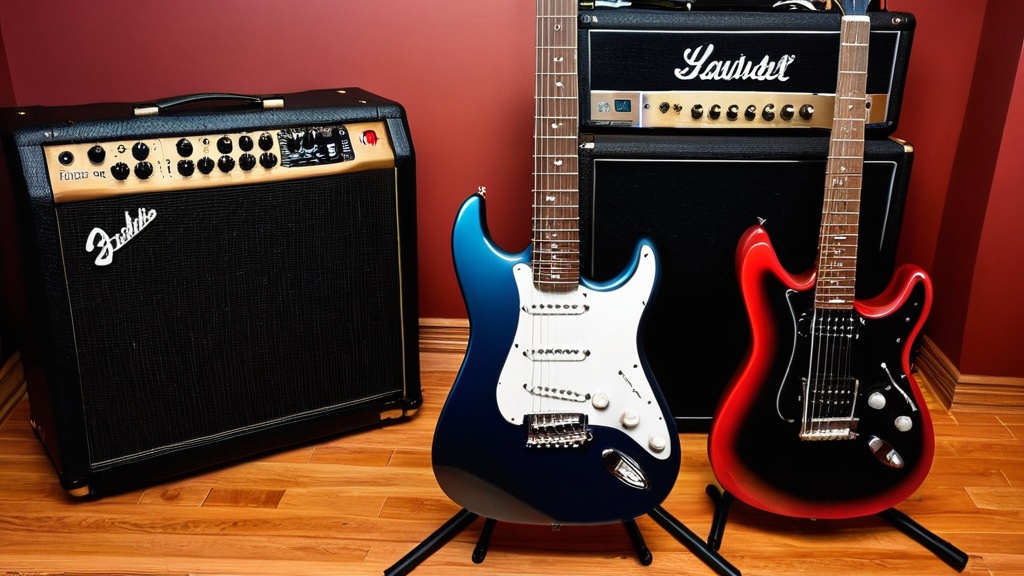
| Stratocaster type (Fender, 1954) | Double cutaway, rounded body, tremolo | Three single-coils | Bright and versatile: pop, blues, rock, funk |
| Telecaster type (Fender, 1950) | Single cutaway, flat body, fixed bridge | Two single-coils | Tight and twangy: country, rock, indie |
| Les Paul type (Gibson, 1952) | Single cutaway, mahogany body with maple top, glued-in neck | Two humbuckers (since 1957, P-90s before that) | Full and warm with lots of sustain: rock, blues, hard rock |
| SG (Gibson, 1961) | Thin body with two sharp horns | Usually two humbuckers | Raw and powerful: rock, hard rock |
| Superstrat (1980s) | Strat-like shape, thin fast neck, often 24 frets and a Floyd Rose tremolo | Often a humbucker at the bridge, sometimes humbuckers only | Lots of gain and speed: hard rock, metal, shred |
You also see more unusual shapes, such as the Gibson Flying V and Explorer, mostly in hard rock and metal. For the sound, the construction (solid, semi-hollow or hollow) and the type of pickup matter more than the shape itself.
Parts of an Electric Guitar

An electric guitar consists of several important parts that together determine its sound and playability. The neck is a crucial part, because that is where the frets are. The frets are metal strips that help determine the pitch when we press down the strings.
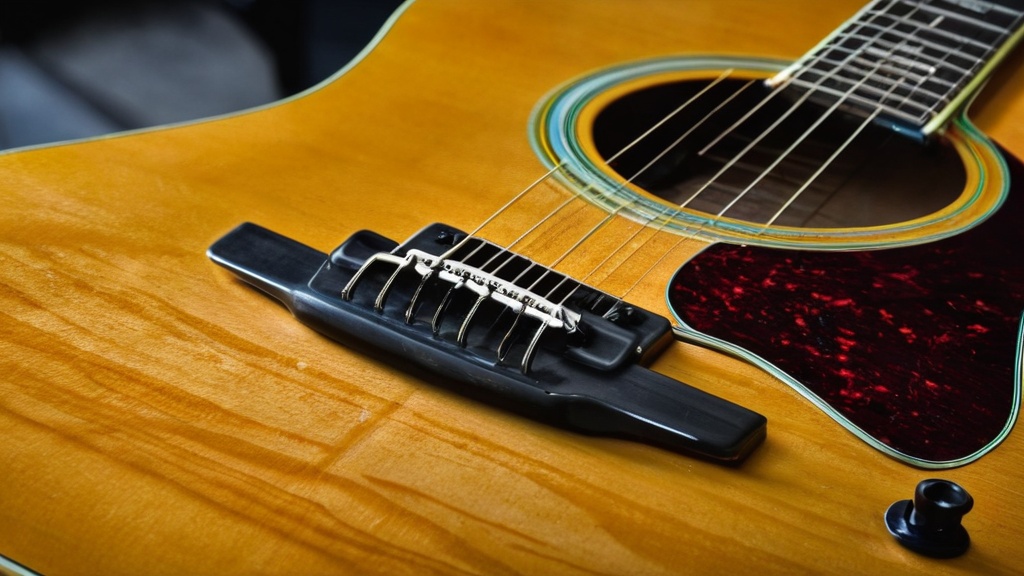
The body of the guitar is the largest part and can have different shapes, depending on the type of guitar. The pickups are essential too; they turn the vibrations of the strings into electrical signals. There are also other important components such as the bridge, which holds the strings in place and helps with the intonation of the guitar.
The tuning machines at the end of the neck let us tune the strings to different pitches. Finally, there is the output jack, where we can plug in a cable to connect the guitar to an amplifier. Every part plays a role in creating the sound we associate with electric guitars.
How Does an Electric Guitar Work?
| Part | Explanation |
|---|---|
| Strings | The strings of an electric guitar are usually made of steel and are set vibrating to produce sound. |
| Pickups | These are electromagnetic devices that pick up the vibrations of the strings and turn them into electrical signals. |
| Amplifier | The electrical signals from the pickups are boosted by an amplifier, which makes the sound audible. |
| Tone control | With the tone control on the guitar or amplifier, you can adjust the tone of the sound. |
| Effects | Some electric guitars and amplifiers have built-in effects such as reverb, distortion and chorus to shape the sound. |
An electric guitar works on the principle of electromagnetism. When we pluck a string, it starts to vibrate. The pickups, which sit under the strings, consist of magnets and coils that pick up these vibrations.
The movement of the metal strings through the magnetic field generates an electrical signal, which is then sent to an amplifier. Once the signal reaches the amplifier, it is boosted so that it becomes audible through speakers. This process makes it possible to apply different sound effects, such as distortion or echo, which adds to the versatility of the electric guitar in different musical styles.
Understanding these basic principles helps us not only with playing the guitar but also with experimenting with sound and effects.
Single-Coil or Humbucker?
The pickups largely determine how an electric guitar sounds. There are two main types:
- Single-coil: one coil, with a bright, tight sound. Typical of the Stratocaster and Telecaster. Downside: single-coils easily pick up hum from nearby devices.
- Humbucker: two coils that cancel each other’s hum. They sound fuller and warmer and have more output, which works well with distortion. Typical of the Gibson Les Paul.
Many guitars combine both, for example a humbucker at the bridge and single-coils in the middle and at the neck. With the pickup selector switch, you choose which pickup you use.
Popular Brands and Models
There are countless brands and models of electric guitars on the market, but a few have distinguished themselves through their quality and influence on music history. Fender is one of the most recognizable brands, with iconic models such as the Stratocaster and Telecaster. These guitars are often praised for their clarity and versatility, which makes them popular with beginners and professional musicians alike.
Gibson is another renowned brand, known for its Les Paul and SG models. These guitars have a rich history in rock music and are often associated with legendary artists such as Slash and Jimmy Page. Besides these two brands, there are other manufacturers such as Ibanez, PRS and Yamaha that offer innovative designs and technologies, giving musicians more choice than ever.
Amplifiers and Effects for Electric Guitars

Amplifiers play a crucial role in the sound we get from an electric guitar. There are different kinds of amplifiers, including tube amps, solid-state amps and digital amps. Tube amps are known for their warm sound and dynamic response, while solid-state amps are often lighter and more reliable. You can read exactly how such an amp works in how a guitar amplifier works.
Digital amps offer a wide range of sound effects and simulations of classic amps. Effects pedals are also essential for many guitarists, because they help create unique sounds. From overdrive to delay and reverb, these pedals can help us personalize our playing style. If you are just starting with pedals, these tips for effects pedals will get you going.
Combining different effects can lead to interesting sound experiments, which lets us express our creativity in our music.
Maintenance and Repair of Electric Guitars

Maintaining an electric guitar is essential to keep it in top condition. Regular cleaning is important; dust and dirt can build up on the strings and neck, which affects playability and sound. We also need to watch the intonation and setup of the guitar to make sure it sounds good in all positions on the neck. How often a setup is needed, you can read in how often to have a guitar set up.
If problems occur, such as broken strings or electronic faults, it is important to deal with them in time. Some repairs we can do ourselves, such as replacing strings or adjusting the neck. For more complex problems, it may be necessary to call in a professional with experience repairing electric guitars.
Tips for Choosing the Right Electric Guitar
When choosing an electric guitar, it is important to take several factors into account. First, we need to think about our playing level and music style. Beginners can benefit from an entry-level model that is affordable but still offers good quality. Which models are suitable, you can read in an electric guitar for beginners.
For advanced players, it can be interesting to invest in a high-end model that offers more possibilities. It is also important to try out different guitars before making a decision. Every guitar has its own feel and sound, so it is essential to see which one suits us best.
We should also pay attention to things like weight, neck profile and type of pickups to make sure we can play comfortably.
Important Accessories for Electric Guitars
Besides the guitar itself, there are several accessories that can help us when playing it. A good gig bag or case is essential for protection during transport. A tuner is also indispensable; well-tuned strings are crucial for a good sound.
In addition, picks in different thicknesses can help us play in different styles. We can also think of high-quality cables to minimize signal loss when connecting to amplifiers or pedals. A guitar strap is handy for playing standing up, while maintenance products such as string cleaner or fretboard conditioner contribute to the lifespan of our guitar. Which guitar strap suits your guitar and how to set its length, you can read in a separate article.
The Influence of Electric Guitars on Music Genres
The electric guitar has had an enormous impact on different music genres over the years. In rock music, this instrument has led to powerful riffs and solos that are characteristic of the genre. Bands such as The Rolling Stones and Led Zeppelin created new sounds with their use of electric guitars that are still influential today.
In blues music, the electric guitar has also played an important role; artists such as B.B. King added new dimensions to the genre with their expressive playing style. The electric guitar has also found its way into genres such as jazz, country and pop, where each style has developed unique techniques and sound effects that continue to inspire us.
Common Mistakes When Playing an Electric Guitar
When learning to play an electric guitar, many beginners make a few common mistakes that can hold back their progress. One is not tuning the guitar properly before we start playing; this can lead to frustration and a lack of motivation. It is crucial to check regularly that our strings are in tune.
Another common mistake is ignoring technique while playing. Poor finger placement or incorrect picking can not only affect our sound but also lead to long-term injuries. It is important to pay attention to our playing technique from the start, to prevent bad habits that are hard to correct as we advance on our musical journey. You can find good basic techniques in playing electric guitar: tips and techniques.
A useful resource for learning electric guitar is the article “Learn to play guitar with online guitar lessons”. This article offers useful tips and techniques for beginners who want to learn to play electric guitar.
Frequently Asked Questions About Electric Guitars
What is an electric guitar?
An electric guitar is a string instrument that produces sound through electrical amplification instead of the resonance of the hollow sound chamber of an acoustic guitar.
How does an electric guitar work?
An electric guitar uses electromagnetic pickups that turn the vibrations of the strings into electrical signals. These signals are then boosted by an amplifier and speaker, which makes the sound audible.
What are the parts of an electric guitar?
Important parts of an electric guitar include the body, neck, fretboard, pickups, bridge, tuning machines and electronics such as potentiometers and switches.
What types of electric guitars are there?
There are different types of electric guitars, including solid body guitars, hollow body guitars and semi-hollow body guitars. There are also various models and brands, each with their own characteristics.
What are the advantages of an electric guitar?
Electric guitars offer advantages such as the ability to amplify, distort and shape the sound with effects, and at high volume they are less prone to feedback than acoustic guitars. Thanks to the thinner strings and lower action, they are also often easier to play. Whether that applies to you too, you can read in the article on how hard an electric guitar is to play.
Do you need an amplifier for an electric guitar?
Yes, without an amplifier you only hear a soft, thin sound from the strings. For home, a small practice amp is enough, or a headphone amp if you want to practice quietly.
Is an electric guitar suitable for beginners?
Yes. Thanks to the thin strings and low action, chords and bends are often easier than on an acoustic guitar. You do need an amplifier and a cable. Also read which is easier: electric or acoustic.
What is the difference between a Stratocaster and a Les Paul?
A Stratocaster has a double cutaway, three single-coils and a scale length of 25.5 inches, which gives a bright, tight sound. A Les Paul has a single cutaway, a heavier mahogany body, two humbuckers and a shorter scale of 24.75 inches. It sounds fuller and warmer and has plenty of sustain.
Which type of electric guitar suits which music style?
For rock, pop and metal you usually choose a solid body; for heavy styles often with humbuckers, such as a Les Paul, SG or superstrat. For blues, funk and country, a Stratocaster or Telecaster is popular. If you mostly play jazz, a semi-hollow or hollow body suits better.




Leave a Reply