
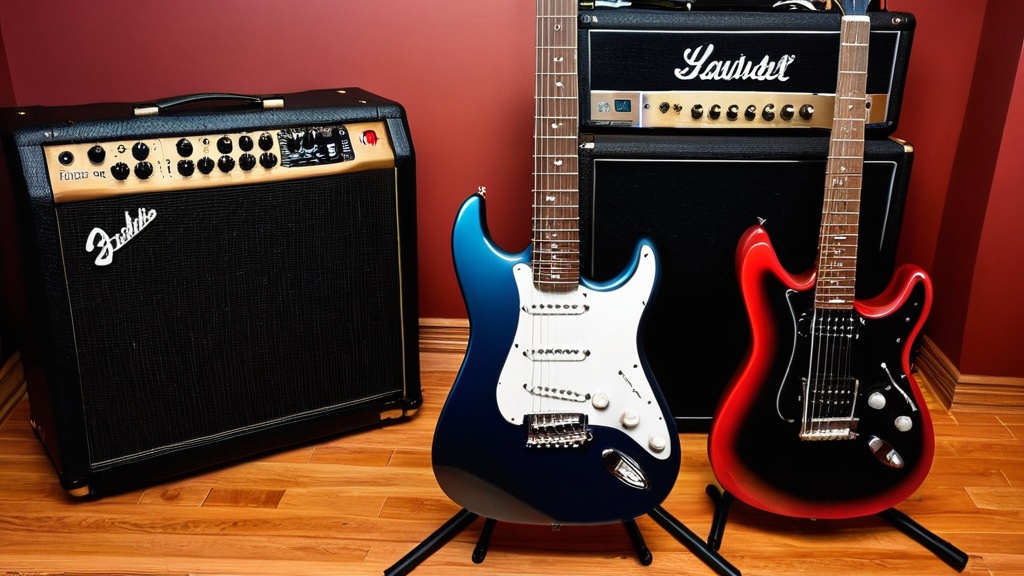

How often should you have a guitar set up? For most guitarists, once a year is enough. If you play a lot or perform, twice a year is a smart move, for example around the change to winter and to summer. You should also get your guitar set up in between if you have a new guitar, switch to a different string gauge, or notice that the strings buzz, the string height changes or the intonation is no longer right.
A guitar setup is a process in which the different parts of the guitar, such as the neck, the bridge and the strings, are adjusted to optimize playability and tone. This is crucial for every guitarist, whatever your level. A well-adjusted guitar lets you play comfortably, keeps the strings in tune up and down the neck and gets the best sound out of your instrument.
When your guitar is not set up well, it can lead to frustration while playing and even to injuries if you unconsciously adopt poor postures to compensate for the problems. A good setup can also extend the life of your guitar. With regular maintenance and adjustments, you prevent bigger problems that might require costly repairs.
So it is not only a matter of enjoying your playing, but also of taking care of your instrument. A guitar that is set up well can noticeably improve your musical experience and help you develop your skills further.
Summary
- A guitar setup means adjusting the string height, intonation and neck relief to improve the playability and tone of the guitar.
- You should have a guitar set up if you notice that playability is getting worse, the strings start to buzz or the intonation is off.
- You can check for yourself whether your guitar needs a setup by checking the string height, intonation and neck relief and by listening for unwanted noises.
- Signs that your guitar needs a setup include high string height, inaccurate intonation, fret buzz and a bowed neck.
- It is recommended to have a professional guitar setup done at least once a year.
- You can set up a guitar yourself, but it is advisable to bring in a professional for a precise setup.
- The cost of a guitar setup varies, but it is generally an affordable investment that is worth it for better playability and tone.
- Between setups, it is important to maintain the guitar well by changing the strings regularly, checking the neck and keeping the guitar clean.
What Happens During a Setup?
- Neck relief: the slight curve of the neck is adjusted with the truss rod inside the neck.
- String height: the height of the strings above the frets is adjusted at the bridge and, if needed, at the nut.
- Intonation: the length of each string is adjusted at the bridge so that the guitar also sounds in tune higher up the neck.
- Frets and hardware: the technician checks whether any frets stick out or are worn, and whether the tuning machines and any electronics work properly.
When Should You Have a Guitar Set Up?
There are several moments when you should consider having your guitar set up. One of the most obvious reasons is when you have just bought a new guitar. New guitars are often not yet perfectly adjusted, because they still need to settle in.
It is wise to have a professional setup done after a few weeks of playing to make sure everything is optimal. There are other situations, too, in which a setup may be needed. For example, if you notice that the strings are hard to play or you regularly struggle with poor intonation.
Changes in temperature and humidity can also affect the setup of your guitar. If you play in a different environment or the season changes, you may need to have your guitar adjusted again. It is important to stay alert to these signals and act in time. A stable storage spot prevents many of these problems; see how to protect your guitar from moisture. What to watch for during the heating season is covered in the tips for guitar maintenance in winter. The same swings are also a major reason why a guitar keeps going out of tune.
How Can You Check Whether Your Guitar Needs a Setup?

There are several ways to check for yourself whether your guitar needs a setup. A simple method is to look at the neck of the guitar. Hold the guitar in a comfortable playing position and see whether the neck is straight.
A handy check: press down the low E string at the first fret and at the fret where the neck joins the body at the same time. Around the seventh to ninth fret, there should be a very small gap between string and fret. If the string lies flat on the fret there, or if the gap is large, the neck relief is not right. A slight curve is normal, but if the neck bows too much, it can point to a problem that calls for a setup. You can also pay attention to the strings.
If you notice that some strings are harder to play than others, or that they do not intonate well, this can also indicate that a setup is needed. Another handy test is to play chords at different positions on the neck and listen for any irregularities in the sound. If certain notes do not sound right, or there is a difference in volume between strings, it is time to think about a setup.
What Are the Signs That Your Guitar Needs a Setup?
There are several clear signs that your guitar needs a setup. One of the most common signals is discomfort while playing. If you have to use more force to press the strings down, or you feel pain in your fingers or hands, this can point to a problem with the action of the strings. If you still have trouble after the setup, see how to prevent finger pain when learning guitar.
A high action means the strings sit farther from the neck, which makes playing harder. Another sign is the sound of your guitar. If you notice that certain notes do not sound right, or that the pitch differs between frets, this can point to an intonation problem.
This means that even if your guitar is in tune, it still does not sound right when you play. That can be frustrating and can take away some of the fun of playing your instrument.
How Often Should You Have a Professional Guitar Setup Done?
How often you should have a professional guitar setup done depends on several factors, such as how often you play and under what conditions. For active guitarists who perform regularly or practice a lot, it can be advisable to have a professional setup done at least once a year. This makes sure any wear or changes in the guitar are dealt with in time.
For less active players, a setup every few years may be enough, especially if there are no obvious problems with the instrument. Still, it is always good to stay alert to any changes in playability or sound, and not to wait until big problems arise before you act. Regular maintenance can help keep your guitar in top condition.
Can You Set Up a Guitar Yourself, or Should You Always Bring in a Professional?
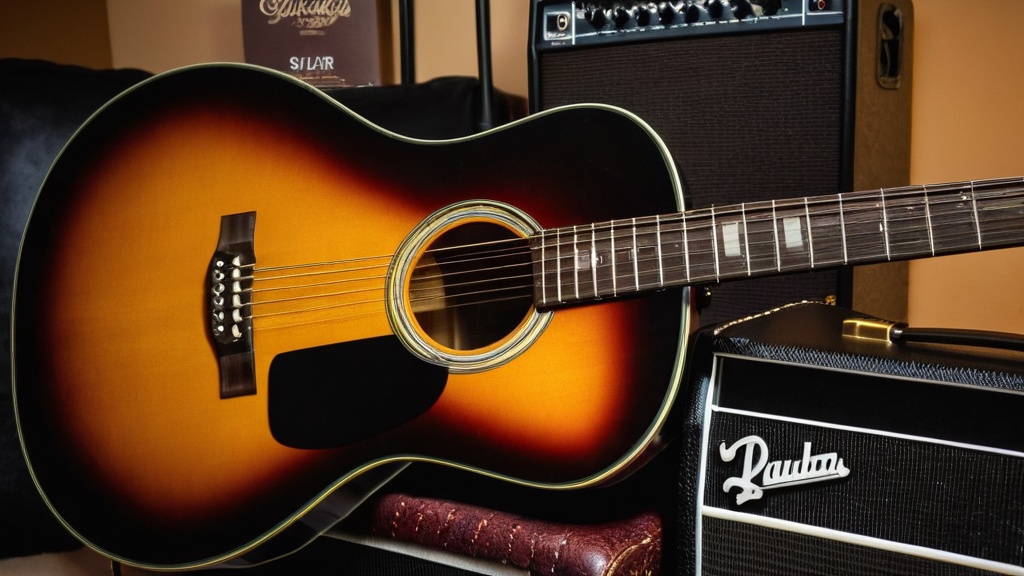
It is possible to set up a guitar yourself, especially if you have some experience with the instrument and know what to look for. There are many online resources and tutorials that can help you with the process of doing it yourself. For example, you can learn how to adjust the action of the strings, how to check the intonation and how to adjust the neck relief with the truss rod.
However, if you are not sure what you are doing or have no experience setting up guitars, it is often better to bring in a professional. An experienced guitar technician has not only the right knowledge and skills, but also the right tools to make sure everything is adjusted perfectly. This can be especially important for complex adjustments or for valuable instruments where mistakes can be costly.
What Does a Guitar Setup Cost, and Is It Worth the Investment?
The cost of a professional guitar setup can vary depending on where you live and which services are offered. As a rough indication, a standard setup often costs somewhere between 50 and 100 euros, but that can go up if extra work is needed, such as replacing strings or repairing other parts. Although this may seem like a considerable expense, it is important to realize that a good setup is essential for both enjoying your playing and preserving your instrument.
The investment in a professional setup is often more than worth it, especially if you are serious about making music. A well-adjusted guitar will not only sound better but also be easier to play, which leads to more fun while playing and faster learning. Regular maintenance can also help prevent bigger problems in the future, which can save money in the end.
Tips for Maintaining Your Guitar Between Setups
Between setups, there are several things you can do to keep your guitar in top condition. An important tip is to clean the strings regularly and replace them when needed. Oily fingers and dirt can build up on the strings and affect both sound and playability. How often replacing them is necessary is covered in how often you should change guitar strings. If you hear a scraping or squeaking sound while playing, see what you can do about squeaky guitar strings.
Keeping them clean extends their life and gives you a better sound. It is also important to pay attention to the environment your guitar is in. Extreme temperatures and humidity can damage wooden instruments. How to clean the rest of your guitar safely is explained in cleaning your guitar without damaging it.
Try to store your guitar in a stable spot, away from direct sunlight or damp rooms. Using a good guitar case or gig bag can also help prevent damage from outside factors. By applying these simple maintenance tips, you can make sure your guitar is always ready to play and that any problems are noticed in time before they get worse.
This will not only add to your enjoyment of playing, but also to the life of your instrument.
A setup lasts longest if your guitar is kept in a stable climate afterward. Big swings in humidity are the main reason the neck and string height drift again. Keep the humidity around 45 to 55 percent, and do not leave your guitar next to a heater or in a cold car.
Frequently asked questions about getting a guitar set up
How often should you have a guitar set up?
It is advisable to have a guitar set up at least once a year. It may be needed more often if the guitar is played a lot, for example with intensive use or when the humidity changes.
What does a guitar setup involve?
During a guitar setup, several parts are checked and adjusted to keep the guitar easy to play. This can include adjusting the neck, the bridge, the nut and the intonation.
Why is it important to have a guitar set up regularly?
A well-adjusted guitar is more comfortable to play and sounds better. Regular setups can prevent problems such as fret buzz, intonation problems and uncomfortable playability.
Can I set up my guitar myself?
Simple things like the string height at the bridge or the intonation you can adjust yourself with a little guidance. Turning the truss rod, working on the nut or leveling frets is better left to a guitar technician or luthier, because a mistake can cause permanent damage.
Does a new guitar need a setup too?
Often it does. A new guitar still has to get used to the climate in your home and is not always perfectly adjusted when it leaves the store or factory. A setup after the first few weeks often makes it a lot more pleasant to play.
Do I need to have my guitar set up again if I use different strings?
Yes, if you switch to a different string gauge. Thicker or thinner strings change the tension on the neck, so the neck relief, string height and intonation shift. If you are unsure which strings to choose, read which guitar strings are best for beginners.






Leave a Reply