
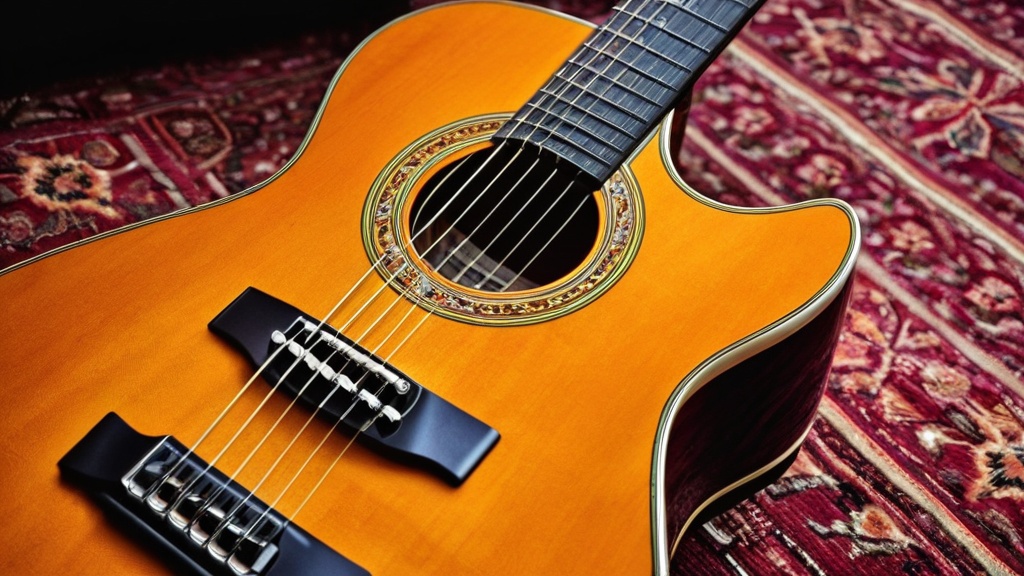

Which is easier: an electric or an acoustic guitar? Purely in terms of playing, an electric guitar is easier: the strings are thinner, they sit lower above the neck and you don’t have to press as hard. An acoustic guitar, on the other hand, is easier to start with, because you don’t need an amp, cable or settings. Which of the two is easiest for you depends mostly on the music you want to play and on where you practice.
If you choose acoustic, see how to learn acoustic guitar for free as a beginner. If you choose electric, this overview of tips and techniques for learning electric guitar will get you started.
Summary
- An electric guitar plays more lightly thanks to thinner strings, lower string tension and a slimmer neck.
- An acoustic guitar is simpler to use: pick it up and play, with no amp or effects.
- Acoustic sounds warm and natural; electric is more versatile thanks to pickups, an amp and effects.
- An electric guitar costs more at the start, because you also need an amp and a cable.
- An acoustic guitar is more sensitive to humidity, while an electric guitar has electronics that may need attention.
- The easiest guitar is the one that fits the music you want to play, because then you keep practicing.
Acoustic or electric: the differences at a glance
| Aspect | Acoustic guitar | Electric guitar |
|---|---|---|
| Strings | Thicker, higher tension | Thinner, lower tension |
| Neck | Often fuller | Often slimmer |
| Fingertips | More sore at first | Less pressure needed |
| What do you need? | Just the guitar | Guitar, amp and cable |
| Quiet practice | Difficult, always audible | Possible with headphones |
| Sound | Warm and full, without power | Versatile thanks to amp and effects |
| Maintenance | Watch the humidity | Watch the electronics |
| Taking it along | Bigger, but no extra gear | More compact, often heavier, plus an amp |
Playability: strings, neck and fingers
For beginners, playability is often the deciding factor. An electric guitar usually has thinner strings (the thinnest string is often .009 or .010) than an acoustic steel-string guitar (often .011 or .012). The string tension is lower and the strings usually sit closer to the fretboard, known as low action. So you need less force to press a string down properly. The neck is also slimmer on many electric guitars, which makes it easier to grab chords and single notes.
On an acoustic guitar the strings are thicker and tighter, and the neck can feel fuller. That makes your fingertips hurt more in the first weeks and makes quick chord changes harder. You can read how to limit that in preventing finger pain when learning guitar. Still, many musicians swear by the acoustic guitar, precisely because it forces you to work on your technique. You build finger strength, and if you switch later, you notice how lightly an electric guitar plays.
A well set up guitar, whatever the type, is always easier to play. You need less effort to hit the right notes and have more fun while playing. Action that is too high makes any instrument hard work, so have a new or secondhand guitar checked. Also read how often you should have a guitar set up.
Looking for softer strings? A classical guitar with nylon strings is friendlier to your fingertips, but has a wider neck. We explain the difference between nylon and steel strings separately.
Learning curve: what works better for beginners?
Acoustic guitars are often seen as more accessible for newcomers, because they are simple to use and need no extra equipment. You can start quickly with chords and simple melodies, and that feeling of progress motivates you to keep going.
An electric guitar involves more: an amp, knobs for volume and tone, and maybe effects pedals. Beginners can get overwhelmed by all those options, which can lead to frustration instead of fun. So keep it simple: a small practice amp with a clean or slightly distorted sound is enough. You can read how such an amp works in how a guitar amp works for beginners. And are you wondering whether the electric guitar is hard to play? Physically, it’s actually not.
Every guitarist has their own pace. Give yourself enough time to learn and grow, whichever guitar you choose.
Sound and music styles
On an acoustic guitar, the sound comes from the resonance of the wooden body. The strings vibrate, the air in the body moves along with them, and that gives a warm, full tone that is hard to imitate with electronics. That sound blends nicely with vocals, which is why you see acoustic guitars a lot in folk, country, singer-songwriter and acoustic pop, and at intimate gigs and living-room concerts. Blues is also played a lot on acoustic.
An electric guitar depends on pickups and an amp. With the right amp and pedals you can go from clear, sparkling tones to heavy, distorted riffs, and with effects like reverb, delay and distortion you color your sound further. That makes electric a good fit for rock, metal, blues and jazz, where powerful riffs and solos take center stage. If you mainly want to play metal, this guide to playing Metallica on guitar covers the techniques and gear that go with it. You can read more about pickups and body shapes in everything you need to know about electric guitars.
Which guitar sounds better has no fixed answer. Experiment with different instruments and settings, and choose the guitar that sounds like the music you want to make.
Volume, quiet practice and performing
An acoustic guitar has its own volume thanks to the body and sounds fine in a small room without amplification. In a larger venue, outdoors or together with a drummer, you do need a microphone or an acoustic amp. With the right equipment you still keep the natural sound.
An electric guitar can get much louder through an amp, and you easily adjust the volume to the room, from a small club to a large stage. That makes electric handy for band rehearsals and gigs. The reverse is just as handy: without an amp an electric guitar sounds quiet, and with headphones on your amp you can practice without anyone hearing you. You’ll find more ideas in practicing guitar quietly without disturbing the neighbors.
Maintenance and costs

An acoustic guitar without a built-in pickup has no electronics, so you don’t have to deal with crackling pots or a bad connection. Tuning regularly, putting on new strings now and then and keeping the neck and fretboard clean is usually enough. Do watch the humidity: a wooden body is sensitive to air that is too dry or too humid. Also check the bridge pins now and then. Ready for a new set? You can read which ones to buy in types of guitar strings.
A solid-body electric guitar is less sensitive to moisture, but it does have electronics that may need attention: pickups, pots and the jack. You also adjust the neck and bridge now and then, so the guitar keeps playing well. As an electric guitarist, that costs you a bit more time and sometimes money.
When it comes to costs, mainly the start differs. An acoustic guitar is ready to play right after you buy it. An electric guitar sometimes seems cheaper, but you also need an amp, a cable and possibly pedals, which raises the total cost. Good acoustic guitars can be expensive too, depending on brand, materials and quality, but it is often an investment that lasts for years. So look at the complete package and at what you’ll spend on maintenance and accessories in the long run, so you don’t get any surprises.
Portability
You can take an acoustic guitar anywhere without dragging extra equipment along: in the car, on your bike or to a campfire. That makes it attractive for singer-songwriters and street musicians. A solid-body electric guitar is more compact, but often heavier, and without an amp you hear very little. There are small practice amps and headphone amps that make it easier to take an electric guitar on the road. So think about how often you go out with your instrument.
Which guitar suits you?
In the end, the choice comes down to personal preference and comfort. There is no “right” choice: what matters is that you feel connected to your instrument and that it inspires you to keep practicing. A rule of thumb:
- Choose acoustic if you mainly want to accompany songs with vocals, want to be able to play anywhere and don’t want the hassle of equipment.
- Choose electric if you want to play rock, metal, blues or funk, quickly get sore fingertips or often need to practice quietly.
- Not sure? Choose the guitar that sounds like the music that makes you happy. You can always switch later, because you take your chords and technique with you.
Try both types in a music store before you buy, talk to other musicians and ask for advice. That way you feel which playability suits you best. What to look for when buying, you can read in buying an acoustic guitar: what to look for. You’ll find a broader overview in the best guitar to learn on.
Frequently asked questions about electric or acoustic guitar
What is the difference between an electric and an acoustic guitar?
An electric guitar has pickups that convert the vibration of the strings into a signal, which you hear through an amp. An acoustic guitar has a hollow body that amplifies the sound of the strings itself, so you don’t need power.
Which guitar is easier to learn to play?
That depends on your preference and playing style. In general, an electric guitar is easier to play because of the lighter strings and the lower action (the distance between the strings and the frets). Others find an acoustic guitar easier, because you just have to pick it up to play and because of its natural sound.
Which guitar is better for beginners?
An acoustic guitar is often recommended, because it needs no amp, is portable and builds your finger strength and technique when forming chords. If you mainly want to play rock or metal, an electric guitar is just as good a choice for a beginner.
Which guitar is better for different music styles?
An electric guitar often goes with rock, metal, blues and jazz, because you can amplify and distort the sound with effects. Acoustic guitars are widely used in folk, country, singer-songwriter and acoustic pop music.
What are the costs of an electric versus an acoustic guitar?
An electric guitar is usually more expensive at the start, because you also need an amp and a cable. Acoustic guitars can be expensive too, though, depending on brand, materials and quality.
What are the main differences in maintenance between an electric and an acoustic guitar?
With an electric guitar you watch the electronics, such as pickups and pots, and you adjust the bridge and neck now and then. With an acoustic guitar you mainly watch the body: the right humidity and the condition of the bridge pins.
Can you easily switch from acoustic to electric later?
Yes. Chords, rhythms and the notes on the neck are the same on both guitars. If you switch from acoustic to electric, you mainly notice that the strings play more lightly; the other way around, you need to get used to thicker strings and more pressure.
Is a classical guitar with nylon strings a good alternative?
For many beginners, yes. Nylon strings are softer on your fingertips, but the neck is wider, so some chord shapes require more of a stretch. A classical guitar is mainly suited to classical, Spanish and Latin music and to fingerpicking.






Leave a Reply