
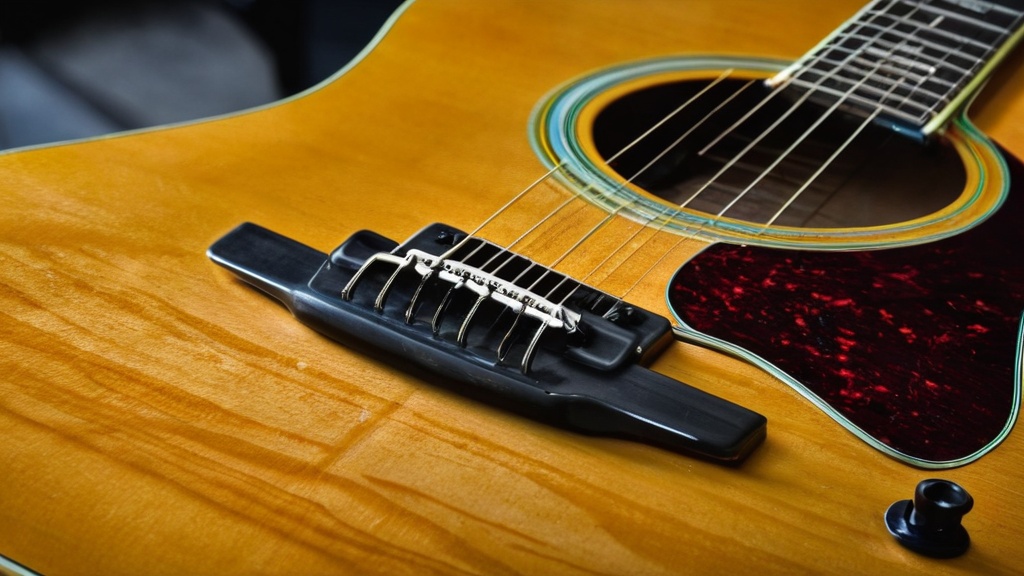

How do you repair small scratches on your guitar? Superficial scratches in a gloss finish can be buffed out with a fine polish and a soft cloth; deeper scratches can be filled in or repaired by a guitar tech. First work out how deep the scratch is and what finish your guitar has, because a matte finish or a vintage guitar calls for a different approach than a modern high-gloss guitar.
Small scratches on a guitar are often unavoidable, especially if you use the guitar regularly. These scratches can come from several things, such as touching the guitar with sharp objects, putting the guitar down on a rough surface or even from playing itself. Although they may look small, these imperfections can affect the look of your instrument and in some cases even lower its value.
It is important to understand that not all scratches are equal; some are superficial and easy to repair, while others can be deeper and need more attention. Recognizing how serious the scratches are is crucial. Superficial scratches can often be removed with a bit of polish, while deeper scratches may need a more involved approach.
It is also good to know that your guitar’s finish, such as high gloss or satin, can affect how the scratches look and how they are best treated. By taking good care of your guitar and dealing with small scratches in time, you can preserve the lifespan and beauty of your instrument.
Summary
- Small scratches on a guitar are superficial damage to the guitar’s finish that can affect the look of the instrument.
- Supplies for repairing small scratches on a guitar include sandpaper, polish and a cloth.
- A step-by-step guide to repairing small scratches on a guitar covers cleaning the surface, sanding the scratches and polishing the finish.
- Tips for preventing scratches on a guitar include using a gig bag and regular maintenance of the finish.
- It is wise to call in professional help for scratches on a guitar when the damage goes deeper than just the finish.
How deep is the scratch?
- Hairline scratches and swirls: only visible in raking light, and your fingernail doesn’t catch in them. You can usually buff these out yourself.
- Scratches your fingernail catches in: these go deeper into the finish. Polishing makes them less visible, but often the only way to get rid of them completely is to fill them in.
- Scratches down to the wood or flaking finish: have a guitar tech repair these, especially on an acoustic guitar or a valuable instrument.
Finish cracks are different from scratches. They often come from big temperature differences, for example when you take a cold guitar out of its case too quickly; read more about that in the tips for guitar maintenance in winter.
Supplies for repairing small scratches on a guitar
Before you start repairing small scratches on your guitar, it is important to have the right supplies at hand. A good start is a soft, clean cloth that doesn’t leave lint behind. This is essential to avoid causing more scratches while cleaning or polishing. The fretboard and frets need their own approach; you can read about that in cleaning the fretboard and frets.
You also need a special guitar polish that suits the finish of your instrument. Avoid harsh cleaning products that can damage the finish. Besides the cloth and the polish, it can be handy to have a few other tools within reach.
A fine sandpaper or a polishing pad can be useful for deeper scratches, but use them with care to avoid doing more damage. If you are dealing with a lacquered guitar, a wax or a special guitar wax can also help restore the shine and prevent future scratches. Make sure you have everything you need together before you start, so you don’t have to stop halfway through.
Step-by-step guide to repairing small scratches on a guitar
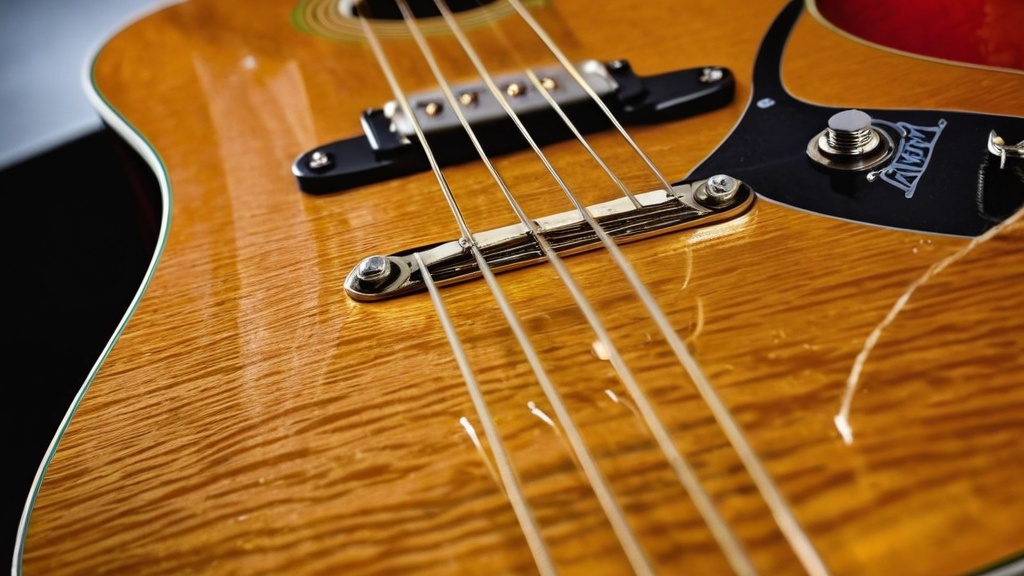
To repair small scratches on your guitar effectively, follow this step-by-step guide. Start by thoroughly cleaning the surface of the guitar. Use a soft cloth and a suitable cleaning product to remove dust and dirt. You can read how to do that without making new scratches in cleaning your guitar without damaging it.
This makes sure no contaminants get into the scratch while you repair it. Be careful around the scratches and don’t use aggressive pressure. Once you have cleaned the guitar, inspect the scratches closely.
For superficial scratches, you can put a little polish on a clean cloth and gently rub it over the scratch in circular motions. This helps fade the scratch and restore the shine of the finish. For deeper scratches in a thick gloss finish, some guitarists work very carefully with very fine wet sandpaper, for example 2000 grit or finer. If your guitar has a matte or satin finish, don’t polish: that creates shiny spots instead.
Sand only the finish around the scratch, with minimal pressure, and stop well before you go through the layer of finish. If you are unsure about the thickness of the finish, leave this to a tech. After sanding, you can polish again to smooth the surface.
Tips for preventing scratches on a guitar
Preventing scratches on your guitar is often easier than repairing them. One of the best ways to do this is to always use a good gig bag or case when you aren’t playing your instrument. This protects not only against dust and dirt, but also against bumps and scratches that can happen during transport.
Make sure your guitar is stored properly and not lying near sharp objects or rough surfaces. It is also important to be aware of where and how you play. For example, avoid playing in places where you can easily trip or where other people nearby could accidentally bump into your guitar. Watch out for your belt buckle, zipper or jewelry too: they easily scratch the back of your guitar. Also choose a guitar strap that fits well, so your guitar doesn’t swing into things.
Using a guitar stand can also help keep your instrument safe and stable when you aren’t playing it. By taking these simple precautions, you can avoid many common causes of scratches. A stand is also on the list of things you need to learn guitar at home, along with a tuner, picks and a gig bag.
When should you call in professional help for scratches on a guitar?
Although many small scratches can be repaired yourself, there are situations where it is wise to call in professional help. If you notice the scratch is deep or there is visible damage to the finish or the wood, it can point to a problem that goes beyond what you can fix yourself. Professional luthiers have the experience and knowledge to assess and repair this kind of damage correctly without further complications. If your guitar is going to the workshop anyway, have the setup checked at the same time.
Also, if you are not sure about your own skills or are afraid you will do more damage while repairing, it is always better to get help. A professional can not only repair the scratch, but also give advice on how to prevent future damage and how to keep your guitar in top condition. Calling in an expert can in some cases also save money, because wrong repairs can end up costing more.
Alternative methods for repairing scratches on a guitar
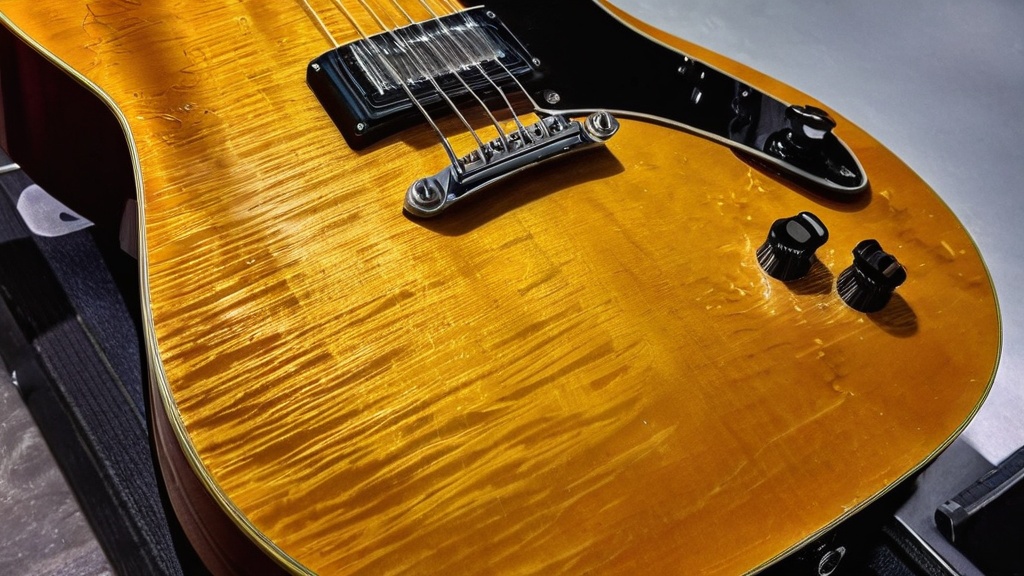
Besides traditional methods for repairing scratches, there are also alternative techniques that some musicians use. A popular method is using special fillers designed for woodworking. These fillers can help fill deeper scratches and so create a smoother surface.
It is important, however, to make sure the color of the filler matches your guitar, so the result looks natural. For small chips in the finish, techs often use thin layers of lacquer or super glue, which they sand flat and polish after curing. Another method is guitar wax to make superficial scratches less visible; kitchen oil such as olive oil masks a scratch only briefly and leaves a greasy layer behind. By putting a small amount of wax on a cloth and rubbing it over the scratch, the shine can be restored and the scratch can become less noticeable.
Keep in mind, though, that these methods are not always as effective as professional repairs and may not be suitable for all types of finishes.
Common mistakes when repairing scratches on a guitar
When repairing scratches on a guitar, there are several common mistakes you should avoid. One is using harsh cleaning products or abrasives that can damage your guitar’s finish. It is crucial to choose products made specifically for use on musical instruments to prevent irreparable damage.
Another common mistake is not cleaning the guitar properly before you start repairing. If dirt or dust stays in the scratch, it can lead to further damage during polishing or sanding. Always start with a clean surface and be careful with every step you take.
Finally, patience is essential; don’t try to rush through the process, because that can lead to sloppy results.
Maintenance tips for keeping a scratch-free guitar
To keep your guitar in top condition and free of scratches, regular maintenance is essential. Start with regular cleaning; use a soft cloth after every playing session to remove sweat, dirt and fingerprints. This prevents dirt from building up and helps preserve the finish.
It is also important to store your guitar in a safe place when it isn’t in use. Always use a good gig bag or case and make sure it isn’t kept in direct sunlight or in humid conditions. By applying these simple maintenance tips, you can make sure your guitar looks beautiful for years and keeps performing at its best.
You can prevent many scratches by storing your guitar properly and not letting it lean against a table or amp. You will find ideas for that in the best ways to store your guitar at home.
Frequently asked questions about scratches on a guitar
What are small scratches on a guitar?
Small scratches on a guitar are superficial damage to the finish or surface of the guitar. They can come from normal use, such as putting the guitar down or using the wrong pick.
How do small scratches on a guitar happen?
Small scratches on a guitar can come from friction, contact with rough surfaces, or from using sharp objects near the guitar.
How can I repair small scratches on a guitar?
Small scratches on a guitar can be repaired using special polishes and finish repair kits. It is important to work carefully and use the right products to prevent further damage.
Is it possible to repair small scratches on a guitar yourself?
Yes, it is possible to repair small scratches on a guitar yourself. With the right products and techniques, small scratches can be effectively removed or reduced.
Should I seek professional help for repairing small scratches on my guitar?
If you doubt your own skills or if the scratches are deeper than superficial, it is wise to call in professional help for repairing small scratches on your guitar. An experienced guitar tech can offer the right solution and prevent further damage.
Can I buff out scratches on a matte guitar?
Hardly. Polishing makes a matte or satin finish shiny in spots, which makes the spot stand out even more. Leave small scratches alone or ask a tech for advice.
Does a pickguard help against scratches?
Yes. On an acoustic guitar, a pickguard protects the top from scratches from your pick and fingernails. For guitars without a pickguard, there are clear, self-adhesive ones.




Leave a Reply