
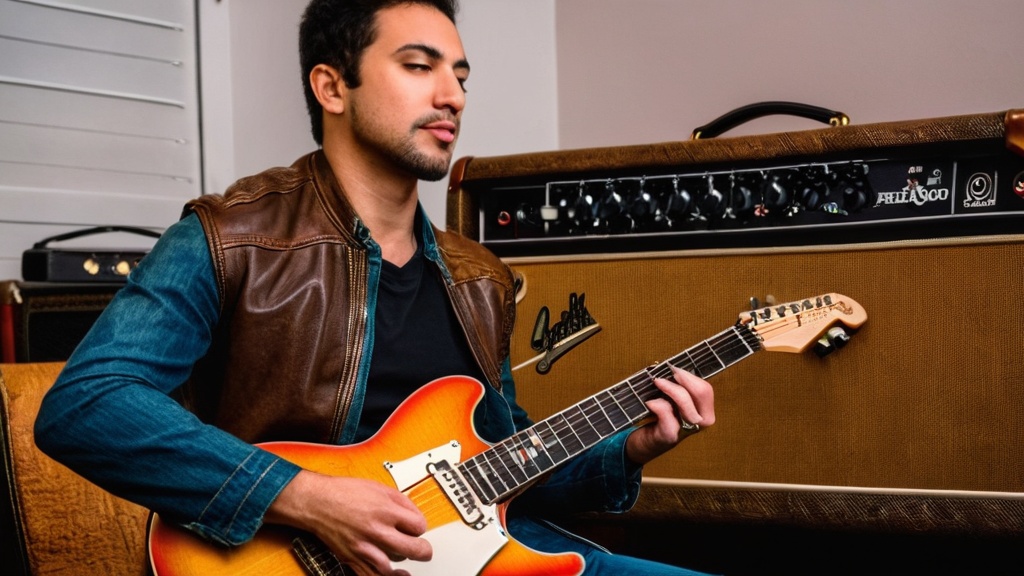

What do you need to learn guitar at home? A guitar that suits you, a tuner, a few picks and a way to learn, such as lessons, an online course or tutorials. A guitar stand, spare strings and a fixed practice spot also make it a lot easier to play a little every day. If you choose an electric guitar, you also need an amplifier. Below you will read what to look for in each item. If you play acoustic, you will find a comparison of platforms in the best online courses for acoustic guitar.
Summary: your checklist
- A guitar that fits your playing style, level and build
- A tuner (clip-on, digital or an app)
- A few picks in different thicknesses
- Guitar lessons, an online course or tutorials to build your skills
- Basic knowledge of guitar chords and tablature so you can play songs
- A guitar strap, a stand and a case to play comfortably and store your guitar safely
- Spare strings and possibly a capo
- An amplifier if you play electric, depending on your playing style and practice space
- Optional: learning to read music to play pieces accurately
- A suitable practice space, patience and perseverance
Choosing the right guitar
When you decide to learn guitar, the first step is choosing the right guitar. The type of guitar affects your playing experience and your motivation. The choice can be overwhelming, because there are acoustic (steel-string), classical (nylon-string) and electric guitars. Each kind has its own sound and feel. If you are torn between nylon and steel, read about the difference between nylon and steel strings.
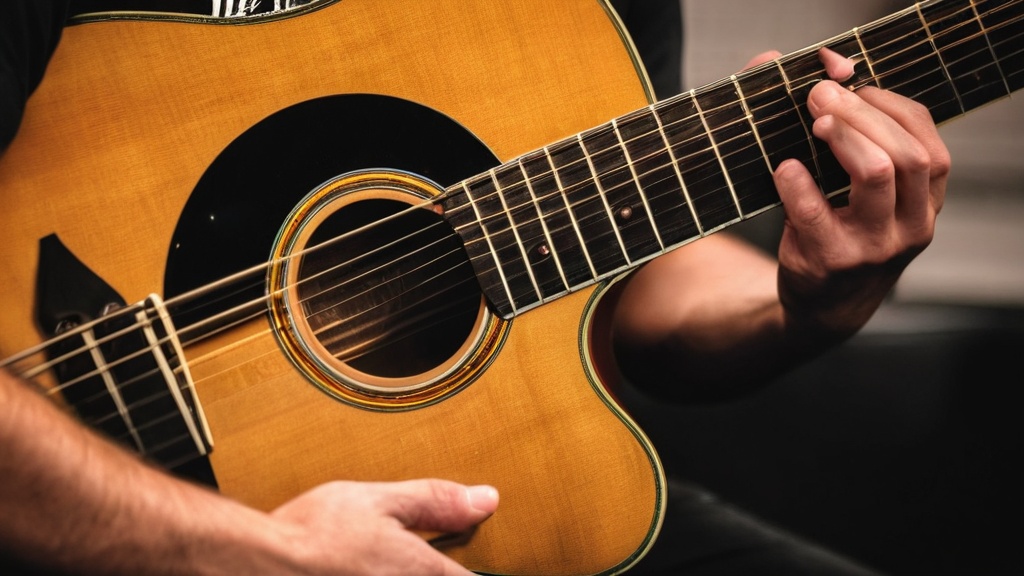
Acoustic guitars are often a good choice for beginners, because they do not require extra equipment and you can start playing right away. They are versatile and suit many styles, from folk to pop and rock. If you choose acoustic, our free beginner’s guide to acoustic guitar helps you with posture, first chords and tabs.
An electric guitar offers more possibilities for sound effects and amplification. That is attractive if you mainly want to play rock, pop or metal. If you go electric, also read how to learn to play electric guitar.
Also pay attention to size and weight. Guitars come in different sizes and it is important that your instrument feels comfortable. If you have a smaller build, a 3/4-size guitar or a parlor guitar may suit you better. If you are buying a guitar for a child, use the table in choosing the right guitar size for children.
Try the guitar in the store before you make a decision. Feel how it sits in your hands and listen to the sound. Compare different models and brands and ask experienced musicians or salespeople for advice. If it is going to be an acoustic guitar, this buying guide for acoustic guitars explains how to judge size, wood and action. In the end, you choose a guitar that not only sounds good but also feels good.
Tuner
A well-tuned guitar is the foundation of a pleasant playing experience. That is why a tuner is indispensable for every guitarist, whether you are just starting out or already advanced. There are different kinds: simple clip-on models and digital tuners with more features.
You clamp a clip-on tuner onto the headstock of your guitar and it quickly detects the pitch. Digital tuners are often accurate and have extra features. There are also smartphone apps that help you tune. They are user-friendly and can often handle other instruments or alternate tunings too. In the explanation of tuning a guitar with a tuner you can read step by step how that works.
Whichever type you choose: tune your guitar every time before you start playing. That increases your enjoyment and trains your ear, because you learn to listen better to the sound of the notes.
Picks
Besides a tuner, picks are handy accessories. They come in different shapes, sizes, thicknesses and materials, and the choice can make a big difference to your playing style and sound. A thin pick often feels good for strumming, while a thicker pick gives more control for solos. Try a few to find out what suits you; which thicknesses are suitable is covered in the article on the best pick for beginners.
A pick is not required. Some guitarists prefer fingerpicking, where they strike the strings with their fingers.
Guitar lessons or online tutorials

If you want to get serious, you choose between guitar lessons with a teacher or music school and online tutorials. Traditional lessons offer personal guidance and direct feedback from an experienced teacher. That helps you develop good technique and correct mistakes before they become habits. You can ask questions, practice specific techniques under guidance and get lessons tailored to your goals. That personal contact is motivating and makes sure you practice regularly.
Online tutorials are more flexible and accessible. There are countless platforms and YouTube channels with free or paid lessons, from single videos to structured courses. You work at your own pace and practice whenever it suits you, which is handy with a busy schedule. Do use reliable sources and track your progress yourself.
Both options have advantages. Choose what suits your learning style and above all make sure you practice regularly and challenge yourself with new techniques and songs.
Guitar chords and tablature
One of the first things you learn is chords. They form the basis of many songs and are needed to accompany vocals or other instruments. With common chords such as C, G, D and E you can play simple songs quickly. Practice changing between chords regularly, so you play smoothly without long pauses.
You will also come across tablature, a popular way of writing down guitar music. Tablature is easier for beginners than traditional notation: it shows which string you strike and which fret you press. That way you learn new songs quickly without extensive knowledge of music theory. In reading guitar tabs, step by step you learn how to decipher a tab. By combining chords and tablature, you build a broader repertoire.
Guitar strap, stand and case
If you play for long stretches or ever want to perform, think about a guitar strap and a stand. With a good strap you play comfortably when standing, which is handy at performances or jam sessions with friends. There are many styles and materials, so choose one that fits well and gives enough support.
A guitar stand is a valuable investment. Your guitar then does not lie on the floor or in an unsafe spot, is less likely to get damaged and is always within reach. That extends the life of your instrument and invites you to play more often. A guitar case protects your instrument when you take it along or store it for a longer time. You will find more tips in the best ways to store your guitar at home.
Strings and capo
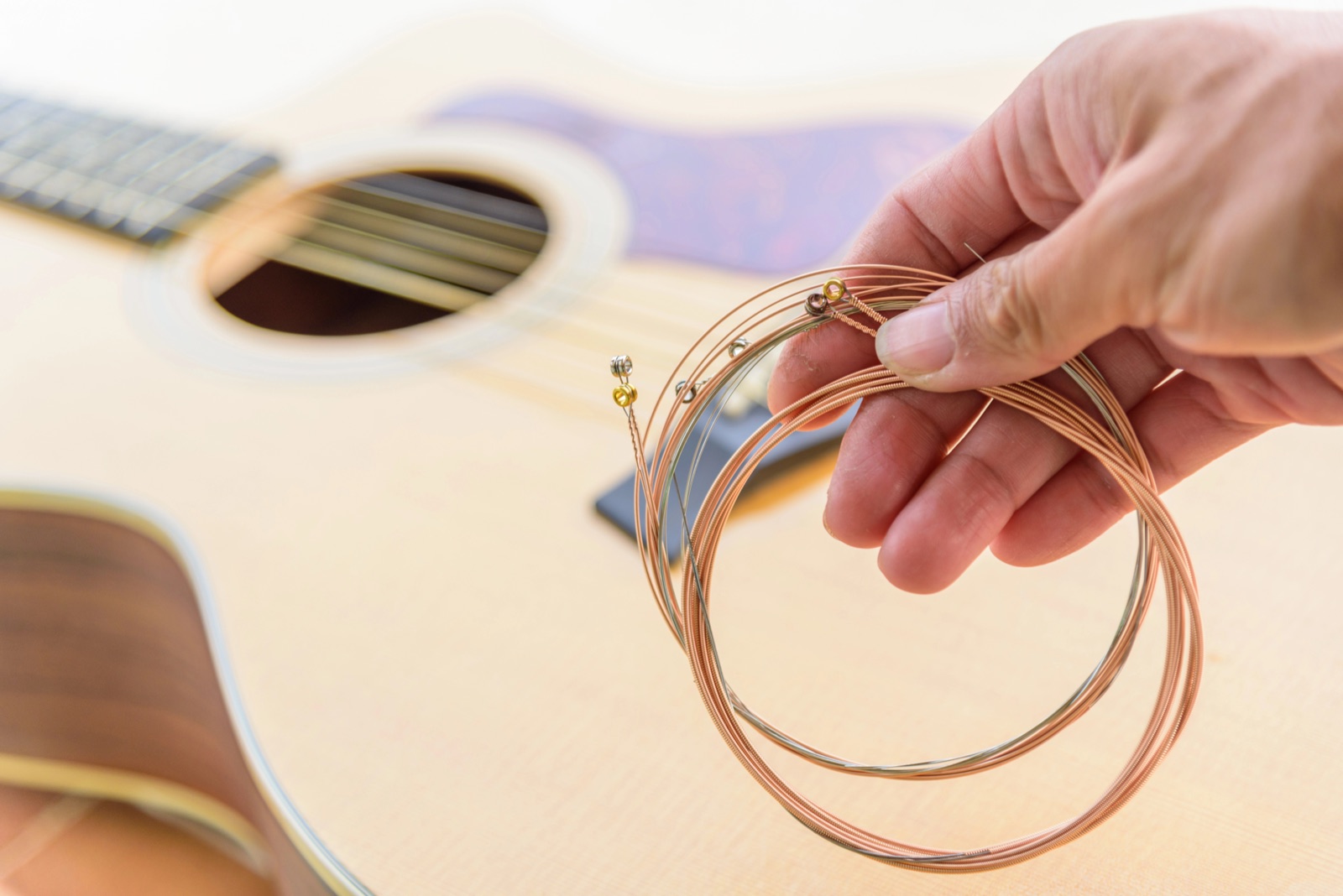
A good set of strings is important for the sound of your guitar. Strings differ in thickness and material, and that affects tone and playability. There are also coated strings, which often last longer. Replace your strings regularly, especially if you play a lot. Which strings are pleasant to start with is covered in which guitar strings are best for beginners.
A capo is handy if you want to play a song in a different key without learning other chord shapes. You clamp it onto a fret and play the same shapes higher up the neck. That also makes it easier to play along with songs on the radio.
Guitar amplifier (for an electric guitar)
If you have chosen an electric guitar, an amplifier is the next step. An amplifier determines not only how loud you play, but also the quality of your sound. Many amplifiers have effects such as reverb, delay and distortion. There are small combo amplifiers and larger tube amplifiers that are often used on stage. How such a device works is covered in how a guitar amplifier works.
When choosing, think about where and how often you play. For home, a compact combo amplifier with low wattage is usually enough, and that way you avoid bothering housemates or neighbors. If you play in a band or perform, you need a more powerful amplifier that delivers more volume without losing sound quality. You will find more ways to practice without disturbing your neighbors in a separate article.
There are also digital options that imitate various amplifier models, so you do not have to buy several physical amplifiers. That is handy if you are just starting out and do not yet know which sound you are looking for. Experiment with settings and effects to find your own tone.
Learning to read music (optional)
Many guitarists work mainly with chords and tablature, but reading music is a valuable addition. It gives you access to more pieces of music and more insight into music theory. Whether it is really necessary is covered in is learning to read music necessary to play guitar.
Start with the basic notes on the guitar neck and how they correspond to the notes on the staff. There are many resources made especially for guitarists. Practice regularly with simple melodies, and reading gets faster and faster while you gain more confidence in your playing.
Practice space
A comfortable and inspiring practice space makes a big difference. Make sure you have a spot where you can practice undisturbed, with enough room for yourself and your instrument. That can be a separate room, but also a corner of the living room where your guitar is ready.
Set up the space so that you feel like playing. Hang posters of your favorite artists or albums, provide good lighting and keep your accessories within reach, so you do not have to keep getting up. A tidy practice spot helps your focus and creates a pleasant atmosphere. If you want to build up your space further, see how to set up a home studio as a guitarist.
Motivation, patience and perseverance
Learning guitar takes perseverance. Especially at the start you do not always see the results you hope for right away, and there will be moments when you get frustrated. See that as a normal part of the learning process: every guitarist was once a beginner.
Set realistic goals, such as learning a new chord or playing a simple song without mistakes. Listen to music that inspires you or play with friends who also make music. Sharing experiences with others is fun and motivating.
Patience is at least as important. Do not expect to master everything within a few weeks. Take the time to get each technique down properly before you start on harder songs or styles. Schedule fixed practice moments: short daily sessions often work better than one long session a week. An effective guitar practice schedule helps you keep up that regularity. Give yourself room to make mistakes, and you will notice that your skills grow step by step and that playing gets more and more fun.
Once you have the basics in place and want to develop your playing further, you will find practical exercises you can also simply do at home in Learn Guitar Techniques with These Handy Tips.
Frequently asked questions about learning guitar at home
What do you need to learn guitar at home?
To learn guitar at home you need an acoustic, classical or electric guitar, a tuner, a few picks, a guitar strap, learning material or guitar lessons and above all perseverance. If you play electric, you also need an amplifier.
Can you learn guitar at home without a teacher?
Yes, with online tutorials, a course or a good lesson book you can get a long way. A teacher does spot mistakes in your posture and technique sooner. That is why some guitarists combine self-study with an occasional lesson.
Can you practice an electric guitar without an amplifier?
You can hear an electric guitar without an amplifier, but very quietly and without the real sound. For home you can also use a small practice amplifier or a headphone amplifier, so you do not disturb others.




Leave a Reply