


Learning guitar as an adult works best with a clear goal, short but daily practice sessions and a fixed order: first the basic chords, then smooth changes and rhythm, then songs you love to hear. Choose a guitar that is comfortable to play, watch your posture and get help from a teacher or good online lessons if you get stuck. Below you will find the tips for adults learning guitar that make the most difference in practice.
Summary
- Decide why you want to play: a clear goal keeps you motivated.
- Choose a guitar that fits your style of music and your build.
- Practice a little every day rather than occasionally for a long time, and stick to a fixed schedule.
- Start with basic chords and then add scales and reading music.
- Keep a relaxed posture to prevent aches and pains.
- Use online lessons or find a guitar teacher who suits you.
- Play along with music and give yourself time.
Motivation and discipline
Motivation is the fuel that keeps you practicing, even on days when you don’t feel like it. So ask yourself why you want to learn guitar. Do you want to play your favorite songs, sing along around a campfire or express yourself creatively? The more concrete your goal, the easier it is to get through the tough weeks.
Discipline makes sure you keep practicing when your motivation dips for a while. That is especially hard at the start, because progress feels slow then. A fixed routine helps: practice at a set time of day and give each session a small goal. Celebrate small wins, like a chord that suddenly sounds clean. The more you practice, the better you get, and the more you will want to keep going. You can find more ideas in the article on staying motivated while learning guitar.
Choose a guitar that suits you
The range of guitars is huge, so start with the music you want to play. For acoustic music and singing along, an acoustic guitar is the obvious choice. If you are more into rock or pop, an electric guitar may suit you better. A semi-acoustic guitar sits in between and is versatile if you want to explore different styles; read more about the semi-acoustic guitar as a mix of both.
Also pay attention to the size: a smaller guitar can be more comfortable for people with smaller hands. A well-made guitar not only sounds better, it is also easier to play. Try out a few guitars in a music store and notice how they feel and sound. A high price doesn’t always say something about quality; affordable guitars can also play very well. If you want to know what to look for when it comes to budget, read how much a good beginner guitar costs.
Structure and planning
Without a plan, it is hard to know where to start. So make a schedule that guides you step by step through the learning process. Pick specific exercises or songs to work on, and also plan time for technique and a bit of theory. With a clear structure you stay focused while practicing. Need help setting one up? See how to make an effective guitar practice schedule.
Also keep a log of your progress. It gives you insight into what you have already learned and motivates you when you look back at how far you have come. Work with short, achievable goals instead of trying to learn everything at once. That way the learning process feels less overwhelming.
Practice regularly and repeat
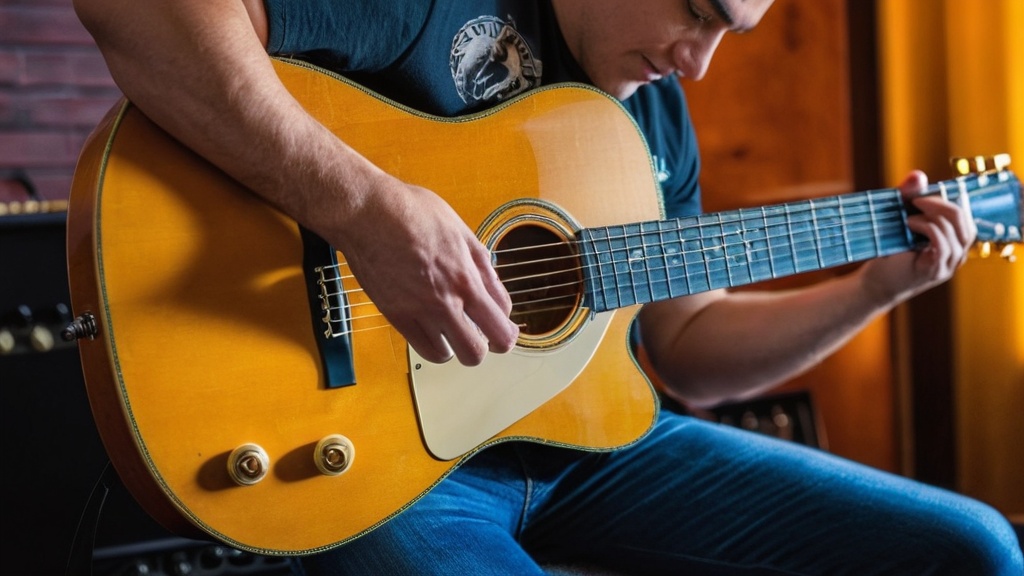
Picking up your guitar once in a while is not enough: regularity is the key to progress. Make time every day, even if it is only 15 to 30 minutes. By repeating often you build muscle memory, so your fingers increasingly find the right positions by themselves. You can read how to organize such a short session in practice in learning guitar fast with short practice sessions.
Don’t just practice mechanically, but pay conscious attention to what you are doing. Listen to the sound and hear where it can be better. Play difficult passages more slowly until they go smoothly, and challenge yourself now and then with a new technique or style. Variety in your practice sessions keeps it interesting. Practicing regularly also helps against frustration: you gradually notice that you are getting better, and that is motivating.
Start with basic chords
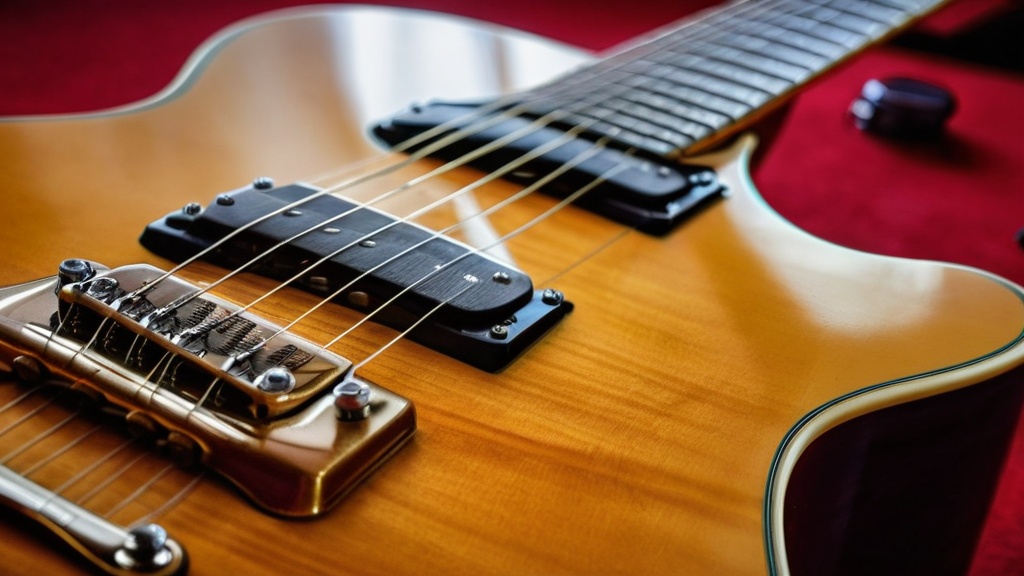
Basic chords form the foundation of a huge number of songs. Start with the chords that come up most often: C (x32010), G (320003), D (xx0232), A (x02220) and E (022100). With them you learn not only the technique, but also get a feel for how music is put together. And you can soon play a few of your favorite songs, which gives you a lot of confidence. If you don’t know where to start, choose the E major chord on guitar as your first chord.
Finding the right fingering and moving smoothly from one chord to another is hard at first. That is normal. Practice each chord on its own before you start switching, and use a metronome to develop a sense of timing. You can find targeted exercises in the tips for switching guitar chords faster. The more often you play the chords, the more natural they feel and the faster and more precisely you play them.
Scales as the next step
Once the basic chords work, you can explore more advanced chords and variations. Scales are a good addition here: they help you understand melodies and make your own. By practicing scales you develop your technique and learn how music is built. Start with the major and minor scales and play them in different positions on the neck. That way you get a better grip on music theory and become more creative in your playing.
Learn to read music (or tabs)
Many guitarists stick to chords and tablature, and you can get far with that. Reading music does open up extra possibilities, though: you understand music on a deeper level and gain access to a wider repertoire. Start with note values, time signatures and the notes on the guitar neck. If you doubt whether you need it, read whether learning to read music is necessary to play guitar.
You can learn to read music through online courses, books or apps for guitarists. If you are unsure which app to choose, compare the best guitar apps for beginners and advanced players. Try out different approaches and see what suits you. Practicing together or joining a music community also helps: there you can ask questions and get feedback.
Pay attention to good posture
Good posture is important for comfort and technique. If you don’t sit or stand properly, tension builds up in your hands, shoulders and back, which can cause problems in the long run. Sit upright and relaxed, and hold the guitar so you can reach all the strings without forcing it. You can read exactly how this works in how to hold a guitar with good posture.
When you sit relaxed, you can concentrate better on chords and melodies. Try out different positions and take a short break regularly while practicing to release tension.
Use online resources and lessons
There are countless online resources that help you learn guitar, from YouTube tutorials to complete online courses. They are often free or affordable, and you follow them at your own pace. That is handy if there is no teacher nearby or if you prefer to learn on your own.
Online you can also easily try out different styles, such as blues, rock or folk, without being tied to one method. Do be critical of quality: choose instructors with good reviews and a clear lesson structure.
Find a good guitar teacher
A good guitar teacher can make a big difference. An experienced teacher teaches you technique, gives insight into music theory and style, and spots mistakes you miss yourself. That direct feedback is motivating and helps you progress faster. When choosing, look at experience and teaching style: the approach should fit your learning goals and taste in music.
A teacher also helps you set realistic goals and makes a lesson plan that fits your level, from specific songs to technique or improvisation. Say clearly what you want to achieve and what you are running into. Take the time to find a teacher you click with. If you are torn between private lessons, a music school or learning online, compare the options for guitar lessons for adults.
Listen to music and play along
One of the most fun ways to learn is to listen to music and play along. It trains your ear and lets you hear how chords and melodies come together in a song. Choose songs you like that fit your level. Start simple and work up to more complex pieces. Pay attention to rhythm and dynamics, so your timing gets better.
Also try playing with other musicians. Whether it’s a jam session with friends or a local music group: playing together improves your timing and ensemble playing, and it is hugely inspiring.
Be patient and keep going

Learning guitar takes time. Don’t expect to be able to do everything after a few weeks. Some chords stay difficult for a while, and there will be moments when you think you aren’t making progress. That is normal: every musician was a beginner once, and progress often comes gradually.
Besides patience, you need perseverance, especially in the moments when you don’t feel like it or doubt yourself. Give yourself room to make mistakes, keep your expectations realistic and be proud of what you have already achieved. Look for support from friends or other musicians who are learning too; together you keep each other motivated. That way playing guitar stays mostly fun, without unnecessary pressure.
Frequently asked questions about learning guitar as an adult
What are some handy tips for adults learning to play guitar?
Handy tips include finding a good teacher or online course, practicing regularly, learning chords and scales and listening to different kinds of music for inspiration.
Is it possible to learn guitar as an adult?
Yes, definitely. It takes dedication, patience and regular practice, but with the right approach and motivation anyone can learn guitar, regardless of age.
What are common challenges for adults who want to learn guitar?
Many adults run into too little time to practice, self-doubt and the physical side of playing guitar, such as building up enough hand and finger strength.
What kind of guitar is best for adults to start with?
An acoustic guitar is often recommended, because you don’t need an amp or other extra equipment for it. Which type fits best depends mainly on the style of music you want to play.
Are there specific techniques that help adults learn guitar?
Yes. Think of the right posture and hand position, developing timing and rhythm, and training your fingers to play chords and melodies.
How do you stay motivated while learning guitar as an adult?
Set realistic goals, reward yourself for progress, look for other musicians to play with and regularly listen to music that inspires you.
How much should you practice as an adult to make progress?
Regularity matters more than length. Practicing with focus for 15 to 30 minutes a day gets you more than one long session a week, because your fingers and memory then keep moving a step further.
Is it normal for your fingertips to hurt when you start?
Yes, at the start your fingertips often hurt, until some calluses form. Keep your sessions short, don’t press the strings harder than necessary and rest if it really hurts. You can read more tips in how to prevent finger pain when learning guitar.




Leave a Reply