
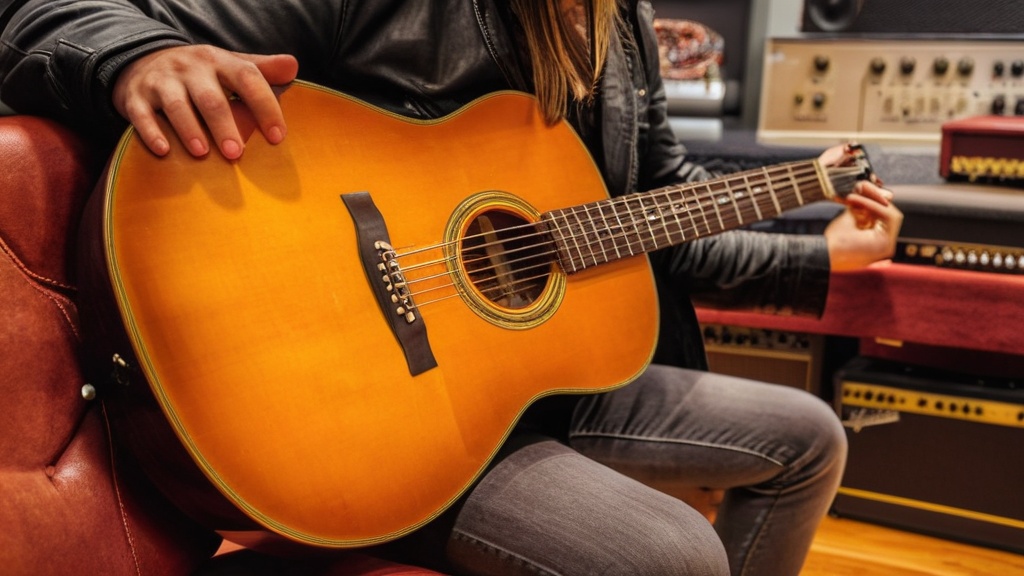

How do you start guitar as an absolute beginner? Choose a guitar that feels comfortable, tune it well and first learn a few simple chords such as Em, C, G and D. Then practice 15 to 30 minutes every day and pay attention to your posture from the start. Below you will read step by step how to get started on guitar as an absolute beginner, from choosing your instrument to a steady practice routine.
Choosing the Right Guitar
When you are just starting out on guitar, choosing the right one can seem like an overwhelming task. There are so many different kinds of guitars on the market, from acoustic to electric, and each type has its own unique characteristics. It is important to consider what kind of music you want to play, because that affects your choice.
Acoustic guitars are often ideal for folk, pop and singer-songwriter music, while electric guitars suit rock, blues and jazz better. Take the time to try different models in a music store. Feel how the guitar sits in your hands and listen to the sound it produces.
It is also crucial to consider the size of the guitar. For beginners, especially children, a smaller guitar, such as a ¾ or ½ size, can be easier to handle. Make sure you choose a guitar that feels comfortable and lets you move freely.
Don’t forget that the right guitar is not only a matter of sound, but also of enjoyment. A guitar that feels and sounds good will motivate you to practice more often and improve your skills. Once you have your guitar, tune it before every practice session. You can read how that works in the article about tuning a guitar with a tuner.
Summary
- Choose a guitar that fits your body size and taste in music as a beginner
- Learn the basic chords such as A, E, D and C so you can start playing
- Understand how guitar tabs and notes work so you can play songs
- Practice good playing posture to prevent injuries and play comfortably
- Train your fingers and hand strength regularly to play smoothly
- Develop a practice routine that fits your schedule and goals as a guitarist
- Use online tutorials and lessons to learn new techniques
- Find fellow beginners to practice with and learn from each other
Learning the Basic Chords
Once you have chosen your guitar, it is time to learn the basic chords. These chords are the foundation of many songs and are essential for every guitarist. Start with the most common chords such as C, G, D, A and E.
These chords are not only easy to play, they also appear often in popular music. It is handy to keep a chord diagram nearby so you can see where to place your fingers. Practicing these chords can be a bit challenging at first, especially if your fingers are not yet used to the strings.
Take the time to play each chord slowly and carefully. Also try practicing the transitions between the chords; this will help you play smoother changes when you start playing songs. It is normal for things to feel stiff at first, but with patience and perseverance you will notice you keep getting better.
You read the chord shapes below from the low E string to the high e string. An x means you don’t play that string, a 0 is an open string and a number is the fret you press:
- Em: 022000
- E: 022100
- A: x02220
- D: xx0232
- C: x32010
- G: 320003
Start with Em and E: they only need two or three fingers. You will find a detailed explanation in the article about your first chord on guitar.
Understanding Guitar Tabs and Notes

An important part of playing guitar is understanding guitar tabs and notes. Guitar tabs are a simple way of reading music designed especially for guitarists. Instead of notes on a staff, you see lines that represent the strings of the guitar and numbers that show which fret to press.
This makes it more accessible for beginners who are not yet familiar with traditional music notation. Besides tabs, it is also useful to understand basic notation. This can help you read sheet music and understand musical structures.
Although it may seem daunting, there are many resources available to help you learn to read notes. By learning both tabs and notes, you expand your musical knowledge and skills, which will ultimately help you become a more versatile guitarist. You can find out exactly how to read a tab in the explanation of reading guitar tabs, step by step.
Practicing Good Playing Posture
Good playing posture is crucial for both comfort and technique while playing guitar. When you start playing, it is important to sit or stand upright with a relaxed posture. This not only helps prevent injuries, but also lets you move and play better. You can read how to hold the guitar sitting and standing in the article about good posture with your guitar.
Make sure your guitar is at a height where you can easily reach the strings without your shoulders or neck feeling tense. It is also important to pay attention to how you place your hands and fingers. Your fingers should be curved when you play chords, so they don’t press against other strings. If that is hard because you have wide fingertips, take a look at the tips for playing guitar with thick fingers.
This can feel a bit uncomfortable at first, but with the right posture and technique you will notice you get more control over your playing. Take breaks regularly while practicing to make sure you don’t build up tension in your hands or arms.
Training Your Fingers and Hand Strength
Developing finger strength and dexterity is essential for every guitarist, especially beginners. Your fingers need to be strong enough to press the strings down properly without causing pain or discomfort. There are various exercises you can do to improve your finger strength.
A popular exercise is playing chromatic scale patterns, where you place each finger on a different fret as you move up and down the neck of the guitar. You can also use fingerpicking exercises to build not only strength but also coordination between both hands. This will help not only with playing chords, but also with solos and melodies.
Don’t forget that consistency is important; by spending a few minutes on these exercises every day, you will make progress quickly. You will find more exercises in the article about developing finger strength for playing guitar.
Developing a Good Practice Routine

A structured practice routine can make a world of difference in your progress as a guitarist. Start by setting specific goals for each practice session. These can range from learning new chords to perfecting a song you enjoy.
By setting clear goals, you keep yourself motivated and focused while practicing. Also try to add variety to your routine. This not only keeps things interesting, but also helps develop different skills.
For example, you can start by practicing chords, followed by finger training, and finish by playing a song you enjoy. Don’t forget to take breaks regularly; this helps prevent fatigue and keeps your mind fresh. If you want to develop this further, use the tips for an effective guitar practice schedule.
Using Online Tutorials and Lessons
In the digital age, there are countless online resources that can help beginners learn to play guitar. From YouTube tutorials to structured online courses, there is something for everyone. These platforms often offer step-by-step instructions that are visually appealing and easy to follow. You can read how to turn separate videos into a real learning path in learning guitar with YouTube.
This can be especially useful if you struggle with certain techniques or songs. You can also consider joining online forums or social media groups where other beginners get together to exchange tips and experiences. This can be not only motivating, but also a great way to make new friends who share the same passion.
By using these online resources, you can keep challenging and inspiring yourself while you develop your guitar skills.
Finding Fellow Beginners to Practice With
One of the most fun ways to make progress on guitar is to practice with others. Look for fellow beginners in your area or join local music groups or clubs. Practicing together can be not only motivating, but also a great way to exchange new techniques and songs.
If there are no local groups available, consider connecting online with other beginners through social media or forums. You can even organize virtual jam sessions where you play together over video chat platforms. This kind of interaction can contribute enormously to your development as a musician and keeps learning fun. If you are going to play together, these tips for playing with other guitarists will help.
By following these steps and immersing yourself in the world of guitar, you will notice your skills improving quickly. Stay patient and enjoy the process; every step you take brings you closer to your musical goals!
If you are just starting out on guitar and are looking for ways to improve your skills, it is important to know that there are many resources available to get you going. A useful article that can help you on your guitar journey is How to play guitar for beginners: tips and tricks. This article offers valuable insights and practical tips designed especially for beginners. It covers essential techniques and gives advice on how to improve your guitar playing, so you can start your musical adventure with confidence.
Frequently asked questions about getting started with guitar
What do I need to start playing guitar as an absolute beginner?
To start playing guitar you need an acoustic or electric guitar, a guitar strap, a pick and a tuner. It is also handy to have learning material or online tutorials to learn the basics of playing guitar.
Do I need to be able to read music to start playing guitar?
No, you don’t need to be able to read music to start playing guitar. Many guitarists learn to play from chord charts and tablature, which is a simpler form of music notation.
Is it better to teach yourself or take lessons?
It is advisable to take lessons from an experienced guitar teacher at the start, or to use online lessons. This helps you learn the right techniques and avoid bad habits. Later you can choose to continue learning on your own. If you are considering lessons, guitar lessons with personal guidance show what a teacher can do for you. What you can expect from such a teacher is described in this article about private guitar lessons.
How often should I practice as a beginner?
As a beginner it is advisable to practice at least 15 to 30 minutes every day. Regular practice helps you get the basic skills down and improve your finger strength and coordination.
What are the most important basic chords to learn as a beginner?
As a beginner, the chords E, A, D, G, C and Em are important to learn. These chords form the basis for many popular songs and help you get used to placing your fingers on the guitar neck.
Which guitar is best for an absolute beginner?
That depends mostly on the music you want to play. An acoustic guitar is handy for pop, folk and sing-alongs, while an electric guitar suits rock and blues better. Above all, choose a guitar that feels comfortable and is set up well, so the strings are easy to press down.
Is it normal for my fingertips to hurt at first?
Yes, in the first weeks your fingertips often hurt a bit because they are not yet used to the strings. By practicing briefly and regularly they get tougher and the pain fades. If you have sharp or persistent pain, take a rest.





Leave a Reply