

Playing together with other guitarists works best when you are both well in tune, keep the same tempo and each take your own role. Let one guitarist play chords while the other plays a riff, a melody or the same chords higher up the neck. That way you complement each other instead of drowning each other out.
Practical Tips for Playing Together
- Both tune with a tuner. Before you start, tune to the same reference (A = 440 Hz) and check the tuning again after a few songs. A clip-on tuner is handy for this.
- Count in together and hold the tempo. Practice at home with a metronome or drum loop, so you get used to the same tempo. See learning guitar with a metronome.
- Divide the roles. Agree per song who plays the chords and who plays the riff, melody or solo. Feel free to swap those roles for each verse and chorus.
- Choose different positions. If one of you plays G, C and D in open position, the other can use a capo on the 5th fret and play the shapes D, G and A. That sounds like the same chords, but higher. Read more about using a capo.
- Play different rhythms. Let one play full strums and the other pick or play only short accents. That way both guitars stay audible.
- Leave space. Play softer or fewer notes when the other plays a solo or melody. At a jam session it works the same way, so also read how to improvise during jam sessions.
Communication and Teamwork
Communication and teamwork are the foundations of every successful musical group. When you make music with others, it is essential that everyone is on the same wavelength. This means not only understanding each other in terms of musical ideas, but also being open to feedback and suggestions.
Good communication helps prevent misunderstandings and makes sure everyone feels heard. This creates a positive atmosphere in which creativity can flourish. Teamwork is also crucial for reaching a shared goal.
Whether you form a band or work with other musicians, it is important to recognize and use each other’s strengths. By working together, you can combine ideas and explore new musical directions that you might not have reached alone. It is this synergy that often leads to the most memorable and impactful music.
Summary
- Communication and teamwork are essential for a successful musical collaboration
- Finding the right balance between lead and rhythm guitar is crucial for a harmonious sound
- Listening to each other is very important for getting a good result together
- Playing together with different guitar techniques can create a dynamic and interesting musical experience
- Making and respecting agreements is essential for a smooth and respectful collaboration
Finding the Right Balance Between Lead and Rhythm Guitar
In a band, finding the right balance between lead and rhythm guitar is very important. The lead guitarist is often responsible for playing melodies and solos, while the rhythm guitarist lays the foundation with chords and rhythms. It is crucial that both guitarists understand and respect their role.
When the lead guitar takes up too much space, it can disturb the dynamics of the song. On the other hand, if the rhythm guitarist does not provide enough support, the music can feel flat. A good way to find this balance is to practice together regularly and experiment with different arrangements. You can read more about dividing the roles in tips for playing guitar in a band.
Try alternating between solos and rhythms, so both guitarists can show their skills without the other being overshadowed. This not only creates a richer musical experience, but also strengthens the collaboration between the band members.
The Importance of Listening to Each Other

Listening is one of the most underrated skills in music. When you play together, it is essential to pay attention to what the other musicians are doing. This means listening not only to the notes they play, but also to their emotion and intention.
By listening well, you can respond better to what is happening in the moment, which leads to a more organic and dynamic performance. Listening also helps you respond better to the needs of the song. Sometimes a piece of music calls for a subtle change in dynamics or tempo, and by listening well you can pick up on these nuances. That works better if you know how counting rhythm on guitar works.
This not only strengthens the overall quality of the music, but also fosters a sense of togetherness within the group.
Playing Together with Different Guitar Techniques
Using different guitar techniques can have an enormous impact on the sound of your band. From fingerpicking to strumming, every technique adds its own unique color to the music. By experimenting with these techniques together, you can discover new sounds as a group that take your music to the next level. If you want to broaden your own technical foundation, this overview of guitar techniques is a good starting point. You can develop your own playing further with the tips for advanced guitarists.
Learning each other’s techniques can also lead to personal growth as a musician. When you learn, for example, how the rhythm guitarist plays certain chords or how the lead guitarist builds his solos, you gain more insight not only into their playing style, but also into your own playing. This can lead to broader musical knowledge and more creativity in your own approach to playing guitar.
The Importance of Making and Respecting Agreements
Making agreements within a band is crucial for smooth collaboration. This can range from scheduling rehearsals to aligning musical ideas. When everyone sticks to these agreements, it creates a sense of responsibility and commitment within the group.
It is important that everyone is aware of their role and that there are clear expectations. Respect for each other’s time and ideas is also essential. When someone does not stick to agreements or is not open to feedback, it can lead to frustration and conflict within the band.
By respecting each other and keeping agreements, you build a strong foundation for a successful collaboration.
Developing Harmonies and Melodies Together
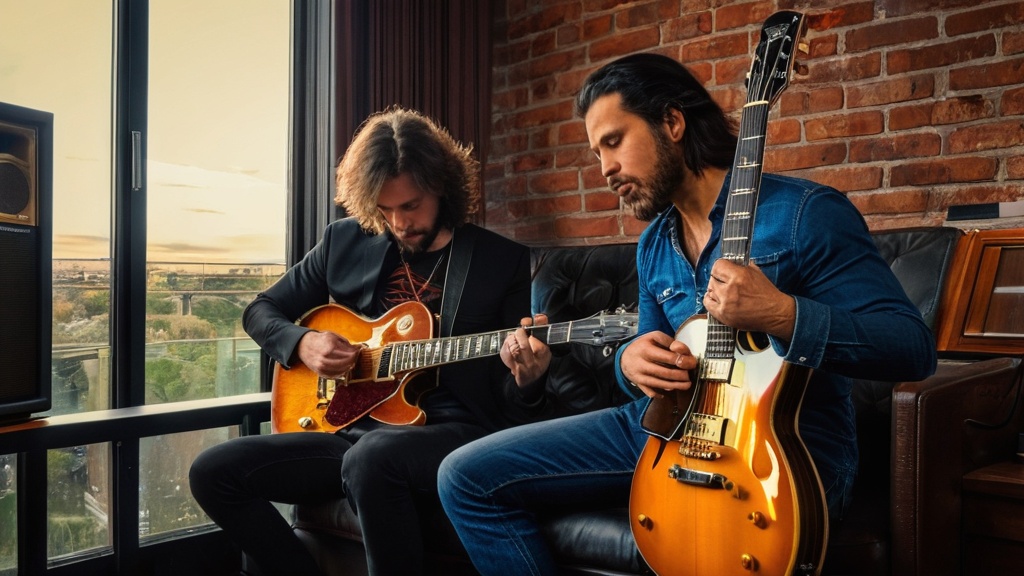
Creating harmonies and melodies is a wonderful process that can be very rewarding. When you work with other musicians to develop new melodies, a unique synergy arises that often leads to surprising results. It is important to be open to each other’s ideas and to experiment together with different sounds and structures.
Harmonies can really bring a song to life and make for a richer listening experience. By working on harmonies together, you can improve not only your own musical skills, but also those of your band members. This process takes patience and creativity, but the result can be incredibly satisfying.
The Importance of Practicing and Rehearsing as a Group
Practicing and rehearsing as a group is essential for building a tight band and improving your musical skills. Regular rehearsals help refine your playing together and make sure everyone is well prepared for performances or recordings. During these sessions you can work on specific songs, but also on technical skills and group dynamics. If you mostly play other people’s songs, also read how to play guitar in a cover band.
Rehearsal also gives you the chance to try out new ideas without pressure. This is the moment when you can experiment with different arrangements or improvisations without fear of mistakes. Creating a safe environment in which everyone feels free to experiment will ultimately lead to better performances and more fun playing together.
The Joy of Making Music Together
In the end, it all comes down to the enjoyment you get from making music together. The joy that comes from creating something beautiful with others is priceless. Whether you are on stage or just practicing at home, the sense of togetherness that arises when you make music together is hard to match.
This enjoyment can also serve as motivation to keep going, even when it gets difficult. Making music is not always easy; there are moments of frustration and challenges. But by working together and supporting each other, you can overcome these obstacles and keep enjoying the process.
Sharing these experiences strengthens your bond not only as musicians, but also as friends. In short: communication, teamwork, listening to each other, using different techniques, making agreements, developing harmonies, practicing as a group and above all having fun making music are all crucial elements that contribute to a successful musical experience. By keeping these aspects in mind, you can not only improve yourself as a musician, but also contribute to a positive and inspiring environment for everyone in the band.
If you are looking for tips on playing together with other guitarists, it is also interesting to improve your electric guitar skills. A related article that can help you with this is Learn to Play Electric Guitar: Tips and Techniques. This article offers valuable insights and techniques you can apply to enrich your playing together and improve your musical interaction with other guitarists. By refining your electric guitar skills, you can respond better to the dynamics and rhythm of your fellow musicians, which leads to more harmonious and captivating playing together. No playing partners nearby yet? Through online guitar communities you can often find people to jam with.
Frequently asked questions about playing together with guitarists
What are some tips for playing together with other guitarists?
Some tips for playing together with other guitarists are: communicate well with each other, tune the guitars to each other, practice together with a metronome, listen closely to each other and give each other space to play.
How do you tune guitars to each other for playing together?
To tune guitars to each other for playing together, you can use a tuner. First tune one guitar and then tune the other guitar to the same pitch.
Why is communication important when playing together with other guitarists?
Communication is important when playing together with other guitarists because it helps you make agreements about tempo, dynamics and improvisation, for example. It makes sure the musicians can respond well to each other.
Why is practicing with a metronome important when playing together?
Practicing with a metronome is important when playing together because it helps develop stable timing. This makes sure the guitarists stay well aligned with each other while playing.
How can guitarists give each other space while playing together?
Guitarists can give each other space while playing together by taking turns playing, complementing each other instead of drowning each other out, and listening closely to each other. This creates a balanced sound.
What is the difference between lead guitar and rhythm guitar?
The rhythm guitarist plays the chords and the rhythm and, together with bass and drums, forms the foundation. The lead guitarist plays melodies, riffs and solos on top of that. In small lineups, guitarists often swap those roles.
How do you play together when you both play acoustic guitar?
Let one guitarist play without a capo and the other with a capo higher up in different chord shapes, or let one strum while the other picks. That way both guitars stay audible and the whole sounds fuller.





Leave a Reply