


You start learning Spanish guitar music on a classical guitar with nylon strings. First learn good posture and the basics of fingerpicking, then practice typical Spanish techniques such as rasgueado, tremolo and arpeggio, and start with an accessible piece like Romance Anónimo. Rhythm is just as important as technique, especially if you are heading toward flamenco. This piece became famous as film music in Jeux interdits; you can find more film themes to practice on guitar in learning guitar with film music.
The History of the Spanish Guitar
The Spanish guitar has a rich and fascinating history that goes back to the Middle Ages. The guitar originally emerged from antiquity, with influences from various instruments such as the lute and the oud. In the 15th and 16th centuries, the guitar began to develop into the instrument we know today. Neighboring Portugal also has its own guitar tradition; in this guide you can read how to learn to play Portuguese guitar. If you want to play something right away, start with the typical Spanish chord progressions.
It was in this period that the guitar became more and more popular in Spain, especially among the aristocracy and in folk culture. The combination of different musical styles, such as flamenco and classical music, contributed to the evolution of the Spanish guitar. In the 19th century, an important transformation took place in the construction of the guitar.
Luthiers such as Antonio de Torres began making guitars that produced a bigger sound and more resonance. These changes made it possible to explore a wider range of techniques and styles. The Spanish guitar became not only a symbol of Spanish culture, but also an instrument appreciated worldwide.
The influence of Spanish guitarists such as Andrés Segovia and Paco de Lucía has contributed to the popularity of the instrument and has inspired many musicians to play it.
Summary
- The Spanish guitar has a rich history that goes back to the 15th century, with influences from instruments such as the lute and the oud.
- When playing Spanish guitar music, the basic principles of fingerpicking and the use of chords are essential.
- Important techniques for playing Spanish guitar music include tremolo, rasgueado and arpeggio.
- Popular Spanish guitar pieces to learn include “Recuerdos de la Alhambra” by Francisco Tárrega and “Asturias” by Isaac Albéniz.
- The importance of rhythm and timing in Spanish guitar music cannot be overstated, since it forms the basis of flamenco and other Spanish music styles.
The Basics of Playing Spanish Guitar Music
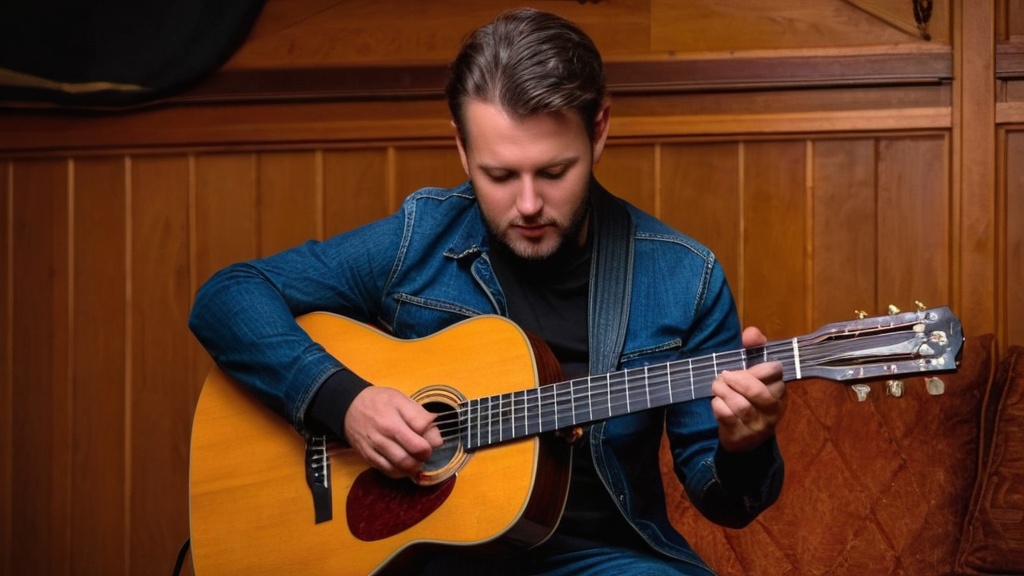
When you start playing Spanish guitar music, it is essential to get the basics down well. One of the first things you need to learn is how to hold and play the guitar correctly. This includes understanding the right posture, both for your hands and for your body.
Good posture not only helps produce a better sound, but also prevents long-term injuries. It is important to let your fingers move smoothly across the strings and to learn how to pluck or strum with your right hand. It is also crucial to become familiar with the various chords and scales that are widely used in Spanish music.
Most Spanish pieces are based on specific chord progressions that you need to learn. Practicing these chords will help you move through pieces faster and improve your overall playing. It is also useful to listen to different styles within Spanish music, so you get a feel for rhythm and melody.
Important Techniques for Playing Spanish Guitar Music

When playing Spanish guitar music, there are several techniques you need to master to sound authentic. One of the most characteristic techniques is fingerpicking, where you play with your fingers instead of a pick. This gives you more control over the sound and dynamics of the music.
It is important to practice different fingerings and patterns so you can produce a wide range of sounds. Another important technique is rasgueado, a strumming technique often used in flamenco music. In rasgueado, you move your fingers quickly across the strings, which creates a powerful, rhythmic sound.
It takes a lot of practice to master this technique, but it can have a dramatic effect on your playing. There are also techniques such as hammer-ons, pull-offs and slides that you can use to make your playing more interesting and add more expression to your music. How to build up rasgueado and other flamenco techniques is covered in learning to play Spanish flamenco guitar.
Tremolo, Arpeggio and the Andalusian Cadence
Two techniques from classical Spanish guitar deserve extra attention. In tremolo, you play a bass note with your thumb and then quickly repeat the same melody note with your ring finger, middle finger and index finger (p-a-m-i). The best-known example is “Recuerdos de la Alhambra” by Francisco Tárrega. In Greek music, tremolo sounds different: there you play quickly up and down with a pick, as in the Greek bouzouki style on guitar. In an arpeggio, you play the notes of a chord one after another instead of at the same time, for example with the pattern p-i-m-a. You can find more exercises in learning to play arpeggios on guitar.
If you want to sound Spanish right away, practice the Andalusian cadence: Am, G, F and E. You hear this descending sequence in a lot of flamenco and other Spanish music. Play it with Am (x02210), G (320003), F (133211, or simplified xx3211) and E (022100), first slowly with a simple strumming pattern and later with rasgueado.
Popular Spanish Guitar Pieces to Learn
There are countless beautiful Spanish guitar pieces you can learn, each with its own unique style and character. A classic that is often recommended for beginners is “Romance Anónimo,” a beautiful piece that is easy to learn yet emotionally deep. This piece introduces you to the beauty of Spanish melodies and offers an excellent foundation for further development. You can find more pieces at this level in the classical guitar pieces for beginners.
Another popular piece is “Asturias” by Isaac Albéniz, which is known for its virtuosity and dynamic rhythms. This piece can be more challenging, but it offers a great opportunity to improve your technical skills. For those interested in flamenco, “Entre Dos Aguas” by Paco de Lucía is a must-know.
This piece combines traditional flamenco elements with modern techniques and shows how versatile the Spanish guitar can be.
The Importance of Rhythm and Timing in Spanish Guitar Music
Rhythm and timing are crucial elements in Spanish guitar music. Most Spanish styles, such as flamenco, depend heavily on complex rhythmic patterns that form the basis of the music. Understanding these rhythms is essential for every guitarist who wants to go deeper into this genre.
It can be useful to practice with a metronome or play together with other musicians to improve your sense of timing. Accents also play an important role in creating dynamics in your playing. By giving certain notes or chords extra force, you can add a sense of movement and emotion to your music. You can find exercises for tighter rhythm in developing a sense of timing on guitar.
Developing a good sense of rhythm will not only improve your playing, but also help when playing with other musicians, which is often an important part of playing Spanish music.
Tips for Finding the Right Spanish Guitar to Learn On

Choosing the right Spanish guitar is an important step in your musical journey. There are several factors to take into account when making this choice. First, it is important to decide whether you want to invest in a new or a secondhand guitar.
New guitars can be more expensive, but they often offer better quality and a warranty. Secondhand guitars can also be excellent options, though, if they have been well maintained. You should also look at the material the guitar is made of.
Solid wood guitars often have a richer sound than laminate ones, but they can also be more expensive. Try different guitars to see which one suits your playing style best. Do not forget that comfort matters too; make sure the guitar feels good in your hands and that you can easily reach all the strings. For Spanish music, choose a guitar with nylon strings; why that matters is explained in the article on the difference between nylon and steel strings.
The Importance of Practice and Perseverance When Learning Spanish Guitar Music
Practice makes perfect, and this certainly applies to learning the Spanish guitar. Practicing regularly is essential to make progress and improve your skills. It can sometimes be frustrating if you do not progress as quickly as you would like, but perseverance is crucial.
Set realistic goals for yourself and celebrate small victories along the way; this will motivate you to keep going. It can also be useful to schedule structured practice sessions in which you work on specific techniques or pieces. This not only helps improve your skills, but also keeps you focused while practicing.
Do not forget that every musician has their own pace; do not compare yourself to others, but focus on your own personal growth.
Developing Your Own Style and Interpretation When Playing Spanish Guitar Music
As you gain more experience playing Spanish guitar music, it is important to develop your own style and interpretation. This means that you not only need to master technical skills, but also learn how to bring emotion and personality into your playing. Listen to different artists and styles for inspiration, but always try to stay true to yourself.
One way to do this is by adding improvisation to your playing. Experiment with different melodies and rhythms as you play; this can lead to unique interpretations of familiar pieces or even completely new compositions. Remember that music is a personal expression; the more you can show of yourself in your playing, the more authentic and engaging it will sound to your audience. You can read how to get started with that in improvising on guitar.
If you are interested in learning to play Spanish guitar music, it is important to start with a good foundation. A useful article that can help you with this is Buying Acoustic Guitars: Handy Tips. This article offers valuable information about choosing the right acoustic guitar, which is essential for playing Spanish guitar music. It gives you insight into what to look for when buying a guitar, so you choose an instrument that fits your musical needs and preferences.
Frequently asked questions about Spanish guitar music
What is Spanish guitar music?
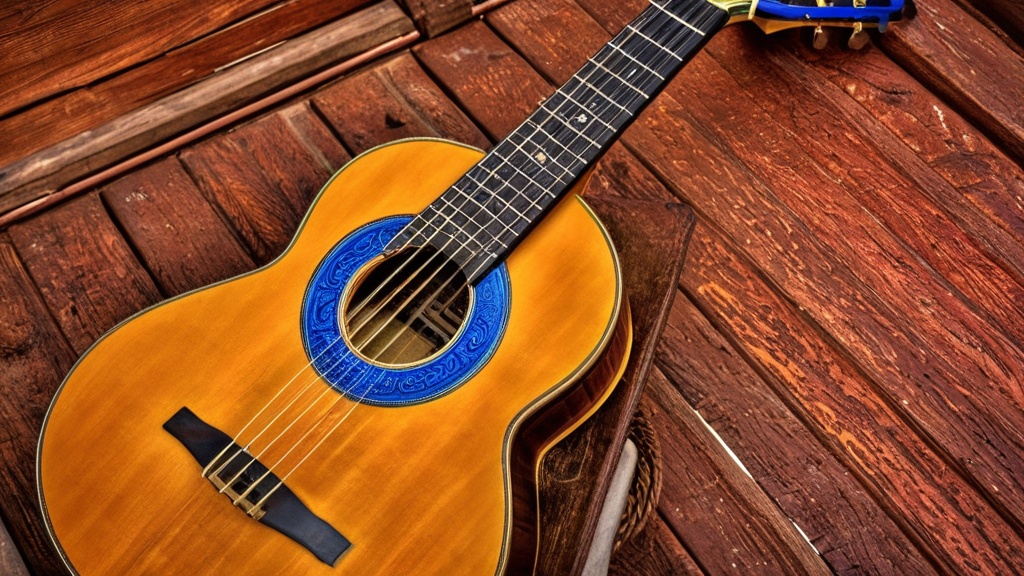
Spanish guitar music is a style of music played on the Spanish guitar, also called the classical guitar. It includes traditional Spanish pieces, flamenco, and other styles that are characteristic of Spanish culture. Curious about the broader classical repertoire? Read about famous classical guitar music.
What basic skills do you need to learn to play Spanish guitar music?
To learn to play Spanish guitar music, you need a few basic skills, such as learning chords, reading sheet music, mastering fingerpicking techniques and developing a sense of rhythm and timing.
What materials do you need to learn to play Spanish guitar music?
To learn to play Spanish guitar music, you need a Spanish guitar, a tuner and learning material such as sheet music or lesson books. For good sitting posture, classical guitarists often use a footstool or a guitar support.
Do you need musical experience to learn to play Spanish guitar music?
No, you do not need musical experience to learn to play Spanish guitar music. Beginners can learn the basic skills and techniques step by step and gradually improve their skills.
Are there online resources available to learn to play Spanish guitar music?
Yes, there are plenty of online resources available, such as video lessons, tutorials and digital learning materials, that can help beginners learn to play Spanish guitar music.
What is the difference between a classical guitar and a flamenco guitar?
Both have nylon strings, but a flamenco guitar usually has a lower string action and a brighter, drier sound that suits rasgueado and percussive playing. A classical guitar sounds fuller and warmer, which suits pieces by Tárrega or Albéniz better.
Which Spanish guitar piece is suitable for beginners?
Romance Anónimo is a well-known choice, especially the first part in E minor. In it, you play a melody over arpeggios, so you practice fingerpicking and fingering at the same time. Asturias and Recuerdos de la Alhambra are better saved for later.



Leave a Reply