
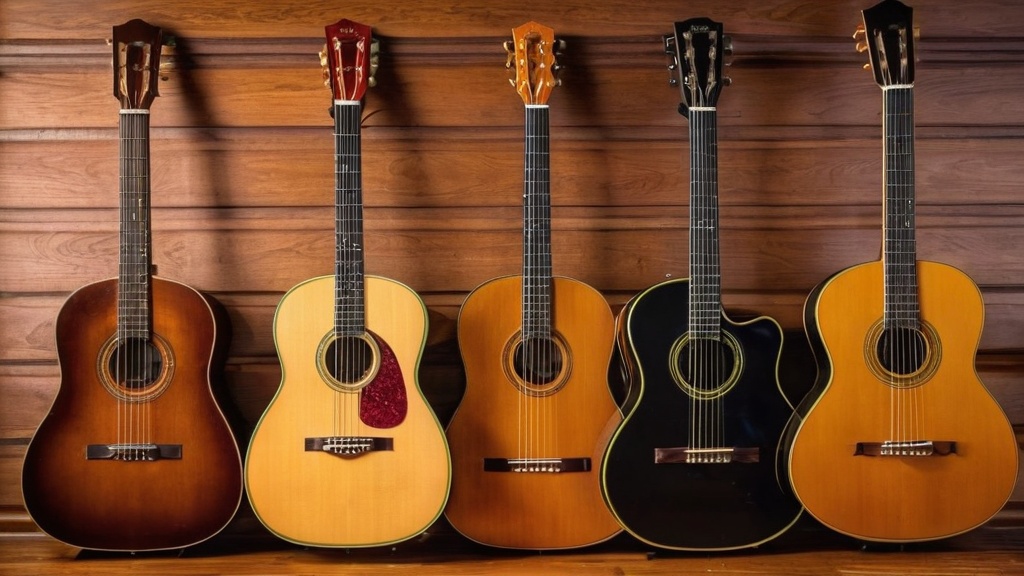

Which classical guitar pieces are suitable for beginners? Start with pieces you play on open strings and with simple fingerings in the first positions, such as Ode to Joy by Beethoven, the traditional Greensleeves and the first part of Romance Anónimo. After that you can move on to short study pieces and etudes by composers such as Fernando Sor, Matteo Carcassi and Ferdinando Carulli. Below you read which classical guitar pieces work well for beginners and how to approach them.
When you are just starting out on the classical guitar, the world of music can feel overwhelming. The classical guitar has a rich history and offers a wide range of styles and techniques. It is an instrument that not only sounds beautiful, but also allows deep emotional expression. Don’t have an instrument yet? First read how to choose the best guitar to learn on. A classical guitar has nylon strings; you can read about the difference from steel strings in a separate article.
For beginners it is essential to start with pieces that are not only doable, but also inspiring. This helps you stay motivated and build your skills gradually. Classical guitar pieces for beginners are often designed to teach the basic principles of playing, while also highlighting the beauty of the music.
By starting with simple but beautiful compositions, you can learn the foundations of technique and musical interpretation. This article will guide you through important techniques, simple pieces and tips to support your development as a guitarist.
Summary
- Classical guitar pieces are a great way for beginners to get to know the world of classical music and guitar playing.
- Important techniques for playing classical guitar pieces include fingering, arpeggios and using the right posture and hand position.
- Simple classical guitar pieces such as “Greensleeves” and “Romance” are perfect pieces for beginners to start with.
- Classical guitar pieces with well-known melodies such as “Für Elise” and “Ave Maria” are ideal for beginners to expand their repertoire.
- Classical guitar pieces with simple chords such as “Ode to Joy” and “Scarborough Fair” are suitable for beginners to learn and play.
- Tips for practicing classical guitar pieces as a beginner include taking small steps, practicing regularly and using a metronome.
- Interpreting classical guitar pieces and adding expression requires attention to dynamics, phrasing and emotion in the music.
- Listening to classical guitar pieces regularly is essential for beginners to become familiar with the style, technique and interpretation of classical music.
Important techniques for playing classical guitar pieces
When learning classical guitar pieces, mastering certain techniques is crucial. One of the first things you need to learn is proper fingering. This means placing your fingers on the strings the right way to produce a clear tone.
It is important to practice with both your left and right hand, because both hands play an essential role in making music. Plucking with your fingers instead of with a pick is also characteristic of the classical guitar and takes some practice to get the hang of. Learning different picking techniques is also very important. You can read how to divide the strings between your thumb and fingers in this guide to learning to play fingerstyle guitar.
Think of arpeggios, where you play the strings one by one, and using dynamics to bring variety to your playing. Developing a good sense of rhythm and timing is also essential. You can achieve this by practicing regularly with a metronome and challenging yourself with different tempos.
By mastering these techniques, you lay a solid foundation for playing more complex pieces in the future.
Simple classical guitar pieces for beginners to start with
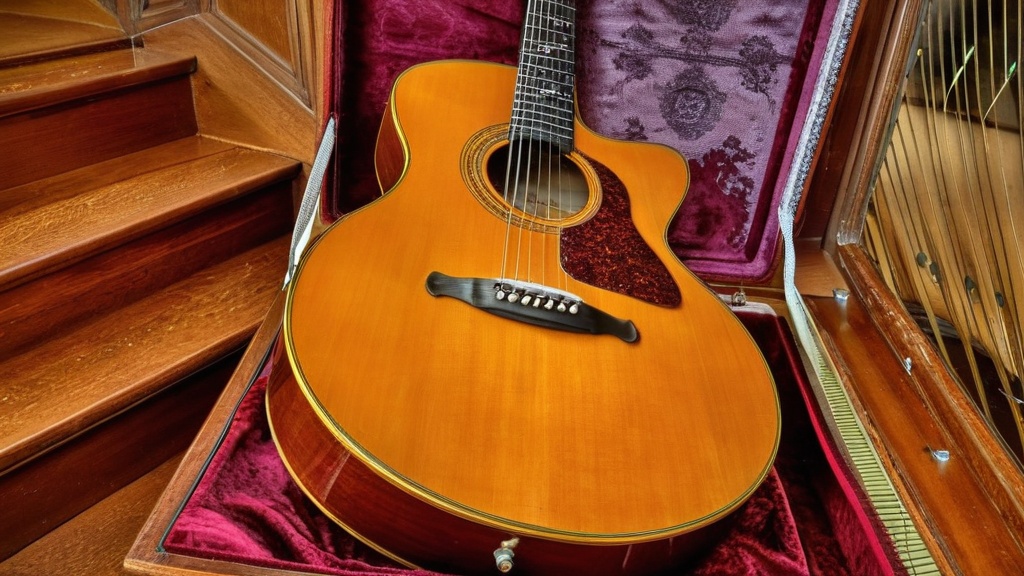
There are several classical guitar pieces that are perfect for beginners. One of the most popular choices is “Romance Anónimo”, a beautiful piece with an enchanting melody. The first part in particular, a continuous arpeggio in E minor, is manageable for beginners. This piece helps you improve your fingering and picking technique, while you enjoy the beauty of the music.
It is a great way to build your confidence and develop your skills. Another simple piece that is often recommended for beginners is “Greensleeves”. This traditional English folk song has a recognizable melody and can easily be played with basic chords.
It offers an excellent chance to practice transitions between chords and to develop a feel for musical phrasing. By practicing these pieces regularly, you will notice that you not only get better at technique, but also enjoy playing the guitar more.
Classical guitar pieces with well-known melodies for beginners
Besides simple pieces, there are also classical guitar works that contain well-known melodies and are accessible to beginners. One example is “Für Elise” by Beethoven. Although this piece was originally written for piano, many arrangements are available that are adapted specifically for the classical guitar.
The recognizability of the melody makes it extra fun to play and is sure to impress friends and family. Another example is “Ave Maria” by Schubert. This piece has a serene and emotional melody that is perfect for the classical guitar.
It offers not only a chance to improve your technical skills, but also to learn how to add expression to your playing. By playing these well-known melodies, you can not only expand your repertoire, but also enjoy the process of learning and growing as a musician.
Classical guitar pieces with simple chords for beginners
For beginners who want to focus on chords, there are several classical guitar pieces that are easy to play with basic chords. A good example is “Ode to Joy” by Beethoven. This piece can be played with just a few chords and is a great way to expand your chord knowledge.
The rhythm and structure are simple enough to make progress quickly. Another piece that is often recommended is “Scarborough Fair”. This traditional English song can be played with a few simple chords and has a dreamy melody that is perfect for beginners.
By practicing these pieces, you learn not only chords, but also how to combine them in a musical context. This will help you develop a better understanding of harmony and melody.
A logical order for your first pieces
- Ode to Joy: a melody over a few strings, without chord shapes. Ideal for practicing notes and tempo.
- Greensleeves: melody and bass notes in a calm, swaying rhythm. You practice transitions and phrasing.
- Short studies by Carulli, Sor or Carcassi: they train arpeggios and the alternation between thumb and fingers.
- Romance Anónimo, first part: a continuous arpeggio in E minor. The second part in E major calls for barre chords, so it is better to start by learning barre chords first.
Tips for practicing classical guitar pieces as a beginner
Practice is essential for every musician, especially for beginners who want to develop their skills. A good tip is to schedule regular short practice sessions instead of long, uninterrupted ones. This helps prevent fatigue and keeps your mind fresh.
Try to focus each session on specific techniques or pieces, so you can work on improvement in a targeted way. It is also important to be patient with yourself. Learning music takes time and dedication, so don’t be discouraged if you don’t make progress right away.
It can be useful to set goals for yourself, such as mastering a certain piece within a certain time or improving a specific technique. By setting these goals, you can motivate yourself and stay focused on your musical journey.
How to interpret classical guitar pieces and add expression
An important aspect of playing classical guitar pieces is the ability to add interpretation and expression to your playing. This goes beyond just playing the notes correctly; it is about understanding the emotion and intention behind the music and conveying it to your audience. Start by listening to different performances of the same piece to get a feel for how other musicians shape their interpretation.
While playing, try to pay attention to dynamics; vary volume and intensity to give certain passages more emphasis. Using rubato, where you slightly adjust the timing for expressive purposes, can also help bring more emotion into your playing. By applying these techniques, you can put your personal stamp on every piece and bring it to life in a way that is unique to you.
The importance of regularly listening to classical guitar pieces for beginners
An often overlooked aspect of learning to play is listening to music. Regularly listening to classical guitar pieces can contribute enormously to your development as a musician. It helps not only with developing a better ear, but also with understanding different styles and interpretations.
Try listening to different artists and performances to get inspired and pick up new ideas for your own playing. Listening to music can also be motivating. When you hear beautiful performances, you may feel like getting started with practicing yourself or trying out new pieces.
It can also help develop a sense of timing and phrasing, which is crucial for every musician. By immersing yourself in the world of classical guitar music, you will not only get better at technique, but also be able to add more emotion and depth to your playing. In conclusion, learning to play classical guitar pieces as a beginner can be both challenging and rewarding.
By familiarizing yourself with important techniques, simple pieces and interpretation, you lay a strong foundation for further development as a musician. Don’t forget that patience and perseverance are essential in this process; every step you take brings you closer to your musical goals.
If you are just starting to play classical guitar pieces, it is important to get the right techniques under your belt. A useful article that can help you with this is Learn guitar techniques with these handy tips. This article offers valuable insights and practical tips that can support you in improving your guitar playing, so you can take on the classical pieces with confidence.
Frequently asked questions about classical guitar pieces for beginners
What are classical guitar pieces?
Classical guitar pieces are pieces of music written or arranged for the classical guitar. These pieces can range from simple melodies to complex compositions and are often characterized by their melodic and harmonic structures.
Are classical guitar pieces suitable for beginners?
Yes, there are classical guitar pieces that are specifically suitable for beginners. These pieces often have a simpler structure and contain less complex techniques, which makes them accessible to beginning guitarists.
What are some examples of classical guitar pieces for beginners?
Some examples of classical guitar pieces for beginners are Romance Anónimo (composer unknown), the traditional Greensleeves, Ode to Joy by Beethoven and the simple studies by Fernando Sor, Matteo Carcassi and Ferdinando Carulli. If you are mainly curious about Spanish pieces by composers such as Tárrega and Albéniz, see learning to play Spanish guitar music.
Do I need to be able to read music to play classical guitar pieces?
Although it is handy to be able to read music, it is not strictly necessary to play classical guitar pieces. There are many resources where pieces are shown in tablature or chord symbols, which makes it more accessible for guitarists who cannot read music. You can read whether learning to read music is really necessary in a separate article.
What are some tips for playing classical guitar pieces as a beginner?
Some tips for playing classical guitar pieces as a beginner are practicing regularly, paying attention to proper fingering, using a metronome to improve your timing, and listening to recordings by experienced guitarists to understand the interpretation of the pieces.
Can you also play classical pieces on a steel-string guitar?
Yes, the notes stay the same. Nylon strings do sound warmer and are gentler on your fingertips, and the wider neck of a classical guitar gives your fingers more room for arpeggios and fingerpicking.
Which classical piece is the easiest to start with?
Ode to Joy is a good first choice, because you only play a melody without chord shapes. After that, Greensleeves and the first part of Romance Anónimo are the obvious next steps.






Leave a Reply