


Learning to improvise like Stevie Ray Vaughan starts with the minor pentatonic scale and the blues scale, but the secret is in the delivery: a strong attack, big bends, wide vibrato and a shuffle that never lets up. Below you read what makes his playing so recognizable and how to practice those elements step by step. Both scales are shown with tab in the overview of the five most important guitar scales.
Chords and scales as a foundation
Improvisation is an essential part of music, and understanding chords and scales is the foundation of this art form. When you start improvising, it is crucial to learn the different chords and their functions within a certain key. Chords are the building blocks of music; they create the harmonic structure you move within. The minor pentatonic scale is the basis here; in improvising with the pentatonic scale you can read which patterns and exercises you need for it. How to use that scale over a 12-bar blues is covered in learning blues improvisation on guitar.
By exploring the different chords in a progression, you get a better feel for the musical context you are improvising in. This allows you to create more thoughtful and coherent melodies. Scales are just as important as chords, because they provide the notes you build your melodies from.
Knowing the major and minor scales, as well as other scales such as the pentatonic and blues scales, gives you a wide range of possibilities to experiment with. Once you master these scales, you can use them to enrich your improvisations and add variety to your playing. Combining chords and scales helps you not only develop technical skills, but also gain a deeper understanding of music.
Summary
- Learn the basic chords and scales so you can improvise on guitar
- Emotion and expression are essential for conveying feeling in your improvisation
- Use different techniques to add dynamics to your playing, such as volume variations and rhythm changes
- Experiment with bends, vibrato and slides to make your improvisation more lively
- Develop your own unique sound and style by experimenting with different techniques and music styles
What makes Stevie Ray Vaughan’s playing so recognizable?
Stevie Ray Vaughan (1954-1990) brought Texas blues back to a large audience in the 1980s with his band Double Trouble. You can hear a few characteristics in almost every solo:
- A hard attack. He played forcefully with a pick on a Stratocaster with heavy strings, tuned a half step down. That is why his tone sounds full and thick.
- Big bends and wide vibrato. He learned that way of bending mostly from Albert King. Bends of a whole step or more are more the rule than the exception for him.
- Rhythm and lead mixed together. In songs like “Pride and Joy” he plays a shuffle with licks and double stops in between, without the groove ever stopping.
- Minor and major color. He alternates the minor pentatonic with major notes, which makes his licks sound raw and melodic at the same time.
The influence of Jimi Hendrix is also clearly audible: he played “Voodoo Child (Slight Return)” and “Little Wing,” among others. If you want to build up his bending technique yourself, start with slides and bends on electric guitar.
The importance of emotion and expression in improvisation
Emotion and expression are the soul of improvisation. When you improvise, it is not only important to be technically skilled; you also need to be able to convey feelings. Music is a powerful way to express emotions, and as a musician you are responsible for translating those emotions into sound.
This can range from joyful, rousing melodies to melancholic, introspective sounds. It is this emotional depth that touches your audience and connects them with your music. To bring emotion into your playing, you have to open yourself up to what you feel at the moment of improvising.
This can mean allowing yourself to be vulnerable, or calling up certain experiences or memories that resonate with the music you are playing. Using dynamics, such as varying volume and intensity, can also help strengthen the emotional impact of your playing. By being aware of the emotional message you want to convey, you can create an authentic and compelling experience for both yourself and your listeners.
Techniques for creating dynamics in your playing
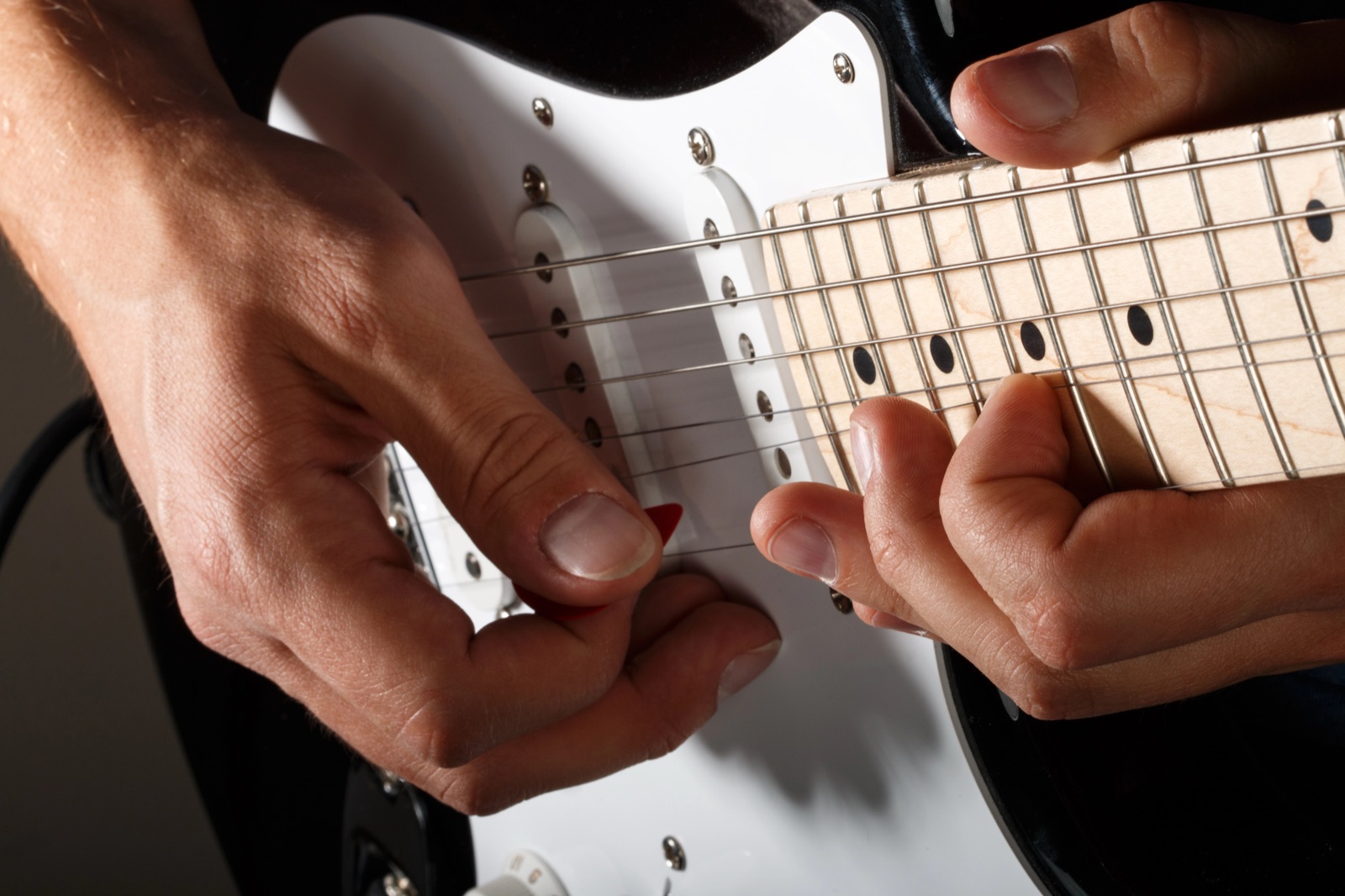
Dynamics are a crucial aspect of musical expression and can make a big difference in how your improvisations come across. It is not just about volume; dynamics also include variations in tempo, articulation and phrasing. By shaping these elements, you can build tension, convey emotions and hold your audience’s attention.
A powerful technique is the use of crescendos and decrescendos, where you gradually raise or lower the volume to create a sense of movement and development. You can also play with rhythmic variations to add dynamics to your improvisations. By alternating between fast and slow passages or by using syncopation, you can give your music an interesting texture.
It is also useful to use silence strategically; a well-placed pause can greatly increase the impact of the next note or phrase. By applying these techniques, you can create a richer musical experience that appeals to both you and your audience.
Using bends, vibrato and slides in improvisation
Bends, vibrato and slides are techniques widely used in improvisation to add expression and character to your playing. Bends are perfect for creating tension; by bending a note up or down, you give it a unique sound that can evoke emotions. This technique is especially popular in genres like blues and rock, where adding a “soulful” element to the music is essential. Double stops also belong to this bluesy style; how to approach them is covered in learning to play double stops on guitar.
Mastering bends takes practice, but the result can be very satisfying. Vibrato is another technique that helps bring notes to life. By adding subtle variations in pitch while you sustain a note, you create a rich sound that holds attention.
This can be especially effective on longer notes or at climactic moments in your improvisation. Slides also add a playful dimension to your playing; by gliding smoothly from one note to another, you can create a sense of movement and flow that takes the listener on a musical journey. Integrating these techniques into your improvisations can help you develop your unique voice as a musician.
Developing your own unique sound and style
Developing a unique style is an important part of every musician’s journey. As you learn different techniques and styles, it is essential to give yourself room to experiment and express yourself. This means you shouldn’t be afraid to step off the beaten path and try out new ideas.
Your personal experiences, preferences and influences will all contribute to shaping your unique sound. A good way to encourage this process is to listen to different genres and artists. Analyze what appeals to you in their music and try to incorporate elements of it into your own playing. A nice example is John Mayer, who turned Vaughan’s influence into a sound of his own; you can read about that in this analysis of John Mayer’s guitar style.
This can range from specific techniques to certain emotional expressions or even compositional structures. By exposing yourself to diverse influences, you can find inspiration that leads to an authentic musical voice that is truly yours.
The importance of listening and responding while improvising

Listening is a crucial part of improvisation that is often overlooked. When you improvise with other musicians, it is essential to listen actively to them and understand their playing. This allows you to respond to each other and create a coherent musical experience together. How to practice that in real life is covered in improvising during jam sessions.
It is not only about playing your own ideas; it is about working with others to create something unique. Listening actively means paying attention to the dynamics, rhythms and melodies that others play. This can lead to spontaneous interactions that take the improvisation to new heights.
By staying open to what happens in the moment, you can adapt your own ideas to what is already going on, creating a sense of collaboration that enriches the music.
Integrating different music styles into your improvisation
Integrating different music styles into your improvisation can lead to surprising and innovative results. Every style has its own characteristics, techniques and emotional expressions that can add to your musical vocabulary. By bringing together elements from different genres, you can make your improvisations more diverse and discover new creative possibilities. How to choose different scales and phrases per genre is covered in improvising in different styles.
For example, if you mainly play rock music, you can add elements from jazz or blues to bring more complexity to your playing. This can range from using jazzy chords to applying bluesy bends and vibrato. Exploring different styles helps not only with developing technical skills, but also with broadening your musical horizons.
Exercise: a shuffle in E in the style of SRV
- Set a metronome or backing track to a relaxed shuffle tempo and play a twelve-bar blues in E (E7, A7 and B7).
- For the first few rounds, play only the shuffle rhythm on the low E and A strings.
- Then fill every second measure with one short lick from the E minor pentatonic scale, in open position or around the twelfth fret.
- End each lick on a bend or a long note with vibrato and go straight back to the rhythm.
That way you train exactly what Vaughan did so well: playing rhythm and solo in one continuous part.
Tips for practicing and improving your improvisation skills
To improve your improvisation skills, regular practice is essential. Start by setting specific goals for each practice session; these can range from mastering certain techniques to experimenting with new styles or ideas. Recording yourself while practicing can also be valuable; that way you can listen back to your playing and identify areas that need improvement.
It is also useful to play with other musicians. This offers not only the chance to put your skills into practice, but also to receive feedback and discover new perspectives on improvisation. Don’t forget that improvisation is a continuous learning process; be patient with yourself as you grow as a musician and stay open to new experiences and challenges.
With consistency in your practice and a curious attitude toward music, you will undoubtedly make progress in your improvisation skills.
If you are interested in learning to improvise like Stevie Ray Vaughan, it is also worth improving your guitar techniques. A related resource that can help with this is the article on guitar techniques with handy tips. This article offers valuable insights and techniques that can help take your guitar playing to a higher level, just like the legendary blues guitarist Stevie Ray Vaughan did. By refining your techniques, you will find that your improvisations become smoother and more expressive.
Frequently asked questions about improvising like Stevie Ray Vaughan
What is improvisation in music?
Improvisation in music is making up and playing music on the spot, without pre-written notes or arrangements. It is an important part of genres like jazz, blues and rock.
Who is Stevie Ray Vaughan?
Stevie Ray Vaughan was an influential American blues guitarist, singer and songwriter. He is considered one of the greatest guitarists of all time and had a unique playing style.
How can I learn to improvise like Stevie Ray Vaughan?
To learn to improvise like Stevie Ray Vaughan, it is important to study his music and listen to his playing style. Practicing blues scales and chord progressions and listening to a lot of blues music is also essential.
Which skills do I need to improvise in the style of Stevie Ray Vaughan?
To improvise in the style of Stevie Ray Vaughan, skills such as knowledge of blues scales, a sense of timing and rhythm, mastery of bending and vibrato techniques on guitar, and the ability to put emotion into the music are important. It is also important to learn to listen to other musicians and respond to what they play.
Which scale did Stevie Ray Vaughan use the most?
The basis of his solos is the minor pentatonic scale, supplemented with the blue note and notes from the major pentatonic. In shuffles in E he liked to combine it with open strings. So start with the E minor pentatonic in open position and around the twelfth fret.
Do I need to tune my guitar a half step down to sound like SRV?
You don’t have to. Vaughan tuned a half step down, which makes heavy strings easier to bend and gives his tone a deeper sound. If you want to play along exactly with the original recordings, that tuning does help; for practicing his phrasing, standard tuning is fine.






Leave a Reply