
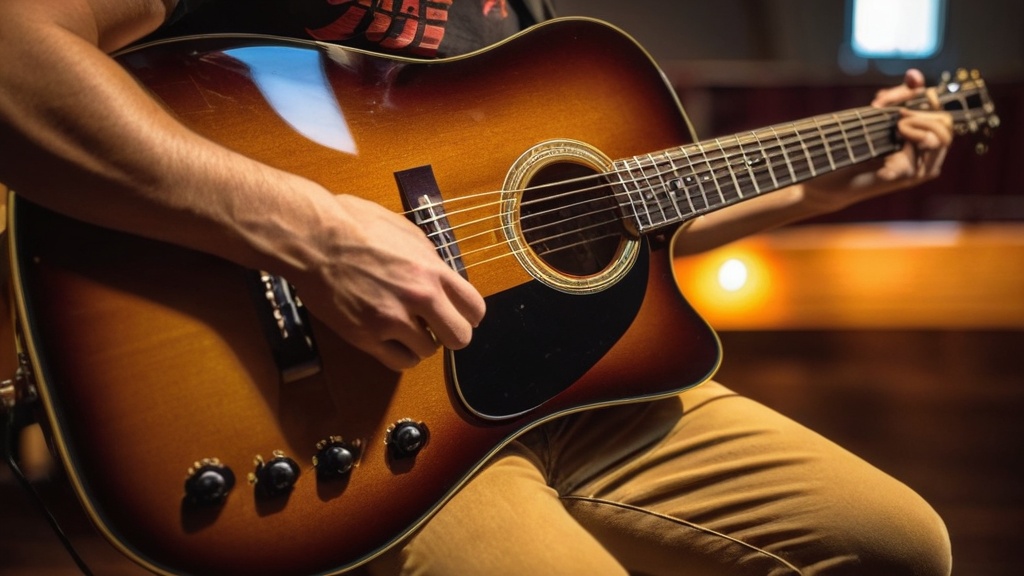

How do you learn to improvise in different styles? Start with one style, usually blues or rock, and get to know one scale and a few typical phrases in it really well. Then expand step by step, because every style has its own scales, rhythms and tone color. Listen a lot to guitarists from that style, play along with accompaniment and record yourself. Below you can read what to look out for in each style and how to get started.
What Is Improvisation?
Improvisation is the process of creating music, art or other creative expression on the spot, without prior planning or preparation. It is a spontaneous and often intuitive form of expression that lets you turn your emotions, thoughts and ideas directly into an artistic form. In the music world, improvisation is an essential part, because it gives musicians the freedom to express their creativity and experiment with different sounds and styles.
It allows you to find and develop your own voice, which is crucial for every musician who wants to improve their skills. The value of improvisation reaches beyond the musical world. It also promotes important skills such as problem solving, flexibility and creative thinking.
When you improvise, you learn to make quick decisions and adapt to changing circumstances. This can be useful not only in music, but also in other aspects of life, such as work and personal relationships. By improvising, you develop a deeper understanding of yourself and your surroundings, which leads to a richer and more satisfying experience.
Summary
- Improvisation is creating music in the moment, without notes or chords written in advance, and it is important because it promotes the creativity and expression of the musician.
- The basic principles of improvisation include listening to other musicians, understanding musical structures and developing your own musical vocabulary.
- Improvising in jazz is about playing melodies and chords over existing harmonies, using syncopation and creating variation in rhythm and pitch.
- Improvising in classical music involves playing ornaments and cadenzas within an existing piece, and interpreting the music in a personal way.
- Improvising in pop music often means adding personal flair to existing songs, playing solos and creating new melodies and chord progressions.
- Improvising in world music involves combining different musical traditions, using unusual scales and rhythms, and integrating improvisation into traditional compositions.
- Techniques and exercises for improvisation in different styles include learning scales and chords, training your ear, and playing with different rhythmic patterns and dynamics.
- Developing your own improvisation style requires experimenting with different techniques, listening to and learning from other musicians, and continuing to develop your musical vocabulary and expression.
The Basic Principles of Improvisation
With improvisation, there are a few basic principles you need to understand in order to create effectively. First, listening is crucial. Whether you play with other musicians or improvise solo, the ability to listen well to what is happening around you helps you respond better to the music and the mood. You can find tips for soloing with others in how to improvise during jam sessions.
This means you should pay attention not only to the notes you play, but also to the dynamics, rhythm and emotion of the music. Another important principle is developing a strong foundation in music theory. This includes understanding chords, scales and harmonies.
When you master these elements, you can improvise more freely because you know which notes sound good together. It is also important to give yourself room to make mistakes. Improvisation is a process of trying and learning; not every note you play will be perfect, but that is exactly what makes it so interesting. You can find a step-by-step foundation in how to improvise on guitar.
By embracing mistakes, you can discover new ideas and develop your creativity further.
Improvising in Jazz

Jazz is perhaps the best-known genre in which improvisation plays a central role. In jazz, it is common for musicians to play solos that are created entirely on the spot. This requires not only technical skills, but also a deep understanding of jazz harmonies and structures. You can read more about the style and the big names in the magic of jazz guitar music.
Jazz musicians often use complex chords and rhythms, which lets them create unique and surprising sounds during their performances. An important aspect of jazz improvisation is the interaction between musicians. In a jazz ensemble, musicians listen to each other and respond to each other’s playing.
This creates a dynamic and lively atmosphere in which every musician can let their own voice be heard. It is not unusual for one musician to introduce an idea or theme, which others then build on. This collaboration makes jazz a unique experience that is different every time.
Improvising in Classical Music
Although improvisation is often associated with jazz, it also has a rich history in classical music. In the Baroque period, for example, improvisation was an essential part of performance practice. Musicians often improvised ornaments and variations on existing themes during performances.
This gave them the freedom to add their own interpretation to a piece and show their technical skills. Today, improvisation is used less often in classical music, but there are still opportunities for musicians to express their creativity. Some contemporary composers encourage improvisation as a way to explore new sounds and structures.
In addition, more and more ensembles focus on combining classical music with improvisational elements, which adds a new dimension to performance practice.
Improvising in Pop Music
In pop music, improvisation also plays an important role, though in a different way than in jazz or classical music. Many pop artists use improvisation during live performances to give their songs a unique twist. This can range from spontaneous vocal lines to changing instrumental sections.
The goal is often to capture the energy of the audience and create an unforgettable experience. Improvisation can also happen during the songwriting process. Many songwriters experiment with different melodies and lyrics while working on their songs, which leads to surprising and original results.
The ability to improvise freely can help you develop a style and sound of your own that feels authentic.
Improvising in World Music

World music covers a wide range of styles and traditions from different cultures around the world, and improvisation often plays a crucial role in these genres. From traditional Indian ragas to African drum music, improvisation is often embedded in performance practice. Musicians use their knowledge of cultural traditions to create unique interpretations that are both respectful and innovative. A good example is the maqamat; in learning Arabic scales on guitar you can read how to find them on the guitar neck. If you want to work with Indian scales, these tips for raga improvisation on guitar will help. You can also try the style of the Greek bouzouki: melodies with tremolo in eastern modes.
In many world music traditions there is also a strong emphasis on collaboration between musicians. This can lead to beautiful interactions in which different instruments and styles come together in a spontaneous creation. The ability to improvise within this context requires not only technical skills, but also a deep understanding of the cultural background and meaning of the music.
How to Start in Each Style on Guitar
Every style has its own starting point. These rules of thumb will help you get going:
- Blues and rock: start with the A minor pentatonic scale or the blues scale over a 12-bar blues in A (A7, D7 and E7). Bends and vibrato immediately give your playing the right character. A detailed step-by-step plan is in learning blues improvisation on guitar.
- Jazz: follow the chords instead of one scale. Play the chord tones of a II-V-I in C (Dm7, G7, Cmaj7), for example, and connect them with small steps. Playing arpeggios is the foundation for that.
- Funk: rhythm comes before notes. Play short, tight phrases in sixteenth notes and try the Dorian scale over a minor 7 chord, such as E Dorian over Em7. First practice the typical funk rhythms.
- Country: use the major pentatonic scale, for example G major pentatonic over a song in G, and play short, melodic licks.
- Flamenco and Spanish: improvise in the Phrygian mode over the Andalusian cadence Am, G, F, E. You can read more about this style in learning Spanish flamenco guitar.
Pick one style, play with it for a few weeks until it feels familiar and then move on to the next. That way you build a small vocabulary in each style that you can combine later.
Techniques and Exercises for Improvising in Different Styles
To improve your improvisation skills, there are various techniques and exercises you can use, regardless of the music style you are interested in. One effective exercise is playing different scales and chords while you improvise. This helps you get familiar with the sounds and possibilities within a particular key. You can find an overview per key in which chords go together.
You can also try playing with other musicians, even if they do not play the same style as you. This forces you to be flexible and adapt to different musical ideas. Another useful technique is recording yourself while you improvise; this lets you listen back to your playing and identify areas for improvement. If you have no fellow musicians at hand, play along with backing tracks in the style you want to learn.
Developing Your Own Improvisation Style
Developing your own improvisation style is an exciting process that takes time and dedication. Start by exploring different genres and styles to get inspired. Listen to different artists and pay attention to how they structure their improvisations and which techniques they use.
Try combining elements from different styles to create something unique that reflects your personal voice. It is also important to challenge yourself by trying new things. This can mean learning to play new instruments or experimenting with unusual rhythms or harmonies.
Do not be afraid to step outside your comfort zone; this is often where the most interesting ideas arise. By practicing consistently and challenging yourself, you will find that your own style develops organically as you gain more experience in improvising.
Frequently asked questions about improvising in different styles
What is improvisation in music?
Improvisation in music is inventing and playing music on the spot, without notes or arrangements set in advance. It is a creative process in which the musician, based on their knowledge and skills, can make music spontaneously.
Why is it important to learn to improvise in different styles?
Learning to improvise in different styles allows musicians to be flexible and adapt to different musical situations. It also broadens their musical horizons and helps them develop their own musical identity.
How can I learn to improvise in different styles?
To learn to improvise in different styles, it is important to have a good knowledge of music theory, scales, chords and rhythms. Practicing listening to and playing different music styles is also essential. Taking lessons from an experienced music teacher can also help develop improvisation skills.
Which styles can I learn to improvise in?
Musicians can learn to improvise in different styles, including jazz, blues, rock, funk, classical, world music and more. Each style requires a specific approach and knowledge of its musical characteristics.
What are some tips for improving improvisation skills?
Some tips for improving improvisation skills are practicing regularly, listening to and analyzing recordings of experienced improvisers, playing with other musicians, and developing your own musical vocabulary through repetition and variation.
Which style is best to start improvising with?
For most guitarists, blues and rock are the easiest starting point. With the minor pentatonic scale over a simple chord progression, you will soon hear something that works. After that, you can move on to funk, country or jazz.
Which scale do you use for which style?
As a rule of thumb: minor pentatonic and the blues scale for blues and rock, major pentatonic for country, Dorian for funk and a lot of minor jazz, and Phrygian for flamenco. In jazz, you mainly follow the chord tones of each chord as well.




Leave a Reply