
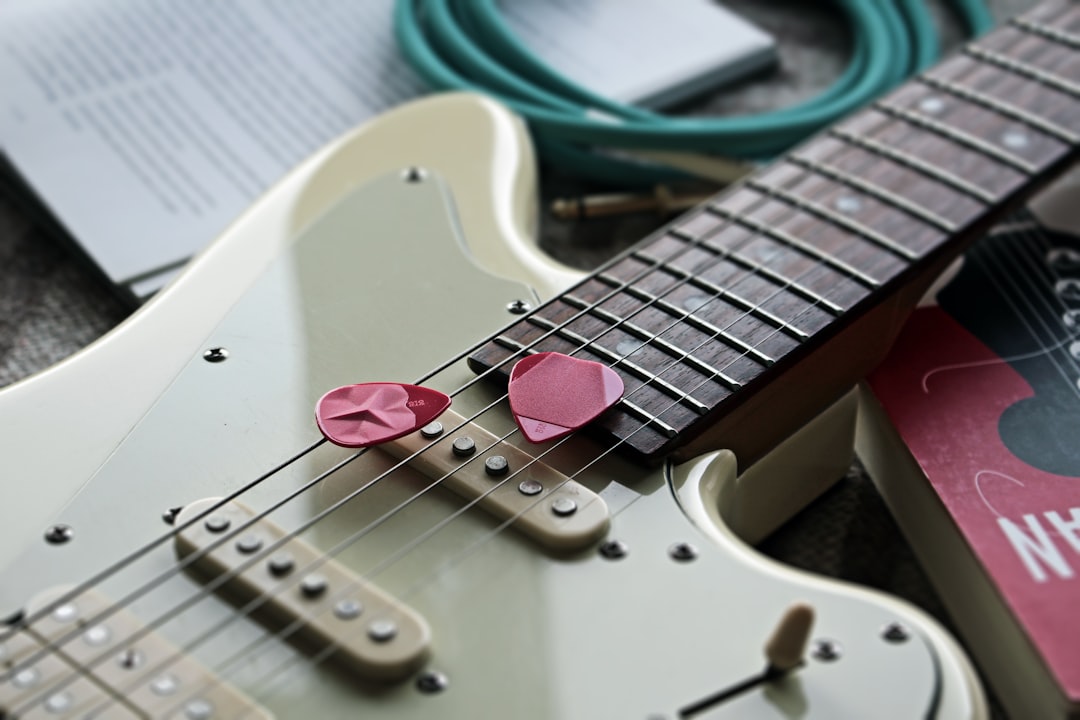

The best guitar to learn on is the one that fits the music you want to make, your hands and your budget. If you mainly want to accompany songs, choose an acoustic guitar with low string action. A classical guitar with nylon strings is gentler on your fingertips, and if you want to play rock or blues, an electric guitar is a great start. Below you can read what to look for in each type.
Why learn to play guitar?
Playing the guitar offers several benefits for your physical, mental and emotional health. Making music can help reduce stress and calm you down. Playing guitar improves hand-eye coordination and fine motor skills, because both hands have to work together independently when forming chords and playing melodies.
Cognitive functions are stimulated by learning and remembering chords, scales and pieces of music. That is a good workout for your memory and concentration.
The creative side of playing guitar gives many people enjoyment and satisfaction and offers room for self-expression.
Writing your own music can also be a way to process emotions and develop artistically. In short: playing guitar can be good for both body and mind.
Summary
- Learning to play guitar offers countless benefits for both mental and physical health, including stress reduction and improved hand-eye coordination.
- When choosing the best guitar to learn on, it is important to consider factors such as budget, body size and taste in music.
- For beginners, acoustic guitars are often the most suitable because of their simple operation and versatility.
- Learning guitar contributes to personal development by improving discipline, perseverance and creativity.
- The best ways to learn guitar include regular practice, following structured lessons and learning your favorite songs.
Tips for choosing the best guitar to learn on
Choosing the right guitar to learn on is an important step for beginners. There are different kinds of guitars, such as acoustic, classical and electric guitars, and each type has its own characteristics and playing style. For beginners it is generally recommended to start with an acoustic guitar, because it is easier to handle and doesn’t need extra equipment such as amps. Unsure between acoustic and electric? Then read which is easier: electric or acoustic guitar.
When choosing an acoustic guitar, it is important to look for a model with low action, which means the strings sit close to the fretboard. This makes it easier for beginners to learn chords without pressing too hard on the strings. For children and people with smaller hands, a 3/4 size acoustic guitar can be a good choice, because it has a slightly shorter scale and is therefore easier to play. You can read how to determine the right size for a child in a separate article. The right fingering and a capo also help; see playing guitar with small hands or short fingers.
Your budget is also important when choosing a guitar. There are affordable options for beginners that are good quality and suitable for learning the basics of guitar playing. Finally, it is a good idea to ask experienced guitarists or music stores for advice when choosing the best guitar to learn on. You can read roughly what you will spend in how much a good beginner guitar costs.
Different types of guitars for beginners

There are several types of guitars suitable for beginners to learn on. The most common choices for beginners are acoustic, classical and electric guitars. Acoustic guitars have steel strings and produce a bright, resonant sound.
They are ideal for playing different styles of music, from folk to pop and rock. Classical guitars have nylon strings and produce a softer, warmer sound. They are often used for playing classical music and flamenco, but can also be used for other styles. You notice the difference between nylon and steel strings mainly in your fingertips and in the tone. You can read how to start on such a guitar with rasgueado, tremolo and your first pieces in our guide to Spanish guitar music.
Electric guitars have a solid body and can be plugged into amps to produce a more powerful sound. They are often used in rock, blues and jazz because of their versatility and the possibilities for effects. For beginners it is generally recommended to start with an acoustic guitar, because it is easier to handle and doesn’t need extra equipment.
However, if you are interested in playing rock or blues, an electric guitar can also be a good choice. It is important to try different types of guitars before you choose one, so you can determine which type best suits your playing style and musical taste. You can read what to look for in the store in these tips for buying an acoustic guitar.
Classical, acoustic or electric: the differences
| Type | Strings | Sound and styles | Keep in mind |
|---|---|---|---|
| Classical guitar | Nylon | Soft and warm; classical, flamenco, bossa nova | Gentle on your fingertips, but a wider neck |
| Acoustic guitar (steel-string) | Steel | Bright; folk, pop, singer-songwriter | Takes more strength; choose low string action |
| Electric guitar | Steel, usually thinner | Through an amp; rock, blues, metal, jazz | Narrow neck and low string action; amp and cable needed |
How playing guitar contributes to personal development
| Aspect of personal development | How playing guitar contributes |
|---|---|
| Self-discipline | Regular practice and dedication are essential for improving your skills. |
| Self-expression | Playing guitar lets people express emotions and creativity through music. |
| Stress reduction | Playing music can help reduce stress and promote relaxation. |
| Perseverance | Overcoming challenges while learning new songs builds perseverance. |
| Collaboration | Playing together in a band or ensemble promotes teamwork and listening skills. |
Learning to play guitar can contribute significantly to personal development on several levels. Emotionally, playing music can help reduce stress and express emotions. It can serve as a form of self-expression and a creative outlet, letting you express your feelings and thoughts in a positive way.
Playing guitar can also help improve self-confidence and self-image, because through practice and dedication you make progress in your musical skills. On a cognitive level, learning guitar can help improve memory, concentration and problem-solving skills. Learning chords, scales and melodies requires a certain amount of memory and concentration, which can help sharpen your mind.
Playing music also requires you to solve problems, such as finding the right chords or mastering complex rhythms. This can help develop analytical thinking and creative problem-solving. In short, learning to play guitar can make a valuable contribution to personal growth and development.
The best ways to learn guitar
There are several ways to learn for people who want to learn guitar, ranging from self-study to formal lessons with an experienced teacher. For people who like to learn on their own, there are countless online resources, such as video tutorials, apps and websites with chord diagrams and tablature. These resources can be useful for people who like to learn at their own pace and want flexibility in their practice schedule. You can read how to go about that in learning guitar with online guitar lessons.
For people who prefer personal guidance, formal lessons with an experienced teacher can be a good option. An experienced teacher can give personal feedback, demonstrate techniques and help build a solid foundation in guitar playing. Many music schools also offer group lessons where students can learn from each other and make music together.
It is important to choose the learning method that best fits your learning style and goals, whether that is self-study or formal lessons with a teacher.
Common pitfalls when learning guitar and how to avoid them

When learning guitar, beginners can run into several pitfalls that can hold back their progress. A common pitfall is a lack of consistency in practice. To make progress in your guitar playing, regular practice is essential.
It is important to set up a fixed practice schedule and stick to it, even if it is only for short periods each day. This way you can improve your skills step by step and master new techniques. Another pitfall is neglecting basic techniques and music theory. You will find help with this in how to make an effective guitar practice schedule.
It is tempting to want to play songs right away without first learning the basics of chords, scales and rhythms. However, by skipping these essential techniques you can end up stuck in your progress. It is important to be patient and take the time to get the basics down before moving on to more complex pieces.
Finally, it is important not to get discouraged by setbacks or mistakes while practicing. Making mistakes is part of the learning process and offers valuable learning moments that can contribute to your personal growth as a musician.
The importance of consistency and perseverance when learning guitar

Consistency and perseverance are essential qualities for people who want to learn guitar. It takes time, dedication and patience to develop skill on the guitar, and practicing consistently is crucial for progress. By practicing regularly you can improve your skills step by step, master new techniques and build a repertoire.
Perseverance is also important because the learning process can come with challenges and setbacks. It can be frustrating when something doesn’t work right away or when you struggle with certain techniques. However, perseverance lets you overcome obstacles and keep going, even when something seems hard.
It can be useful to set goals for yourself and work toward them step by step, so you stay motivated to keep going. In short, consistency and perseverance are crucial qualities for people who want to learn guitar. By practicing regularly and showing determination, you can make progress in your musical skills step by step and enjoy the many benefits that playing guitar brings.
Are you an adult and wondering whether you can still start? Then read whether you can still learn guitar later in life and check out the tips on guitar lessons for adults.
Frequently asked questions about the best guitar to learn on
What is the best guitar to learn on?
The best guitar to learn on depends on personal preference and budget. For beginners it is often recommended to start with a good-quality acoustic guitar.
Should I choose an acoustic or electric guitar to learn on?
For beginners it is often recommended to start with an acoustic guitar, because it doesn’t need an amp and is portable. Electric guitars are better suited to specific styles of music and require extra equipment.
What are some popular brands of beginner guitars?
Some popular brands of beginner guitars are Yamaha, Fender, Epiphone and Ibanez. These brands offer affordable, good-quality guitars for beginners.
Do I need to take lessons to learn guitar?
Although it is possible to learn guitar on your own with online resources, taking lessons with an experienced guitar teacher can improve the learning experience and help you develop good playing techniques.
What are some important accessories for beginner guitarists?
Some important accessories for beginner guitarists are a guitar tuner, a gig bag, a guitar strap, picks and a guitar stand. These accessories can help with maintaining and playing the guitar. With a stand, wall hanger or case you can also store your guitar safely; the pros and cons are in storing your guitar at home.
Is a classical guitar a good one to start on?
Yes. Nylon strings feel softer, so your fingertips hurt less quickly. Do keep in mind that the neck is wider than on an acoustic or electric guitar. You can read which strings are good to start with in the best guitar strings for beginners. Here you can read what helps against sore fingertips from playing guitar.
What size guitar do I need?
Adults almost always play a full-size 4/4 guitar. For children there are smaller sizes such as 1/2 and 3/4; the right size depends mainly on height and arm length. If you are unsure, try a few sizes in a music store.






Leave a Reply