


Can anyone learn to play guitar? Yes. You don’t need natural talent, and age, small hands or being left-handed are no obstacle. What does matter: a guitar that suits you, a good teaching method and regular practice. In this beginner’s guide you read how to go about it and which pitfalls to avoid.
What Does Playing Guitar Do for You?
Learning to play the guitar offers various benefits on a physical, mental and emotional level. Many guitarists find that playing guitar helps against stress, because it promotes relaxation and concentration. It improves hand-eye coordination and motor skills through the independent use of both hands when forming chords and playing notes.
Psychological studies show that learning a musical instrument such as the guitar can increase self-confidence. This comes from the sense of accomplishment in mastering new skills and songs. Playing guitar also stimulates creativity, as you can see in writing your own compositions and in improvisation.
Neurological research shows that making music, including playing guitar, has positive effects on brain activity. It improves cognitive functions and can even help form new neural connections. This combination of physical, mental and emotional benefits makes learning to play the guitar a valuable and versatile activity. You can read more about this in why playing guitar is good for your brain.
Summary
- Learning to play the guitar can reduce stress and stimulate creativity
- A good guitar, picks and a tuner are essential for beginners
- Choose a guitar teacher or teaching method that fits your learning style and goals
- Practice regularly and use memory aids to learn guitar chords and notes
- Avoid pitfalls such as wanting to learn too fast and having too little patience with yourself
The Basic Equipment You Need to Learn Guitar
Choosing the Right Type of Guitar
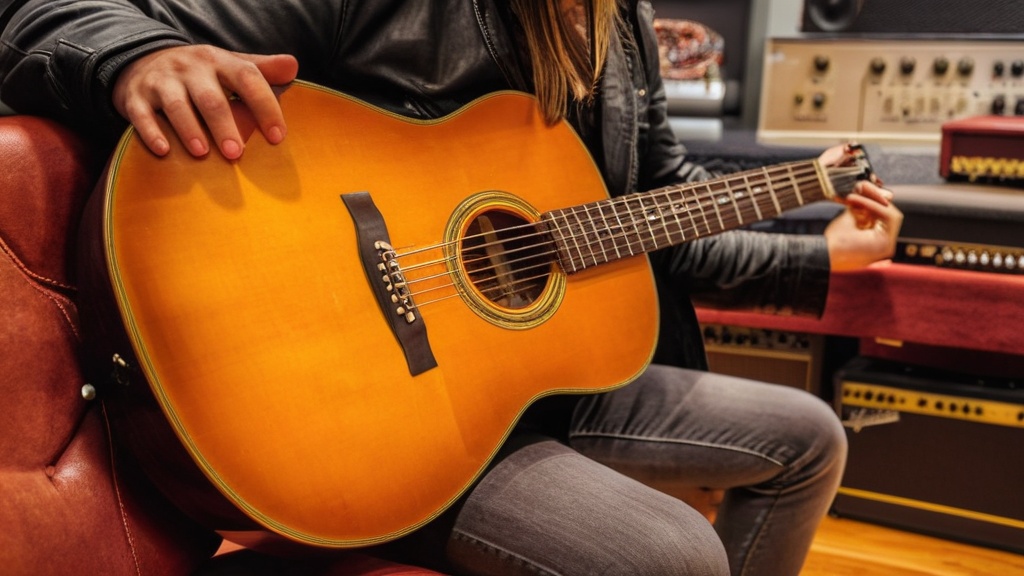
First of all, you obviously need a guitar. There are different kinds of guitars, such as acoustic, electric and classical guitars, so it is important to determine which type best fits your musical preference. You can find help with that choice in the best guitar to learn on and how much a good beginner guitar costs. A step-by-step plan for your first weeks, from choosing a guitar to your first chords, is in how to start guitar as an absolute beginner.
Playing Comfortably
You also need a guitar strap to carry the guitar comfortably around your neck while playing. Another essential part of your gear is a tuner. It is important to tune your guitar regularly to make sure the notes sound in tune.
Extras for a Good Start
A tuner can help you do this quickly and accurately. It is also handy to have a set of spare strings, in case a string breaks while you are playing. Finally, it is a good idea to get a few picks in different thicknesses, so you can experiment with different playing styles and sounds. A complete overview is in what you need to learn guitar at home.
Ready to Start
With this basic equipment you are well prepared to start learning the guitar.
Finding the Right Guitar Teacher or Teaching Method

Finding the right guitar teacher or teaching method is essential for a successful learning experience. If you choose private lessons, it is important to find a teacher who has experience teaching beginners and who can give instructions patiently and clearly. It is also important that you have a good rapport with your teacher, so you feel at ease during lessons and open to feedback and guidance.
If private lessons are not an option, there are also plenty of online teaching methods available, ranging from video tutorials to interactive apps. It is important to choose a method that suits your learning style and pace. Some people learn better by watching and listening, while others prefer to practice interactively. Also read can you learn guitar without a teacher.
It can also be useful to read reviews and recommendations from other students to get an idea of how effective a particular teaching method is. In short, finding the right guitar teacher or teaching method can have a big impact on your learning experience and progress.
Tips for Learning Guitar Chords and Reading Notes
| Topic | Tips |
|---|---|
| Learning guitar chords | Practice regularly with simple chords and slowly build up to more complex chords. |
| Reading notes | Take the time to learn to read notes and practice with simple melodies before moving on to more complex pieces. |
| Using resources | Use online tutorials, apps and books to help you learn guitar chords and read notes. |
| Consistency | Schedule regular practice sessions and stay consistent in your efforts to make progress. |
Learning guitar chords and reading notes can seem overwhelming at first, but with the right approach and practice you can master these skills. A handy tip is to start with simple chords and slowly build up to more complex chords. By practicing regularly and focusing on just a few chords at a time, you can learn to play them faster and more accurately.
When it comes to reading notes, it can be useful to start by learning the basics of music notation, such as the names of the notes and their positions on the staff. Then you can practice with simple melodies and pieces to get used to reading notes on the guitar neck. It is also handy to use online resources and apps that offer interactive exercises for learning to read notes on the guitar.
With patience and consistency, you can soon become comfortable playing chords and reading notes on the guitar.
Even With Small Hands, as a Left-Handed Player or Later in Life
The question of whether anyone can learn guitar is often about personal hurdles. Good news: for most hurdles there is a solution.
- Age: you are never too old. Read can you still learn guitar later in life and our beginner’s guide to guitar for seniors. For kids, read in what age to start learning guitar when they can start.
- Small hands or short fingers: a smaller guitar, lighter strings and smart fingerings help. See learning guitar with small hands.
- Left-handed: you can buy a left-handed guitar or learn to play right-handed. Read learning guitar as a left-handed player.
- Arthritis or limited mobility: a lot is possible with adjustments to posture, strings and playing time. See learning guitar with arthritis and playing guitar with limited mobility.
Common Pitfalls When Learning Guitar and How to Avoid Them
When learning to play the guitar, there are a number of common pitfalls beginners can run into. A common pitfall is trying to make progress too fast. It is important to be patient and set realistic goals for yourself. You can read about more pitfalls in avoiding mistakes while learning guitar.
It takes time and practice to build skill on the guitar, so try not to get too frustrated if you don’t sound perfect right away. Another pitfall is ignoring technique and posture. It is essential to learn good technique from the start, because bad habits are hard to unlearn. Exactly how much time it takes, you can read in how long does it take to learn guitar.
Make sure you sit or stand comfortably while playing, keep your wrists straight and pay attention to a relaxed grip on the neck of the guitar. Finally, a lack of consistency can be a pitfall when learning the guitar. Try to practice regularly, even if it is only for short periods, to make sure you keep making progress.
By avoiding these pitfalls, you can lay a solid foundation for your guitar playing.
The Importance of Consistency and Perseverance When Learning Guitar

Consistency and perseverance are essential when learning the guitar. As with any new skill, it takes time and practice to make progress. By practicing regularly, you can not only learn new skills, but also improve and refine existing ones.
It can be useful to set up a practice schedule and set specific goals for each practice session. For example, instead of simply “practicing”, you can set goals such as “learning a new chord” or “playing a song without mistakes”. By setting specific goals, you can practice in a more focused way and make progress.
Perseverance is also important in moments of frustration or stagnation. It is normal to get stuck now and then or to struggle with certain techniques, but perseverance can help you get through them. Stay motivated by celebrating small successes and remind yourself why you started learning the guitar.
With consistency and perseverance, you can eventually make big strides in your guitar playing.
The Joy of Playing Guitar and How to Fit It Into Your Daily Routine

The joy of playing the guitar cannot be overstated. Whether you enjoy playing well-known songs, writing your own music or just relaxing by strumming a few chords, the guitar can be a great source of joy and satisfaction. To get the most enjoyment out of playing the guitar, it is important to fit it into your daily routine.
A handy way to do this is to schedule regular practice at fixed times during the week. By keeping a fixed schedule, you can make sure practicing becomes a priority instead of something that gets squeezed out. You can also try to bring music into other aspects of your life, such as making music with friends or going to live gigs or open mic nights.
Finally, it is important to put enjoyment at the center of your approach to playing the guitar. Let go of perfectionism and simply enjoy the process of making music. By putting enjoyment first, you can make sure playing the guitar remains a lasting source of joy in your life.
Frequently asked questions: can anyone learn to play guitar?
What are the benefits of learning to play the guitar?
Playing guitar has several benefits, including improving hand-eye coordination, strengthening the fingers and stimulating creativity and expression.
Is it possible for anyone to learn guitar?
Yes, in principle anyone can learn to play guitar. It does require patience, practice and dedication.
Do I need musical talent to learn guitar?
No, you don’t need musical talent to learn guitar. With enough practice and perseverance, anyone can learn the basics of playing guitar.
What are the different ways to learn guitar?
There are different ways to learn guitar, including taking lessons at a music school, taking private lessons, using online tutorials and teaching yourself with instruction books. If you choose to teach yourself, start with one of the best guitar books for beginners.
What kind of guitar is best for beginners?
For beginners, it is generally recommended to start with an acoustic guitar, because it is easier to handle and doesn’t need extra equipment, such as an amplifier.
Am I too old to learn guitar?
No. You can learn guitar just fine later in life too. Your fingers may need a little more time to get used to it, but adults often have more patience and a clearer goal, and that helps. You’ll find relatable examples and milestones in these success stories of adult beginners.
Can I learn guitar with small hands?
Yes. Choose a guitar with a narrower neck or a smaller size, use lighter strings and have the guitar set up properly so the strings sit low above the fretboard. Many well-known guitarists don’t have big hands. If your fingers are broad, take a look at these tips for playing guitar with thick fingers.




Leave a Reply