
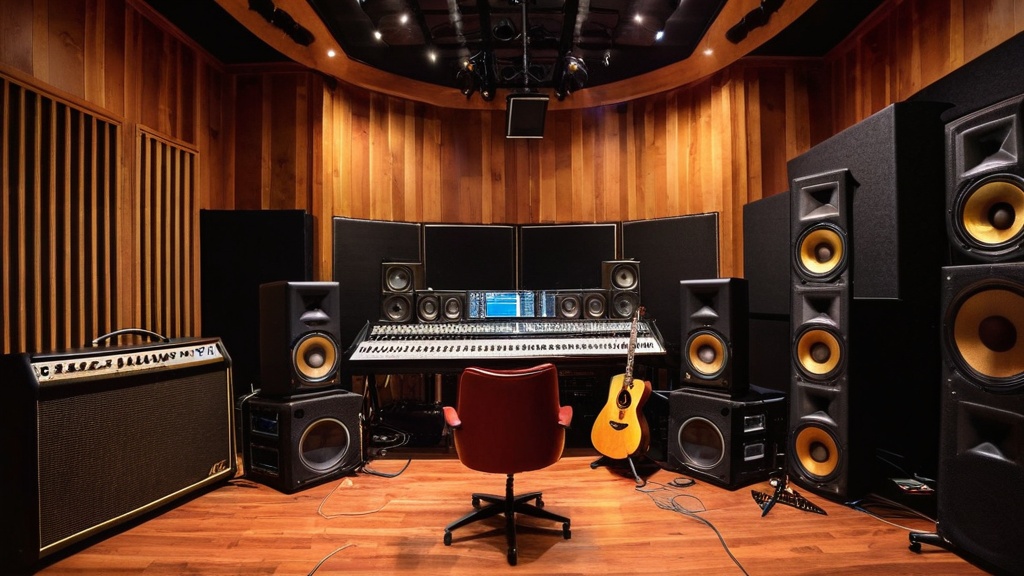

Playing guitar in a recording studio calls for a different approach than practicing at home or playing live. You walk in with a tuned, well-set-up guitar and songs you can play tightly, you choose the guitar, amp and microphone that suit the song together with the sound engineer, and you play every take consciously and relaxed. Below you will read what to watch for, step by step.
Going into the studio well prepared
Before you step into the studio to record your guitar, it is crucial to be well prepared. This starts with choosing the right songs you want to record. Take the time to select your repertoire and make sure you have mastered every song down to the last detail.
This means not only knowing the chords and melodies, but also thinking about the emotion and the message you want to convey. It is a good idea to practice your songs a few times with a companion or bandmate, so you can get feedback and identify any weak spots. It is also important to have your guitar and accessories in top condition.
Check that your strings are in good shape and that your guitar is properly set up. A well-set-up guitar gives better intonation and playability, which is essential for a successful recording. Do not forget to bring extra strings, picks and possibly a capo to the studio. How often that is needed is covered in how often to have your guitar set up.
By making these preparations, you make sure you are confident and ready to play when the moment comes.
Summary
- Prepare well and tune your guitar before the recording session
- Choose the right guitar and amp for the sound you want
- Focus on good guitar technique and tone production for a quality recording
- Use effects and pedals in moderation and in line with the song
- Work with the sound engineer to achieve the guitar sound you want
Choosing the right guitar and amp for the recording session
The choice of guitar and amp can have an enormous impact on the end result of your recording. Depending on the genre you play, a certain guitar may suit the sound you want better. For rock music, for example, an electric guitar with humbuckers can give a more powerful sound, while an acoustic guitar is perfect for folk or singer-songwriter styles. If you would rather record at home as a singer-songwriter, take a look at these simple recording tips for vocals and guitar.
Take the time to try different guitars and choose the one that best suits your playing style and the song. The amp is just as important. The right amp can transform the tone of your guitar and create a unique atmosphere. What the knobs and channels do exactly is explained in how a guitar amp works.
Think about the settings you want to use and how they contribute to the overall sound. It can also be useful to experiment with different microphones to see which works best for your guitar and amp combination. Do not forget that the studio often has various equipment available, so do not be afraid to ask the sound engineer for advice on what might work best. If you are recording acoustic, also look at which microphone to use for an acoustic guitar.
The importance of good guitar technique and tone production in the studio
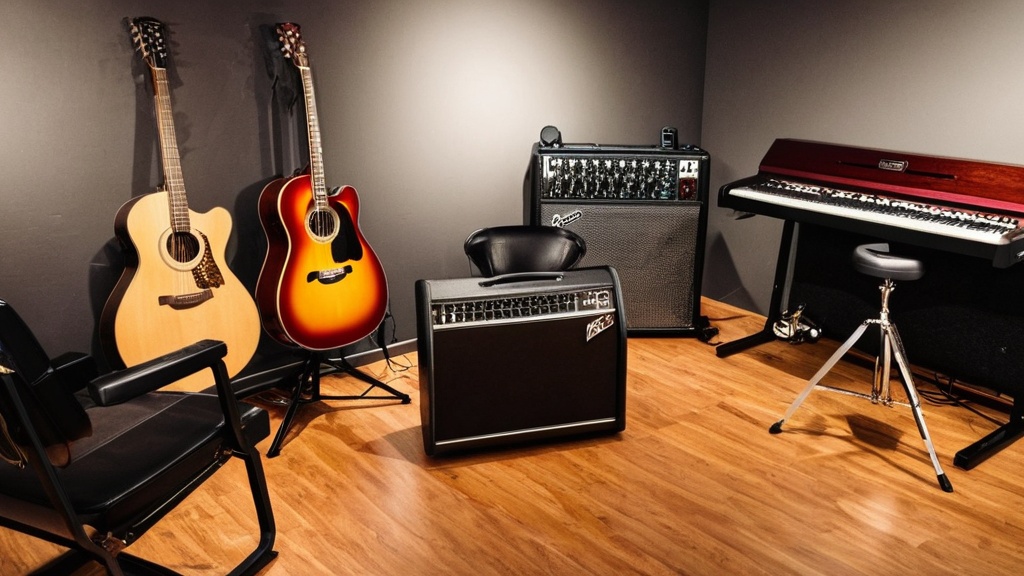
Solid guitar technique is essential for a successful recording. This means you need not only to be able to play, but also to understand how to shape your tone. Tone production covers everything from fingering to dynamics and articulation. How to consciously learn to play soft and loud is covered in these exercises for more dynamics on guitar.
In the studio you often have less room for mistakes than during live performances, so it is important to play every note with precision. Practice regularly to improve your technique and make sure you are comfortable with all the passages in your songs. It is also important to pay attention to how you shape your sound.
This can mean applying different playing techniques, such as fingerpicking or strumming, depending on what the song calls for. You can also experiment with different ways of attacking the strings, such as playing harder or softer, to create variation in your tone. These nuances can make a big difference in how your music comes across in the studio.
Using effects and pedals when recording guitar
Effects and pedals can make a world of difference to the sound of your guitar recordings. From reverb to delay and distortion, every effect can add a unique atmosphere to your music. It is important to think before the recording session about which effects you want to use and how they fit the songs you are going to record. If you are still new to pedals, start with these tips for effects pedals.
Try different combinations to see what works best for your style and sound. During the recording session it is also useful to be flexible with your use of effects. Sometimes an effect that did not seem right at first can fit a certain passage or mood in the song perfectly.
Be willing to experiment and let yourself be surprised by what is possible with different sounds. Do not forget that less is sometimes more; overusing effects can lead to a messy mix, so choose carefully which effects really contribute to the music.
Working with the sound engineer to achieve the guitar sounds you want
Good collaboration with the sound engineer can make the difference between an average recording and a great one. The engineer often has a lot of experience and knowledge about how different sounds can be captured, so be open to their suggestions and advice. Before the session, discuss your vision for the layering and texture of the guitar sounds you want to achieve.
During the recording session, communication is essential. Let the engineer know what you do and do not like about the sounds being captured, so they can adjust their approach. Also be willing to work together on adjusting microphones and amps to get the best sound.
By working together, you can make sure your guitar recordings sound exactly the way you want them to. If you want to understand what happens to your tracks after recording, read how to mix guitar recordings.
Practice to a click beforehand
In most studios you record to a click: a metronome in your headphones that fixes the tempo. That way different takes and instruments can be combined and edited neatly later. If you never play with a metronome at home, it will feel unfamiliar in the studio. So practice your songs beforehand at the tempo you are going to use, slowly at first and then at full speed. You will find a step-by-step plan in learning guitar with a metronome.
Tips for playing guitar in a recording studio to get the best results
To get the best results when recording guitar, there are some practical tips you can follow. First, make sure you are well rested before you start recording. Fatigue can lead to sloppy technique and less focus, which can show negatively in your recordings.
Take enough breaks between takes to refresh yourself. It is also important not to put yourself under pressure while recording. Try to stay relaxed and enjoy the process.
If something does not go well right away, do not be afraid to record again or make adjustments. Recording music is often a process of trial and error, so give yourself room to experiment and make mistakes.
Common challenges when recording guitar and how to overcome them
Various challenges can come up when recording guitar, such as technical problems or difficulty playing under pressure. A common problem, for example, is that you can get nervous when you know everything is being captured. To overcome this, it can help to do some relaxation exercises or breathing techniques before the session. That is a form of stage fright, and the same breathing and preparation help in the studio too.
In addition, technical problems such as unwanted noise or feedback can occur during recording. Make sure you are familiar with the equipment you use and ask the sound engineer for help if needed. It is also useful to do a sound check before the session, so any problems can be solved early. You will find practical solutions in recording guitar without noise.
The importance of practicing and experimenting with different techniques for recording guitar in the studio
Practice makes perfect, especially when it comes to recording guitar in the studio. By practicing regularly, you develop not only your technique but also your ability to be creative with sounds and styles. Try different playing techniques, such as fingerstyle or hybrid picking, and experiment with various tone settings on your amp or effects pedals.
Experimenting with different recording environments is also valuable. Try making recordings in different rooms or with different microphone setups to discover what works best for your music style. Through this variation in practice and experimentation, you can create unique sounds that set your music apart from others. You can already start at home if you set up a simple home studio.
By keeping these guidelines in mind, you will be better prepared for your next studio recording session. With careful preparation, collaboration with professionals and an open mind for experimentation, you can add layering and depth to your guitar recordings, resulting in an end product you can be proud of.
If you are interested in learning to play guitar in a recording studio, it is also useful to learn more about the different types of guitars you can use. A related article that can help you with this is Everything You Need to Know About Electric Guitars. This article offers a comprehensive overview of the various aspects of electric guitars, which can be essential for making the right choice when recording in a studio. Understanding the nuances of your instrument can make a big difference to the quality of your recordings.
Frequently asked questions about playing guitar in a recording studio
What is a recording studio?
A recording studio is a professional space where musicians, bands and artists can record their music. It is equipped with special equipment and technology to record, edit and mix sound.
What are the benefits of recording guitar in a recording studio?
Recording guitar in a recording studio offers professional sound quality, access to high-end equipment and technical support. It can also result in a better end product and offers the chance to work with experienced sound engineers.
What preparations are needed for recording guitar in a recording studio?
For recording guitar in a recording studio, it is important to bring the right equipment, such as the guitar itself, amps, effects pedals and any other accessories. It is also handy to know the songs well and possibly record a demo to make the studio session run efficiently.
What are some tips for recording guitar in a recording studio?
Some tips for recording guitar in a recording studio are: tune your guitar well, experiment with different microphone positions to get the sound you want, take enough time for sound checks and be open to the sound engineer’s suggestions. If your guitar keeps drifting out of tune during long recording sessions, look at the causes of a guitar that goes out of tune.
What does it cost to record guitar in a recording studio?
The cost of recording guitar in a recording studio can vary depending on factors such as the studio’s location, the length of the recording session, the experience of the sound engineer and the equipment needed. It is advisable to ask for a quote in advance.
Should I bring my own guitar and amp to the studio?
Do bring your own guitar in any case, because that is what you are surest to play well. Whether you also bring your amp and pedals, you arrange with the studio beforehand: many studios have their own amps and microphones set up. Ask in good time, so you know what to pack.
Can you record an electric guitar without an amp?
Yes, via a DI box or audio interface you record the dry guitar signal directly. That signal can later be sent through an amp or amp simulation (reamping), so the tone can still be adjusted afterward. Many engineers therefore record a DI signal alongside the microphone on the amp.



Leave a Reply