
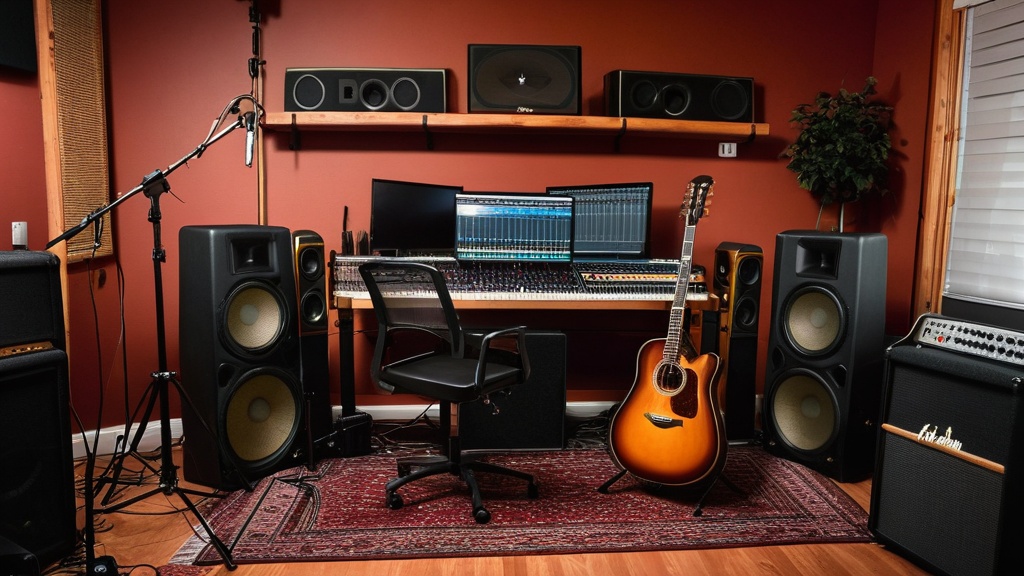

As a singer-songwriter, you can record very well at home with a few simple recording tips. Start with a microphone that suits your voice, a quiet room with soft materials and a pop filter against plosive sounds. Record guitar and vocals at the same time or one after the other, find a good balance between voice and instrument, and finish your recording with a bit of EQ and compression.
Choosing the Right Microphone for Your Voice
When you start recording, choosing the right microphone is crucial. Not every microphone suits every voice, and it’s important to understand what makes your voice unique. Think of pitch, timbre and even the emotion you want to convey.
A dynamic microphone, for example, can work well for powerful vocals, while a condenser microphone is often better for subtle nuances and detail. It’s a good idea to try several microphones and listen to how they capture your voice. This can make a world of difference to the final sound quality of your recordings.
It’s also important to consider the recording environment. Some microphones are more sensitive to background noise than others. If you record in a noisy room, a microphone with a cardioid (heart-shaped) pickup pattern, which mainly picks up sound from the front, can help minimize unwanted noise.
Remember that the right microphone should not only capture your voice but also fit the style of music you make. Take the time to experiment and find out which microphone suits you best. If you also record your acoustic guitar, read which microphone to use for acoustic guitar.
Summary
- Choose a microphone that suits your voice and what you’re recording
- Make sure the recording room has good acoustics to ensure quality recordings
- Look for recording gear that meets your needs and budget
- Use a pop filter to avoid unwanted noise and plosives while recording
- Find the right balance between instruments and voice for a balanced recording
Record Guitar and Vocals Together or Separately?
As a singer-songwriter you have two options. If you record guitar and vocals together, the performance often sounds natural and you play the way you do live. The downside: the vocals also end up in the guitar microphone and the other way around, so it’s harder to edit them separately afterward. In that case, use two microphones, one on your voice and one on the guitar, and aim them so they pick up each other as little as possible.
If you record them separately, you play the guitar first, possibly to a click, and then sing over headphones. That way you can improve and re-record each part on its own. Recording your own songs? In writing your first song on guitar you can read how to build a song like that.
Why Good Acoustics Matter in Your Recording Room
The acoustics of your recording room play an essential role in the quality of your recordings. A room with poor acoustics can lead to unwanted reverb and echoes, which can reduce the clarity of your voice and instruments. It’s important to think about how you can improve the room.
You can do this with sound-absorbing materials such as foam, curtains or even special acoustic panels. By placing these strategically, you can improve the sound quality considerably. It’s also useful to experiment with the layout of your recording space.
Try different positions for your microphone and instruments to see how it affects the sound. Sometimes a small adjustment in position can make a big difference. Don’t forget that good acoustics matter not only for vocals but also for instruments.
A well-arranged room makes everything come together in harmony, resulting in a more professional-sounding final product. You’ll find tips for a complete recording corner in setting up a home studio for guitar players.
Tips for Finding the Best Recording Gear Within Your Budget
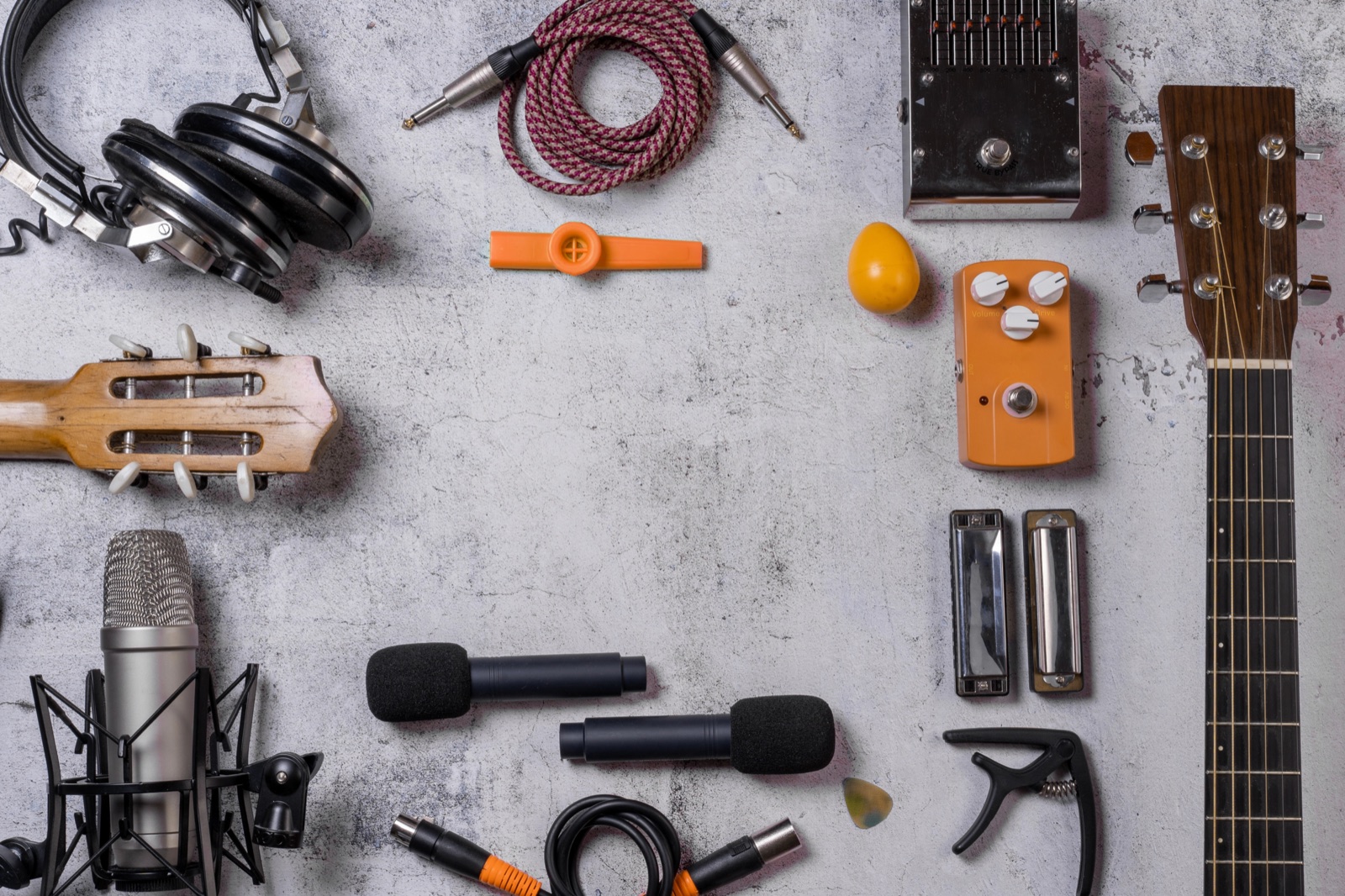
Choosing recording gear can feel overwhelming, especially if you have a limited budget. Fortunately, there are plenty of options that are both affordable and high quality. Start by deciding what you really need.
A good microphone and audio interface are often the most important investments for a home studio. Look at brands known for good value for money and read reviews to make an informed choice. There are also many secondhand options you can consider. You can read how to connect an interface in using an audio interface with your guitar.
Many musicians sell their gear when they upgrade, and this can be a great chance to pick up high-quality equipment at a lower price. Always check that everything works properly before you buy. By shopping smart and setting priorities, you can build a great setup without going over budget.
Why Using a Pop Filter While Recording Matters
A pop filter is a simple but effective tool that helps reduce unwanted plosive sounds while recording. These plosives often occur when you pronounce consonants like “p” and “b”, and they can be distracting in your recordings. By placing a pop filter between your microphone and yourself, the airflow that causes these sounds is dampened, resulting in a cleaner sound.
Using a pop filter is not only practical, it can also help boost your confidence while recording. When you know your sound will come across clear and professional, you can concentrate better on the emotion and expression of your singing. This small tool can make a big difference to the quality of your recordings and is definitely worth the investment.
How to Find the Right Balance Between Instruments and Voice in Your Recordings
A good balance between instruments and voice is essential for a successful recording. The goal is to make sure every element in the mix is clearly audible without one aspect dominating. Start by recording the basic instruments and make sure they sound good before you add the vocals.
It can help to make a rough mix first in which you put the instruments in place, so you have a clear idea of how everything fits together. While mixing, it’s important to pay attention to the frequencies of each instrument and how they relate to those of the voice. Sometimes you need to lower or raise certain frequencies to make room for the vocals.
Use EQ (equalization) to make these adjustments and listen carefully to how each element relates to the others. Finding the right balance takes time and patience, but the result will definitely be worth the effort.
Tips for Recording Multiple Tracks to Create a Full Sound
Recording multiple tracks is a great way to add depth and richness to your music. Start by recording the basic instruments, such as guitar or piano, and slowly build on that with extra layers like backing vocals or additional instruments. Make sure each layer is well layered and that they complement each other without overshadowing one another.
A handy technique is to vary the recordings of the same part, such as using different harmonies or rhythms. This adds more texture to your music and makes the whole sound more dynamic. Don’t forget to listen back to what you’ve recorded regularly. This helps you stay objective about what works and what doesn’t. If you record your tracks separately, play to a click; practicing with a metronome helps you get used to that.
With patience and creativity you can create a full sound that really makes an impression.
The Benefits of Working With an Experienced Sound Engineer During Recording Sessions
Bringing in an experienced sound engineer can be a game changer for your recording sessions. A professional has not only technical knowledge but also experience handling the different situations that can come up while recording. They can offer valuable insights into how to optimize your sound and can help solve problems that arise during the process.
A sound engineer can also act as a fresh set of ears while mixing and mastering your music. Sometimes you’re so involved in your own work that it’s hard to judge its quality objectively. An expert can give feedback that helps you take your music to a higher level.
Investing in their expertise can ultimately result in a more professional end product that fits your artistic vision better. You can read how such a session goes in playing guitar in a recording studio.
How to Improve Your Recordings With Simple Mixing and Mastering Tips
Mixing and mastering are crucial steps in the recording process that beginners often overlook. A good mix makes sure all the elements of your music come together well, while mastering makes sure your song is ready for distribution and sounds good on different playback devices. Start by setting the levels of each track; make sure nothing is distorted or too quiet.
Use EQ to cut unwanted frequencies and make room for each element in the mix. Compression can also be useful to keep dynamics under control and make sure everything works well together. Don’t forget to take regular breaks while mixing; this helps prevent fatigue and keeps your ears fresh for your music. You’ll find more explanation in mixing guitar recordings for beginners.
By applying these simple tips, you can improve your recordings considerably and make them sound like professional productions. Recording can be challenging, but with the right knowledge and tools you can create beautiful music that reflects your unique voice. Whether it’s choosing the right microphone or optimizing your recording environment, every step contributes to the end result.
Keep experimenting, learning and growing as an artist; in the end, your dedication will pay off in music that moves both you and your listeners. If you want to follow the whole process step by step, read how to record your guitar playing at home.
If you’re looking for simple recording tips for singer-songwriters, it also helps to improve your guitar skills. A related article that can help with this is Using a capo on the guitar. This article offers valuable insights into how to use a capo effectively to enrich your guitar playing, which can benefit your recordings as a singer-songwriter. By refining your technique, you can add more variety and depth to your music, which is essential for creating engaging and professional recordings. A recording only sounds convincing when vocals and playing fit together well, so also read how to learn singing and playing guitar at the same time. For inspiration, the guitar style of Ed Sheeran shows how a singer-songwriter builds a full sound with a capo, percussive strikes and loops.
Frequently asked questions about recording as a singer-songwriter
What are some simple recording tips for singer-songwriters?
Some simple recording tips for singer-songwriters include choosing a quiet recording location, using a quality microphone, making sure the acoustics are good, and experimenting with different recording techniques.
What equipment do singer-songwriters need for recording?
For recording, singer-songwriters need equipment such as a quality microphone, an audio interface, a computer or recorder, headphones, and possibly a MIDI keyboard.
Why are good acoustics important when recording?
Good acoustics are important when recording because they affect the quality of the recording. A room with good acoustics produces a clear and balanced sound, while poor acoustics can lead to unwanted reverb or dullness in the recording.
Which recording techniques can singer-songwriters use?
Singer-songwriters can use various recording techniques, such as close-miking for an intimate sound, stereo recording for a spacious effect, and overdubbing to record different instruments or vocals separately and combine them in the mix.
What are some tips for mixing recordings?
Some tips for mixing recordings include using equalizers and compressors to shape the sound, panning instruments for a balanced mix, and adding reverb for depth and atmosphere. If you want to know what reverb, delay and distortion do to your tone, see the explanation of guitar effects.
Should I record to a click?
A click (metronome) in your DAW is handy if you record tracks separately or add instruments later, because everything then locks together tightly. If you record a slow song in one take, the tempo can be looser and a click isn’t needed.
Can I record a demo with my phone?
Yes, your phone is fine for capturing an idea or a quick demo. Find a quiet room and hold the phone about an arm’s length from your guitar and mouth. For a recording you want to release, you’re better off choosing an audio interface with a separate microphone.



Leave a Reply