


To combine slides and legato in solos, pick one note and make the following notes with your fretting hand: hammer-ons and pull-offs for small steps, slides to change position. That makes a phrase sound smooth and singing, and you glide across the neck almost without noticing. Start with short phrases in one scale and only speed up once every note sounds equally clear.
What is legato playing?
Legato playing is a technique that is common in the world of guitar and other musical instruments. It refers to playing notes smoothly and connected, where each note flows seamlessly into the next without a clear break or pause. This is often achieved with techniques such as hammer-ons and pull-offs, where you sound the notes with your fingers on the neck of the guitar without using the pick. You can find focused exercises for this in practicing hammer-ons and pull-offs for solos.
The result is a smooth, melodic sound that can captivate the listener. When you play legato, it is important to pay attention to the dynamics and articulation of each note. That means you don’t just play the notes, you also think about how you want them to sound.
A well-executed legato technique can give a solo a whole new dimension, making it not only technically impressive but also emotionally gripping. It is a technique used in many styles of music, from rock to jazz and classical, and it can enrich your playing considerably.
Summary
- Legato playing is a technique where notes are played smoothly and connected, without breaks between the notes.
- Slides are important in solos because they create a smooth transition between notes and add expression to the music.
- To combine slides and legato, guitarists can use hammer-ons, pull-offs and vibrato to create a smooth and expressive solo.
- Practice slides and legato with slow, controlled movements and focus on the timing and articulation of each note.
- Common mistakes when combining slides and legato are moving too fast, lack of control and inaccurate timing.
- Slides and legato can be used in different music styles, such as blues, jazz, rock and metal, and add expression to solos.
- You can create expression and emotion with slides and legato by using dynamics, vibrato and note bending to convey feeling.
- Examples of well-known guitarists who combine slides and legato in solos are Joe Satriani, Steve Vai, Jimi Hendrix, Eric Johnson and Eddie Van Halen.
The importance of slides in solos
Slides are another essential technique you can use to improve your guitar playing. A slide means gliding from one note to another without picking the string again. This creates a smooth transition between the notes and adds an expressive quality to your playing. If you don’t know the basics yet, start with learning slides and bends on electric guitar.
Slides can range from subtle movements to dramatic transitions, depending on the musical context and your personal style. Using slides in solos can be a powerful way to convey emotion. When you apply a slide, it seems as if you are literally “pulling” the notes, which can help increase the intensity of a musical passage.
This makes slides especially effective in solos where you want the music to feel like a story being told. By combining slides with legato techniques, you can create a unique sound that is both technically challenging and musically satisfying.
Techniques for combining slides and legato
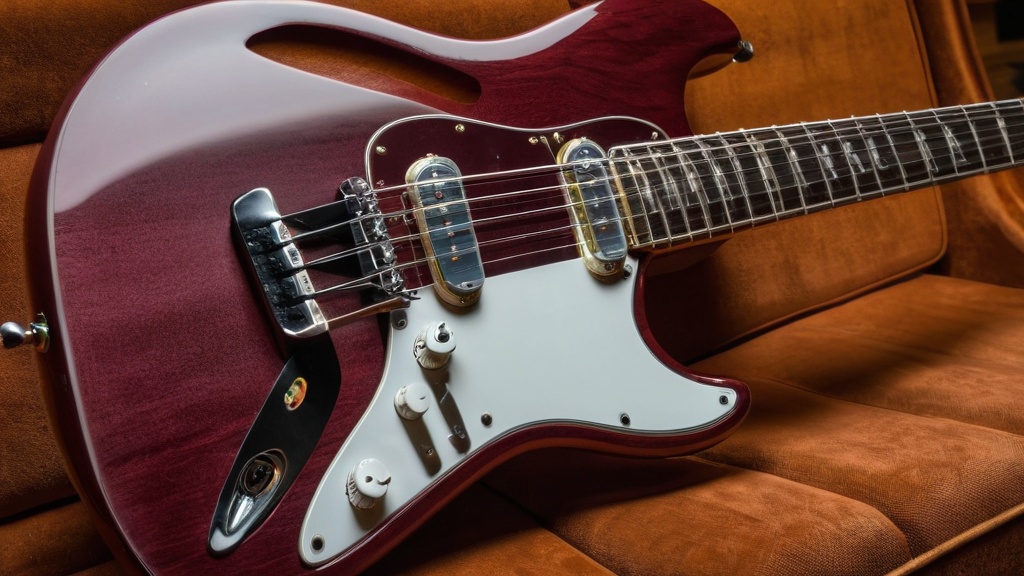
Combining slides and legato can be challenging at first, but with the right techniques you can integrate these two elements seamlessly into your playing. One effective way to do this is to start with a legato passage and then add a slide at the end or the beginning of that passage. This can make the transition between notes even smoother and adds an extra layer of expression to your playing.
Another technique is to use slides as a transition between different legato phrases. For example, when you play a series of notes with legato, you can use a slide to move to a new scale or chord. This not only creates variety in your playing but also helps strengthen the musical structure.
It is important to experiment with different combinations and listen to how they come together in your music.
Basic exercise: slides and legato in the A minor pentatonic scale
These short phrases only use notes from the A minor pentatonic scale (A, C, D, E and G). In each phrase, pick only the first note; make the rest with your fretting hand. If you add the Eb, you are playing the A blues scale, with its typical blue note. The same notes also form the basis of blues improvisation on guitar over a 12-bar blues in A.
- Ascending on the G string: pick fret 5 with your index finger, hammer on to fret 7 with your ring finger, slide with that same finger to fret 9 and pull off to fret 7, where your index finger is now ready.
- Descending on the G string: pick fret 9 with your ring finger, slide to fret 7 and pull off to fret 5 with your index finger.
- On the B string: pick fret 5, hammer on to fret 8 and slide to fret 10. Let the last note ring out, perhaps with some vibrato.
Play each phrase very slowly at first and listen to whether all the notes sound equally loud. Once that goes well, join the phrases together into a short lick. If you want to get more out of this scale, read how to improvise with the pentatonic scale.
Tips for practicing slides and legato in solos
Practice makes perfect, and that certainly applies to mastering slides and legato techniques. Start by isolating each technique before you combine them. First practice legato passages with hammer-ons and pull-offs until you can play them smoothly.
Once you feel comfortable with legato, start adding slides to those passages. This can be a bit hard at first, but with patience and perseverance you will find it feels more and more natural. A useful exercise is to start slowly by playing a simple melody and gradually add speed while applying both slides and legato.
Use a metronome to challenge yourself and make sure every note sounds clear and distinct, even at higher speeds. Don’t forget to take regular breaks so you don’t overload yourself; this also helps prevent frustration and keeps practicing fun. You can read how to raise your tempo step by step in practicing fast solos with a metronome.
Common mistakes when combining slides and legato
When combining slides and legato, musicians often run into a few common mistakes. One is not executing the slides well, so they sound unnatural or jerky. It is crucial to apply the right pressure on the string while sliding, so the transition runs smoothly.
If you notice that your slide doesn’t sound good, try playing more slowly and focus on the technique before adding speed again. Another common mistake is forgetting to pay attention to dynamics while playing. Both slides and legato require attention to how loudly or softly you play each note.
It can be tempting to focus only on technique, but without emotion and dynamics your playing can feel flat and less engaging. Consciously experiment with different dynamic levels while you practice, so you learn how to use these techniques to add expression to your music.
Using slides and legato in different music styles
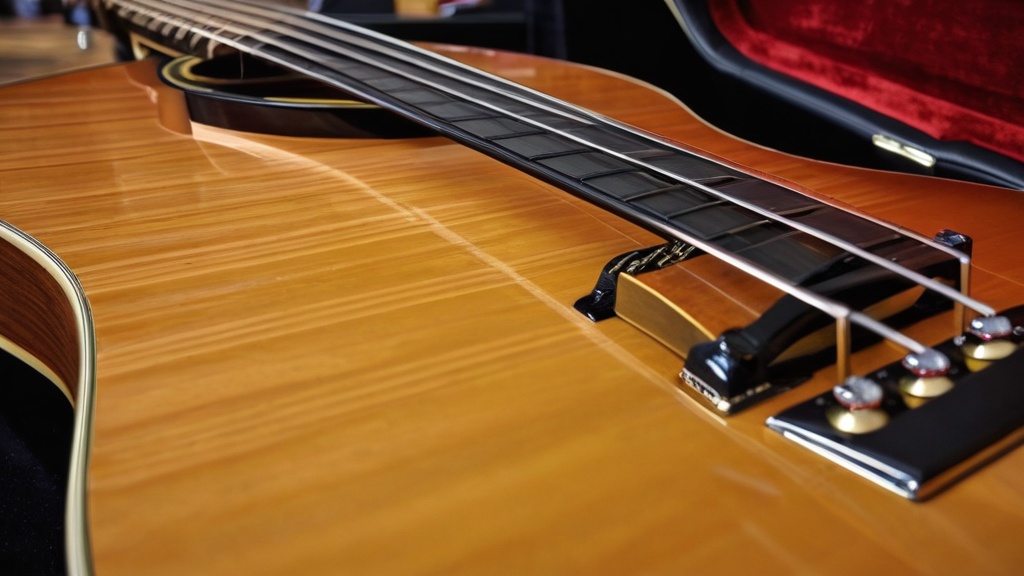
Slides and legato are versatile techniques that can be used in nearly every music style. In rock music, for example, these techniques are often used to create powerful solos that radiate emotion and energy. Think of guitarists like Jimi Hendrix or Eric Clapton, who make masterful use of slides to give their solos extra flair. If you want to explore that style yourself, read how to play like Jimi Hendrix.
In jazz, on the other hand, slides and legato can help play complex melodies in a more expressive way. Jazz guitarists often use these techniques to make improvisations smooth and dynamic, which lets them develop their own unique voice within the music. Using slides and legato in different styles can not only improve your technical skills but also increase your musical versatility. If you want to use slides and legato in several genres, read how to improvise in different styles.
Creating expression and emotion with slides and legato
One of the most beautiful aspects of playing guitar is the ability to convey emotion through music. Slides and legato are powerful tools to strengthen that expression. By using these techniques carefully, you can evoke feelings such as joy, sadness or even nostalgia in your listeners.
The secret lies in understanding how each technique contributes to the overall musical message you want to convey. For example, if you are playing a melancholy melody, a slow slide up to a higher note can help increase that emotional impact. Likewise, a fast legato passage with powerful slides in an energetic rock solo can create a sense of excitement and intensity. If you finish a slide like that with good vibrato technique, the final note sounds even more expressive.
It is important to challenge yourself to be not only technically skilled but also to explore the emotional depth of your music.
Well-known guitarists who combine slides and legato in solos
There are countless guitarists who give excellent examples of how slides and legato can be combined effectively in their solos. Take Joe Satriani, for instance, whose virtuoso playing style often uses both techniques to create complex melodies that are both technically impressive and emotionally resonant. His songs often contain long legato passages interrupted by powerful slides, which creates a dynamic contrast.
Another example is John Mayer, who is known for his bluesy style in which he regularly applies slides and legato in his solos. His ability to bring these techniques together makes his music recognizable and full of emotion. By listening to these artists and studying their techniques, you can find inspiration for your own playing and learn how to integrate slides and legato in a way that feels authentic to you as a musician. You can read more about his approach in the guitar style of John Mayer.
If you are interested in combining slides and legato in solos, it is also worth considering how you can develop your guitar skills further. A related article that can help is Learn electric guitar online for free. This article offers valuable tips and techniques for improving your electric guitar playing, which can be essential for refining your solos and applying slides and legato effectively. By mastering these techniques, you can take your musical expression and technical skills to a higher level.
Frequently asked questions about slides and legato
What is legato playing?
Legato playing is a technique on a stringed instrument where the notes flow smoothly into each other, without breaks between the tones. This is achieved by using the fretting hand to connect the notes, instead of the pick or the bow.
How can I combine slides and legato in solos?
To combine slides and legato in solos, you can start by playing legato, letting notes flow into each other using your fretting hand. Then you can add slides by gliding a finger of your fretting hand along the string to a higher or lower fret. This can create a smooth and expressive solo.
What are the benefits of combining slides and legato in solos?
Combining slides and legato in solos can create a more expressive and fluid playing style. It can help you play the notes with more feeling and give the solo more dynamics. It can also create a unique and interesting tone color in the music.
Are there specific techniques I need to master to combine slides and legato?
To combine slides and legato in solos, it is important to have the techniques of legato playing and slides well under control. It is also useful to work on the coordination between your left and right hands, so you can perform slides and legato smoothly. Practice and patience are important here.
Is a slide in a solo the same as slide guitar?
No. With a slide in a solo, you glide your finger across the string from one fret to another. With slide guitar, you use a glass or metal tube (a bottleneck) that you move across the strings. You can read more about that in learning slide guitar.
Do you pick every note with the pick when playing legato?
No, usually you only pick the first note of a phrase. You make the following notes with hammer-ons, pull-offs and slides with your fretting hand. The less you pick, the smoother the phrase sounds.




Leave a Reply