


Playing guitar with a drummer and bassist works best when you lock in with the kick drum and snare, leave room for the bass and listen closely. The drummer provides the pulse, the bassist lays the foundation with the root notes, and you fill in with chords, riffs and melodies, often higher up the neck and not too loud.
Below you can read how to fit those roles together, with 7 practical tips for the first rehearsals. You will find more about life in a band in our tips for playing guitar in a band.
Why playing together teaches you so much
Playing together is the foundation on which every successful band is built. When you make music with others, a unique dynamic emerges that strengthens not only the sound, but also the relationships between you. It is not just a matter of notes and chords; it is about creating a shared experience.
You get to know each other, both musically and personally, and that strengthens the bond. The interaction between band members can lead to new ideas and inspiration, which is essential for the development of your music. It is also important to realize that playing together means you have to make compromises. You will find more sources of new ideas in finding inspiration to keep going with guitar.
Everyone has their own style and preferences, and it is crucial to be open to what others bring. That can be challenging at times, but the result is often a richer and more diverse musical experience. By playing together, you learn not only from each other, but also how to grow as a group.
It is this collaboration that lays the foundation for a strong band and an unforgettable musical journey.
Summary
- Playing together is the basis of a good band
- Communication and timing are essential for a tight sound
- Listening to each other while you play is of great importance
- The guitar, drummer and bassist can strengthen each other
- Tips for finding a good balance in the band
Communication and timing: essential for a tight sound
Communication within a band is invaluable. It is not just about exchanging ideas, but also about adjusting your playing to what others are doing. Timing is crucial here; a good sense of rhythm and synchronization can make the difference between an average and a great performance. How to train that sense is covered in developing a sense of timing on guitar.
When the band members communicate well, you can feel each other better and respond to what happens while you play. This results in a tighter sound and a more cohesive musical experience. Developing these communication skills takes practice and patience.
During rehearsals, it is important to focus not only on the technical aspects of playing, but also on how you work with each other. Try to give signals, both verbal and non-verbal, to help each other keep the right timing. These can range from eye contact to hand gestures.
By building these techniques into your rehearsals, you will notice that you become more and more in sync as a band.
Why listening to each other while you play matters
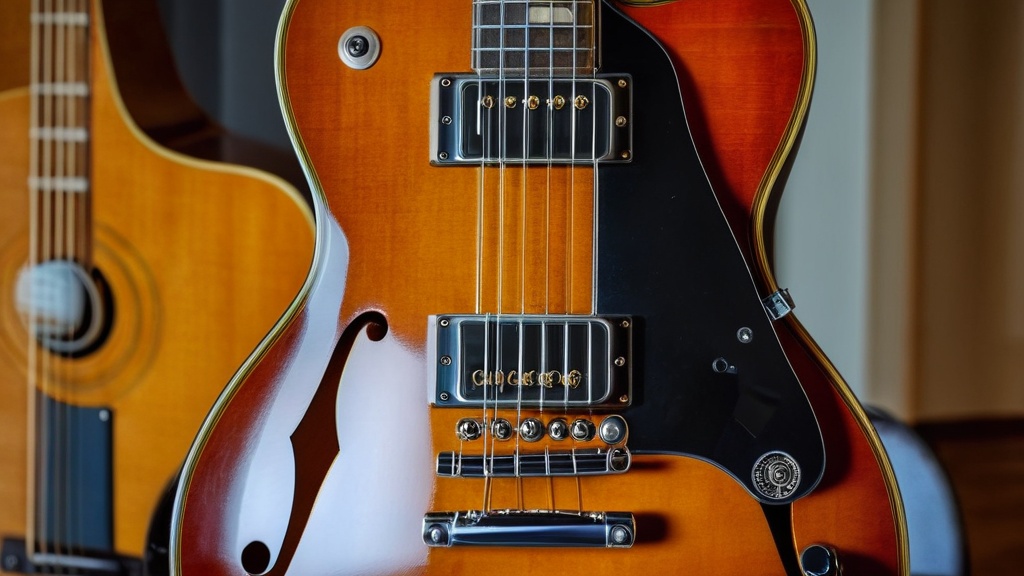
Listening may well be the most important skill you can develop as a musician. It is not only about hearing your own instrument, but also about understanding what the other band members are doing. When you listen actively, you can respond better to their playing and create a harmonious whole together.
This means you should not only focus on your own part, but also pay attention to the dynamics and the emotion that others bring. Active listening also helps solve any problems that may come up while playing. If you notice that someone is struggling with a certain section, you can respond right away, for example by adjusting your volume or changing your playing style.
Adjustments like these can improve the overall sound of the band and make for a more cohesive performance. By supporting each other and listening, you create an environment in which everyone feels free to express their creativity.
How the guitar, drummer and bassist can strengthen each other
In a band, the roles of the guitar, drummer and bassist are crucial for creating a powerful sound. The guitarist often brings melodies and chords, while the bassist provides the foundation with a solid bass line. The drummer adds rhythm and energy. If you mostly play other people’s songs, also read how to play guitar in a cover band.
When these three elements are well matched, a dynamic whole emerges that can move the audience. Good collaboration between these instruments can lead to innovative musical ideas. The bassist can, for example, introduce variations in their playing that inspire the guitarist to create new melodies.
The drummer can adapt their rhythms to the bass line, creating a unique groove that benefits the whole band. By being open to each other’s input and strengthening one another, you can take your band to new heights.
7 practical tips: how to play tight with drums and bass
- Agree on the tempo. Have the drummer count in and quietly count along at the start. If that does not come naturally yet, first read how counting rhythm on guitar works.
- Listen to the kick drum and the snare. They set the pulse. Lock your most important strums to them instead of to your own feel.
- Leave room for the bass. The bass guitar sounds an octave lower than your four lowest strings. So do not keep playing full chords on the low strings, but also try chords higher up the neck.
- Use dynamics. For example, play verses with palm muting and save full chords for the chorus. You will find more ideas in ways to play with more dynamics.
- Keep your volume under control. Set your amp so that you can still clearly hear the vocals, the bass and the snare.
- Follow the drummer at transitions. A drum fill often announces a new section, such as the chorus. Agree on the form of the song beforehand, so you all change at the same time.
- Record your rehearsals. A recording with your phone shows whether you are ahead of or behind the beat and whether your guitar drowns out the bass.
Playing in a trio: as the only guitarist next to drums and bass
In a trio with just guitar, bass and drums, you are usually the only instrument playing chords. When you start a solo, most of the harmony drops away. Here is how to keep the sound full:
- Have the bassist play a bit fuller or more actively during your solo, so the song keeps its foundation.
- In your solo, use double stops (two notes at the same time) and short chord fragments between your melody lines.
- Occasionally play riffs in the same rhythm as the bassist; that sounds powerful and tight.
- A slightly fuller sound, for example with some overdrive or a short delay, fills the space without you having to play louder.
Tips for finding a good balance in the band
Finding a good balance within the band is essential for successful collaboration. This means everyone should be able to make their voice heard, but also that there has to be room for compromise. One way to achieve this is to hold regular feedback sessions in which each member can share their opinion on what is going well and what could be better. If you also play with a second guitarist, take a look at these tips for playing with other guitarists.
This not only improves communication, but also helps create a sense of togetherness. It is also important to take each other’s strengths and weaknesses into account. Every band member has unique skills that contribute to the whole.
By recognizing and using these qualities, you can create a balanced sound that respects every voice in the band. This may mean you sometimes have to give up some of your own preferences for the benefit of the group, but in the end this leads to a richer musical experience for everyone.
Being creative with rhythms and chords
Creativity is the key to developing a unique sound within your band. This applies especially to rhythms and chords, which form the basis of many music styles. Try thinking outside the box and experiment with different rhythms and chord progressions.
This can lead to surprising results that take your music to a higher level. An interesting way to be creative with rhythms is to combine different styles. Think, for example, of bringing elements of jazz into rock music or vice versa.
This kind of cross-pollination can lead to fresh sounds that will surprise both you and your audience. Varying tempos and dynamics within songs can also contribute to a more engaging listening experience.
The importance of rehearsals and practice sessions
Rehearsals are crucial for any band that is serious about making music. In these sessions you can work on your sound as a group, try out new songs and perfect existing ones. Regular practice sessions help not only to improve technical skills, but also to strengthen the bond between band members.
During rehearsals, it is important to stay focused, but also to leave room for creativity and spontaneity. Sometimes the best ideas come up precisely when you do not stick strictly to a predetermined plan. Be willing to try new things and leave room for improvisation.
This can lead to surprising musical turns that make your songs even more interesting.
The joy of making music together: from jamming to performing
In the end, it is all about having fun with what you do. Making music together offers not only the chance to be creative, but also to create unforgettable memories with friends. Whether you are jamming in the garage or performing for an audience, every experience contributes to your musical journey.
Performing is often the highlight for many musicians; it is the chance to share your hard work with others and get direct feedback from the audience. The adrenaline that comes with live performances can be hugely motivating and makes you even closer as a band. Do not forget that every experience, whether it goes well or less well, contributes to your growth as musicians and as a group.
By making music together, you learn not only about music itself, but also about collaboration, communication and creativity. It is this combination that allows you to thrive as a band and create unforgettable moments, both on and off the stage.
If you are interested in playing guitar together with a drummer and bassist, it is also worth broadening your horizons and exploring other styles of guitar playing. One interesting option is learning the Portuguese guitar, which offers a unique sound and playing style. For those curious about this particular guitar, the step-by-step guide to learning to play the Portuguese guitar offers valuable insights and techniques. This guide can help you develop your musical skills further and find new inspiration for playing with other musicians.
Frequently asked questions about playing guitar with a drummer and bassist
Why does playing guitar with a drummer and bassist matter?
Playing guitar with a drummer and bassist provides complete rhythmic support for the music. It creates a solid foundation for the melodies and chords the guitarist plays.
What are the benefits of playing together with a drummer and bassist?
Playing with a drummer and bassist helps you develop a good sense of timing, rhythm and teamwork. It can also lead to creative interaction and the development of new musical ideas.
What are some tips for playing effectively with a drummer and bassist?
Some tips for playing together effectively are listening to each other, communicating about tempo and dynamics, and finding a shared groove. It is also important to give the other musicians room and not to dominate.
How can a guitarist adapt their playing to a drummer and bassist?
A guitarist can adapt their playing by paying attention to the drummer’s rhythmic patterns and the bassist’s bass lines. It also helps to choose chords and melodies that fit well with the rhythmic and harmonic structure of the music.
As a guitarist, do you have to play the root note when there is a bassist?
You do not have to. The bassist usually plays the root note already, so you can choose chords higher up the neck or a different inversion. That makes the band sound fuller and keeps you out of each other’s way.
How loud should your guitar amp be during rehearsal?
Loud enough that you can hear yourself, but no louder than necessary. If you can still clearly make out the vocals, the bass and the snare drum, you are in a good place. Rather than turning it up, tilt your amp slightly toward you.
How do you play tight with the drummer as a guitarist?
Mainly listen to the kick drum and the snare and lock your most important strums to them. Agree on the tempo beforehand and have the drummer count in. At home you can prepare for this by practicing with a metronome or drum track, so you do not rush or drag.






Leave a Reply