


What do you do when a string breaks during a performance? Stay calm, finish the song on the remaining strings and then switch guitars or replace the string. With a spare guitar or a set of spare strings, a string winder and a tuner within reach, you will be back in tune in no time. Below you will read step by step how to handle it, why strings break and how to prevent it.
Step-by-step plan for a broken string on stage
- Finish the song. Don’t stop abruptly. With one string fewer you can still play most chords; just avoid notes on the broken string.
- Get the loose string out of the way. Bend the loose end away or wrap it around the tuning peg, so that it doesn’t hit your hand or the other strings.
- Check your tuning. Especially on a guitar with a floating tremolo, such as a Floyd Rose, the other strings will go out of tune. Retune quickly, for example with a clip-on tuner.
- Switch after the song. Grab your spare guitar, or replace the string between two songs if you can do it quickly. Let the singer or band take the floor in the meantime.
- Stretch the new string. A new string quickly drops out of tune at first. Pull it up gently a few times and retune.
Why do strings break during a performance?
A broken string can be a real shock for any musician, especially during a live performance. The causes are varied and can range from the quality of the strings to the musician’s playing style. A common cause is string wear.
Over time strings age, which makes them more vulnerable to breaking. This can be especially a problem if you don’t put new strings on your instrument regularly. Incorrect tension on the strings can also lead to breakage.
If you tune a string far above the right pitch, or turn the wrong tuning peg while tuning, it comes under extra tension and can break. Another important factor is playing technique. If you play with a lot of force or aggression, for example, this can put extra pressure on the strings, which shortens their lifespan.
Changes in temperature and humidity can also play a role. Heat makes strings expand slightly and cold makes them contract, which changes the tension. Moisture and sweat also make strings rust faster, and a rusty string breaks sooner. How to protect your guitar against cold and dry air is covered in the tips for guitar maintenance in winter.
It is therefore crucial to pay attention not only to the quality of your strings, but also to the conditions in which you play.
Summary
- Causes of string breakage during a performance:
- Incorrect tuning of the string
- Wear from heavy use
- Sharp edges on the bridge or nut
- How to deal with a broken string during a performance:
- Stay calm and focused
- Switch to another instrument if possible
- Use alternative chords or playing styles
- Precautions to prevent string breakage during performances:
- Check regularly for wear
- Use high-quality strings
- Correct adjustment of the string tension
- Tips for quickly replacing a broken string during a performance:
- Keep a spare set of strings within reach
- Practice changing strings quickly at home
- Use a string winder for efficiency
- Alternative solutions for a broken string during a performance:
- Keep playing on the remaining strings until the end of the song
- Adapt chords to avoid the broken string
- Work with other band members to adjust the music
How to deal with a broken string during a performance
When you are faced with a broken string during a performance, it can be a shocking experience. The first step is to stay calm and not to panic. The audience is often understanding and will not judge you for a technical glitch.
Take a moment to collect your thoughts and decide how you want to continue. If you have a backup guitar, it can be handy to grab it quickly and keep playing; you then replace the broken string after the set. If you don’t have a backup guitar, finish the song on the remaining strings, or have the band play an instrumental piece or an improvisation while you replace the string.
This can not only help hold the audience’s attention, but it also gives you a chance to catch your breath and prepare for replacing the string. Don’t forget that improvisation is an important part of live performances; it shows that you are a flexible musician who can handle unexpected situations.
Precautions to prevent string breakage during performances
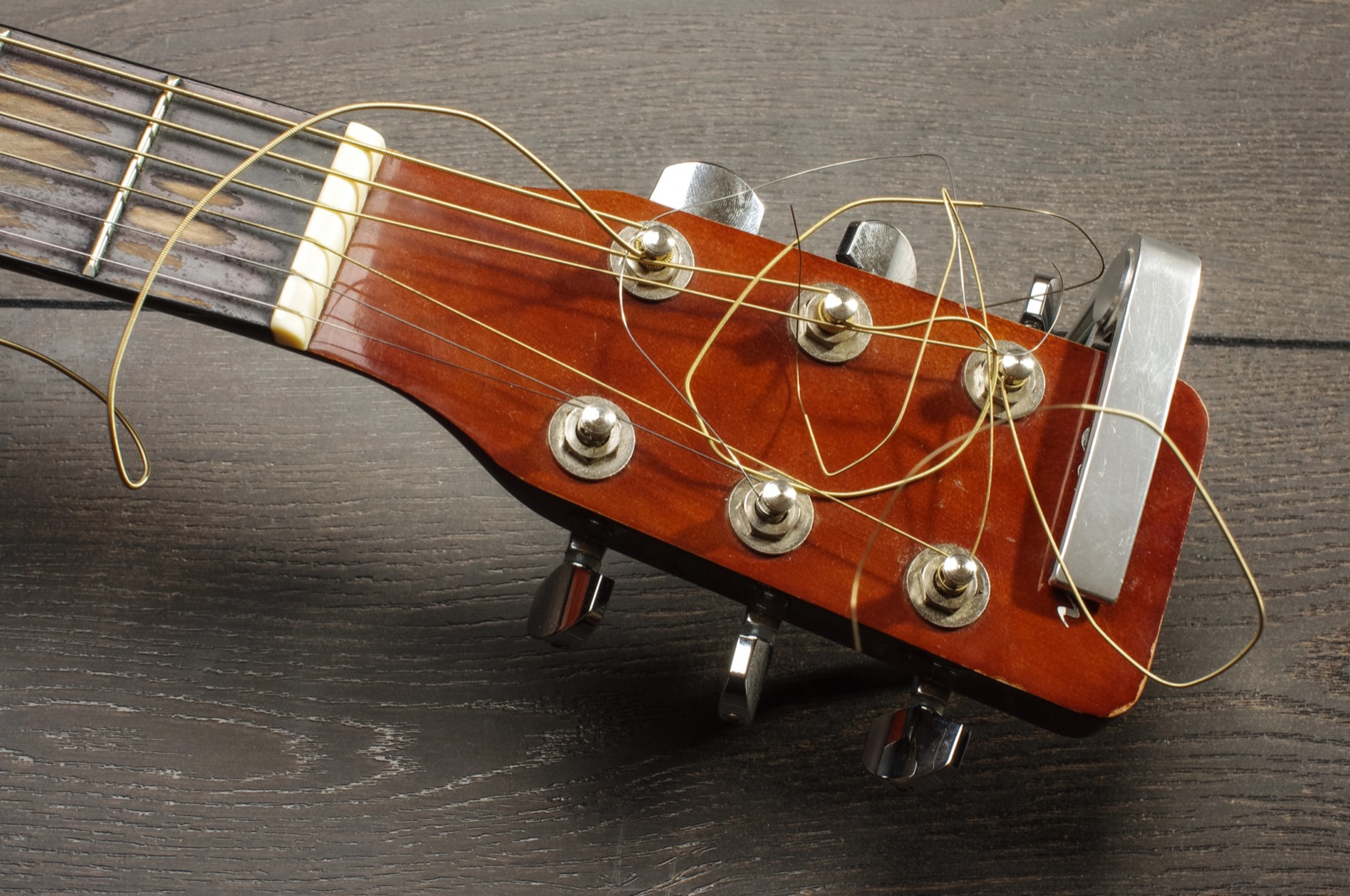
To minimize string breakage during performances, it is important to take a few precautions. First, it is essential to check your strings regularly and replace them in time. This prevents you from standing on stage with worn strings, which increases the risk of breakage. A rule of thumb for this is in the article on how often you should replace guitar strings.
It is advisable to always carry a few spare strings, so that you can act quickly if something goes wrong. It is also wise to tune your instrument properly before going on stage. A well-tuned guitar or other string instrument reduces the chance of unusual tension that can lead to breakage.
You can also consider buying high-quality strings designed specifically for your playing style. These strings are often more durable and better able to withstand the pressure of intensive performances.
Tips for quickly replacing a broken string during a performance
Once you find yourself in the situation where you have to replace a broken string, there are a few tips that can help make the process go as smoothly as possible. First, it is handy to always have a well-stocked gig bag or case with you with all the necessary tools, such as a string winder, wire cutters and spare strings. This saves time and prevents frustration when you need to act quickly.
Another useful tip is to practice replacing strings before your performance. This helps you not only get familiar with the process, but also become faster and more efficient when you actually find yourself in that situation. Also try to work together with other band members during performances; if someone else in the band also has experience replacing strings, this can speed up the process even more. How to change a string step by step is covered in the tips for replacing guitar strings.
Alternative solutions for a broken string during a performance
Besides replacing a broken string, there are also alternative solutions you can consider during a performance. The simplest solution is to keep playing on five strings. If the high E or B string breaks, most chords still sound full enough. If you are missing a bass string, choose shapes with the root note on another string or play higher up the neck. Try practicing a song at home without one string, so that you know which shapes you will use.
If you play in a band, agree beforehand who takes over if you drop out for a moment, for example by playing a piece instrumentally or by starting the next song without guitar. That gives you time to switch guitars or replace the string.
How to deal with the stress and pressure of a broken string during a performance
The stress that comes with a broken string can be overwhelming, especially when you are the center of attention. It is important to use stress management techniques to get yourself back in balance. Breathing exercises can help, for example, to keep your nerves under control.
Take a moment to breathe in and out deeply before you continue with the performance. It can also be useful to remind yourself that mistakes and technical problems are part of making live music. The audience often appreciates authenticity and is more likely to show sympathy than to criticize. You will find more ways to stay calm in the article on playing live guitar without stress.
Try to see these moments as chances for growth and improvisation rather than as failures. This can not only help relieve the pressure, but also take your performance to a higher level. If you are about to stand on a stage for the first time, also take a look at the tips for your first guitar performance.
Why regular maintenance of your instrument helps prevent string breakage
Regular maintenance of your instrument is crucial for preventing string breakage during performances. This includes not only replacing strings, but also checking other parts such as the bridge, the frets and the neck adjustment. A well-maintained instrument not only plays better, but also reduces the chance of technical problems during live performances.
It is advisable to visit a professional guitar technician or luthier regularly for a check-up of your instrument. They can identify any problems you might overlook and give advice on how to keep your instrument in top condition. By building this routine into your musical life, you make sure your instrument is always ready to use, which contributes to your confidence during performances. Preferably put on new strings a few days before a performance, so that they are stretched and stay in tune better. Include that in your checklist for preparing for a guitar performance.
Advice from professional musicians on dealing with a broken string during performances
Professional musicians have often developed their own strategies for dealing with broken strings during performances. A frequently heard piece of advice is to always be prepared for unexpected situations. This means you should not only carry spare strings, but also know how to replace them quickly without losing too much time.
Many experienced musicians also stress the importance of improvisation skills. The ability to quickly make adjustments to your setlist or playing style can help not only with technical problems, but also contribute to a unique experience for your audience. Remember that even the greatest artists ever have struggled with technical problems; how you handle it can make your performance unforgettable. Good agreements with your band members make that easier; you can read more about this in the tips for playing guitar in a band.
By keeping these insights and tips in mind, you will be better prepared for any broken strings during your performances. With the right preparation and mindset, you can even turn these challenges into opportunities for creativity and connection with your audience. If you play in a small café without a sound technician, also read the tips for performing in small cafés.
If you run into a broken string during a performance, it is important to act quickly and efficiently to keep the show going. Good preparation can help with this, such as bringing a spare guitar or extra strings. For those who want to learn more about playing the guitar and how to prepare for situations like this, the article Learn to Play Guitar Step by Step is an excellent resource. It offers detailed instructions and tips for beginner and advanced guitarists alike.
Frequently asked questions about a broken string during a performance
What do you do when a string breaks during a performance?
Stay calm and finish the song on the remaining strings. Get the loose end of the string out of the way, check your tuning and, after the song, switch guitars or replace the string.
How do you prepare for a possible broken string?
Bring a spare guitar if you can, and otherwise a complete set of spare strings, a string winder, wire cutters and a tuner. Practice changing a string quickly at home and agree with your band on what you will do if things go wrong.
Can you replace a string quickly during a performance?
Yes, with a bit of practice you can do it between two songs. A string winder and wire cutters speed up the job. A new string does drop out of tune quickly, so stretch it a little and retune.
Are there alternatives to replacing a broken string?
You can finish the song on the remaining strings or switch to a spare guitar. If the high E or B string breaks, most chords still sound full enough to keep playing.
How do you prevent a string from breaking during a performance?
Replace your strings in time and put them on a few days before the performance, so that they are already stretched. Check the bridge and the nut for sharp edges, don’t tune above the right pitch and wipe your strings dry after playing. If you hear a tick while tuning because the string catches in the nut, the explanation on squeaking guitar strings shows how to fix that with a little graphite.
Which string breaks most often?
Usually the thinnest strings: the high E string and the B string. They often break at the bridge, where the string bends most sharply. So always bring a few extras of these two strings.
Why does my whole guitar go out of tune when one string breaks?
That happens mainly on a guitar with a floating tremolo, such as a Floyd Rose. The bridge is held in balance by the tension of all the strings; if one drops away, the bridge shifts and the other strings go out of tune. On a fixed bridge the other strings usually stay in tune.






Leave a Reply