


How quickly can you play your first song? If you practice a little almost every day, you can often play a simple song with two or three chords within a few weeks. Exactly how fast it goes depends on how much you practice, whether you already have musical experience and which song you choose. Start with a mellow song with easy chords such as G, C, D and Em. Below you can read how to go about it and what helps you keep going.
Music theory as a foundation
When you start learning music, it helps to understand the basic principles of music theory. Music theory gives you the foundations you need to create, interpret and appreciate music. You learn about notes, rhythms, chords and scales, which helps you gain a deeper understanding of how music works.
This understanding lets you not only play existing music, but also make your own compositions. It is like learning the grammar of a language; without this foundation you cannot communicate effectively. It is also important to realize that music theory is not just a dry collection of rules, but a living system that can stimulate your creativity.
By understanding the structure of music, you can experiment with different elements and develop your own unique style. It may seem overwhelming at first, but as you learn more, you will notice that this knowledge helps you experience music in a much richer way.
Summary
- Understanding scales, chords and rhythm is essential for understanding music theory
- Choose an instrument that fits your personal preference and physical abilities
- Perseverance and regular practice are crucial for improving musical skills
- Learning to read sheet music or understanding chord charts opens the door to a wider repertoire
- Look for reliable sources of instruction and guidance when learning music
- Find a balance between challenge and enjoyment to stay motivated while learning music
- Explore different music styles and genres to broaden your horizons
- Celebrate small victories and keep striving to improve to stay motivated
How to play your first song
You will get your first song fastest if you choose a song with few chords and a mellow tempo. These steps will help you get going:
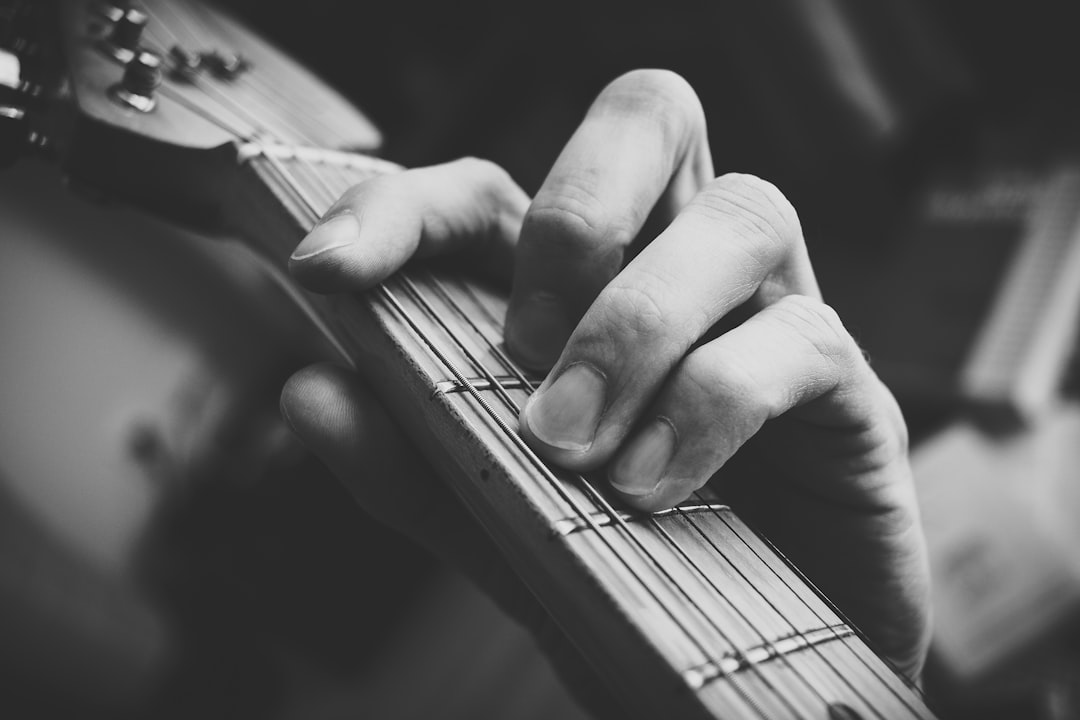
- Learn two easy chords, for example Em (022000) and G (320003), or C (x32010) and G.
- Practice changing between those two chords, first without rhythm and then at four beats per chord.
- Add a third chord, such as D (xx0232) or Am (x02210).
- Choose a song that uses only these chords and play it very slowly at first.
Suitable first songs include:
- Vader Jacob (the Dutch version of Frère Jacques): you can accompany the whole song with just C.
- Altijd is Kortjakje ziek (a Dutch children’s song) in G: with G, C and D.
- Knockin’ on Heaven’s Door (Bob Dylan): with G, D, Am and C.
You can find more ideas in the easy songs with 3 chords and the easy children’s songs with chords. If changing chords still feels clumsy, these tips for changing chords faster will help.
Choosing the right instrument to learn
Choosing the right instrument is a crucial step in your musical journey. Every instrument has its own unique sound and playing technique, and it is important to choose an instrument that fits your interests and goals. Maybe you are drawn to the warm sounds of a guitar, or you feel more attracted to the powerful tones of a piano.
It is good to try different instruments before making a final choice. This can help you get a better feel for what you enjoy and what you are good at. You should also take practical matters into account, such as the availability of the instrument and the cost.
Some instruments are more expensive than others, and you may also need learning materials or accessories. Also think about the space you have to practice; some instruments need more room than others. In the end, the choice of an instrument should not be based only on what is popular, but above all on what inspires and motivates you to keep playing.
The importance of regular practice and perseverance
Regular practice is the key to progress in music. It is not enough to play a few chords now and then; consistency is crucial. By making time to practice daily or weekly, you not only develop your skills, but also build confidence. A fixed plan helps with that, such as this practice plan for learning guitar in 30 days.
You will notice that the more you practice, the faster you make progress and the more enjoyment you get from playing music. It can sometimes be frustrating when you do not see the results you want right away, but perseverance is essential. It is also important to set yourself realistic goals while practicing.
These can range from learning a new song to improving specific techniques. By setting small, achievable goals, you can motivate yourself and keep growing as a musician. Do not forget that every musician has their own pace; do not compare yourself with others, but focus on your own personal development and enjoy the process.
Learning to read sheet music or understanding chord charts
An important aspect of learning to play music is the ability to read sheet music or understand chord charts. Sheet music offers a visual representation of music and lets you see exactly which notes to play and when. Chord charts, on the other hand, are often simpler and can help you learn songs quickly without having to write everything out.
Both skills are valuable and can complement each other in your musical development. Learning to read sheet music can be challenging at first, but with patience and practice you will find it gets easier and easier. Start with simple pieces and gradually work up to more complex works.
Also try to use chord charts regularly when playing popular songs; this can be a fun way to quickly pick up new music. Whichever method you choose, the most important thing is that you keep challenging yourself and keep learning.
Finding the right sources for instruction and guidance
In today’s digital world, there are countless sources available for musical instruction and guidance. Whether you choose online courses, YouTube tutorials or personal lessons, it is important to find sources that match your learning style and needs. Online platforms often offer a wide range of lessons for different levels and styles, so you can learn at your own pace. If you prefer to learn from a book, choose a method with audio or video; in this overview you will find good guitar books for beginners. If you choose a teacher, first read what private guitar lessons involve.
Personal lessons, on the other hand, can offer valuable feedback and allow direct interaction with an instructor. When choosing sources, it is also useful to look at reviews and recommendations from other students. This can help you judge the quality of the instruction and make sure you get the right guidance.
Do not forget that learning is a continuous process; stay open to new sources and techniques that can improve your musical skills.
Finding the right balance between challenge and enjoyment
An important factor in your musical development is finding the right balance between challenge and enjoyment. Learning music can sometimes be frustrating, especially when you challenge yourself with complex pieces or techniques. It is crucial, however, to also include moments of fun in your practice sessions. Wondering what to expect in that first period? Then this honest answer to the question of whether learning guitar is hard will help.
This can mean alternating between working on challenging pieces and playing songs you like and are already good at. By finding this balance, you keep yourself motivated and prevent practice from becoming a chore. Try different genres, play with friends or join a band; all of this can contribute to a positive musical experience.
Remember that making music is not only about technical skills, but also about emotion and expression.
Exploring different music styles and genres
Music is an incredibly diverse field with countless styles and genres to explore. Whether you are interested in classical, jazz, rock or pop, every style has its own unique characteristics and techniques. By trying different genres, you can not only broaden your musical horizons, but also discover what truly speaks to you as a musician.
This can lead to new sources of inspiration and creative ideas for your own music. Exploring different styles can also help you develop versatility as a musician. You learn new techniques and styles that you can work into your own playing.
This not only makes you a better musician, but can also lead to interesting collaborations with other musicians from different backgrounds.
Celebrating small victories and continuing to strive for improvement
It is important to reflect on your progress and celebrate small victories during your musical journey. Whether it is learning a new song, improving a technique or simply keeping up regular practice, every step forward deserves recognition. By celebrating these moments, you keep yourself motivated and remind yourself why you started making music.
It is also essential to always keep striving to improve. Music is an endless journey in which there is always something new to learn. Keep challenging yourself by trying new techniques or styles, or by working with other musicians.
This ongoing search for growth will not only improve your skills, but also deepen your love of music. In summary, learning to play music is a multifaceted experience that involves much more than technical skills. By understanding the basic principles of music theory, choosing the right instrument, practicing regularly and challenging yourself with different styles, you can make a rich musical journey that is both challenging and enjoyable.
Do not forget to celebrate small victories and always stay open to new possibilities; this will help you become a passionate and skilled musician.
If you are curious about how quickly you can play your first song, it is also interesting to know that it is never too late to start playing guitar. The article Can you still learn to play guitar later in life? discusses how you can start guitar lessons at any age and what benefits that brings. It stresses that age does not have to be a barrier to learning a new instrument and offers inspiration for anyone who is hesitating to start. If you are starting as an adult, these tips for adults learning guitar will help you build a realistic practice routine.
Frequently asked questions about your first song on guitar
How quickly can you play your first song?
It is hard to say exactly how quickly you can play your first song, because it depends on several factors, such as your musical background, the difficulty of the song and the time you are willing to invest in practicing. With short, almost daily practice sessions, a simple song with two or three chords often works within a few weeks.
What kind of song is best to start with?
For beginners, it is often recommended to start with simple songs with a slow tempo and few chords. Think of songs with simple chord progressions and repetitive structures.
Do I need to read music to play my first song?
No, reading music is not strictly necessary to play your first song. Many beginners learn to play songs from chord charts or tablature. You can find a step-by-step plan for mastering a new song in our tips for learning to play guitar songs.
Is it better to learn chords first or to start with melodies?
This depends on your personal preference and the instrument you play. For guitarists it can be handy to learn chords first, while pianists may prefer to start with melodies.
What is the best way to practice for playing my first song?
Regular practice is essential. Start slowly and build up speed as you get more comfortable with the song. It can also help to practice with a metronome to improve your timing.
Which chords do you learn first on guitar?
Begin with open chords such as Em (022000), Am (x02210), C (x32010), G (320003) and D (xx0232). With those you can already play many simple songs. Leave barre chords such as F for a while until changing between open chords goes smoothly.
How often do you need to practice to play your first song quickly?
Short, regular practice sessions work better than an occasional long session. Try to play a little almost every day, even if it is only briefly. That way your fingers get used to the chords faster and changing chords and rhythm get smoother and smoother.




Leave a Reply