
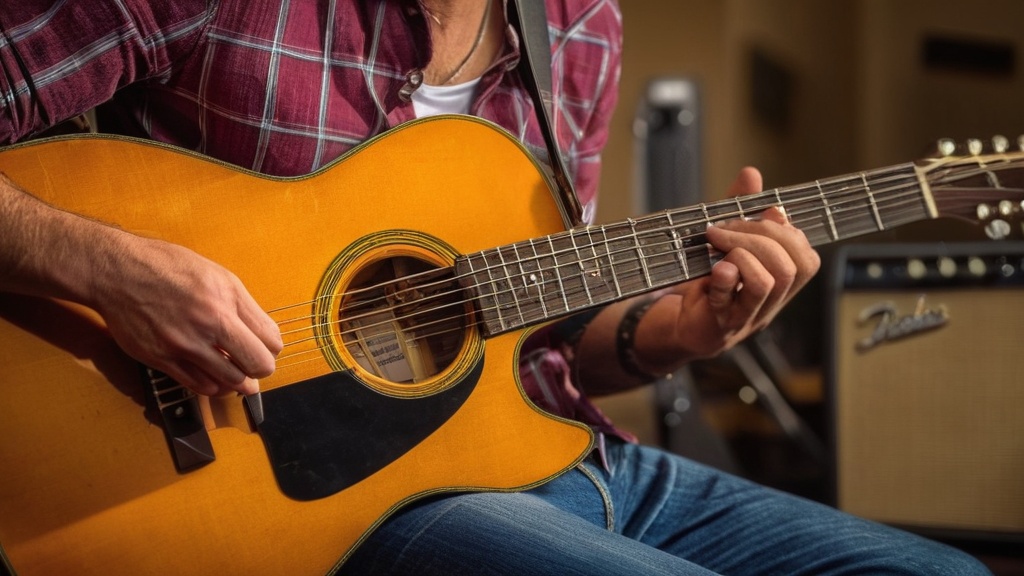

How do you create flow while playing guitar? You get into flow when you pick music that is just a little above your level, have one clear goal per session and play without distractions. Flow is the state in which you are so absorbed in playing that you lose track of time. Psychologist Mihaly Csikszentmihalyi described it as the moment when challenge and skill are in balance. Below you can read how mindset, technique, concentration and your practice space contribute to it, with a step-by-step plan to try it yourself.
What Is Flow When Playing Guitar?
Flow is a mental state in which you are fully absorbed in the activity you are doing. It is a feeling of effortless concentration and involvement, where time seems to fade away and you lose yourself in the music. For guitarists, reaching this flow state is crucial, because it not only improves the quality of your playing but also enriches the overall experience of playing guitar.
When you are in flow, you feel creative and inspired, which leads to a deeper connection with the music and greater satisfaction with what you achieve. The importance of flow in playing guitar cannot be overstated. It allows you to overcome technical barriers and use your full potential.
In this state, you can play complex pieces with ease and make improvisations that might not otherwise be possible. Flow also helps reduce stress and anxiety, so you can enjoy the process of learning and playing more. It is a powerful experience that every guitarist should aim for.
Summary
- Flow is a mental state of complete involvement and focus while playing guitar, where time seems to fade away and you are fully absorbed in the music.
- A positive mindset, such as having clear goals, taking on challenges and feeling in control, can help you get into a flow experience while playing.
- Improving your technique and skills through regular practice and learning new pieces can help you reach flow while playing guitar.
- Concentration and focus are essential for getting into flow while playing guitar; they help you avoid distractions and become fully absorbed in the music.
- You can stimulate creativity and improvisation by experimenting with different playing styles, listening to various music genres and playing with other musicians to get into flow.
- A calm, tidy and inspiring environment can help you get into flow while playing guitar. Think of a comfortable chair, good lighting and the right equipment.
- Relaxation and enjoyment are important for getting into flow while playing guitar; they help reduce stress and open you up to the music.
- Dealing with frustrations and setbacks by focusing on the process instead of the result, taking breaks and continuing to enjoy playing can help you stay in flow.
The Right Mindset: How Do You Prepare Yourself for a Flow Experience While Playing?
To get into a flow experience, it is essential to have the right mindset. This starts with creating a positive and open attitude toward your guitar playing. You have to allow yourself to make mistakes and learn from them, instead of judging yourself.
Developing a growth mindset, where you believe your skills can improve through practice and dedication, is crucial. It helps you avoid putting too much pressure on yourself, which is often an obstacle to reaching flow. It is also important to be clear about your goals.
What do you want to achieve during your practice sessions? By setting specific, achievable goals, you can focus better and appreciate the progress you make. This can range from learning a new song to improving a particular technique.
By keeping these goals in mind, you create a sense of direction that helps you get into flow.
Technique and Skills: How Do You Improve Your Playing to Get Into Flow?
Technique and skills are the foundations on which your flow experiences can be built. It is important to practice regularly and challenge yourself to master new techniques. This can mean working on fingerings, chords or even complex solos.
The better your technique is, the less you have to think about the basic skills while playing, which leaves more room for creativity and expression. An effective way to improve your technique is to plan structured practice sessions. This can mean studying specific exercises or etudes aimed at improving certain skills. You can read how to build such a plan in how to make an effective practice schedule.
By making these exercises a regular part of your routine, you not only build technical skills but also develop confidence in your playing. This confidence is essential for reaching flow, because it lets you play freely without fear of mistakes.
Concentration and Focus: Stay in the Moment
Concentration and focus are crucial elements for reaching flow while playing guitar. When you play, you need to be fully present in the moment and shut out distractions. This can sometimes be a challenge, especially in a busy environment or when a lot of thoughts are running through your head.
Developing techniques to improve your concentration can therefore help enormously. These can range from breathing exercises to meditation, all of which contribute to a clear mind. Another way to keep your focus is to set yourself small goals while playing. Playing guitar works both ways, by the way: it takes focus, but it also trains your concentration.
Instead of feeling overwhelmed by a whole song or a complex solo, you can focus on one section at a time. This not only helps you keep your concentration, it also makes it easier to get into flow. By making progress step by step, you feel a sense of satisfaction that motivates you further.
Creativity and Improvisation: How Do You Encourage Yourself to Get Into Flow While Playing?
Creativity and improvisation are important aspects of playing guitar that contribute to the flow experience. When you allow yourself to improvise freely, you give yourself room to explore new ideas and sounds. This can lead to surprising musical discoveries and a deeper connection with the music you play.
To encourage creativity, you can experiment with different styles or techniques that fall outside your usual way of playing. An effective way to encourage improvisation is to record jam sessions with other musicians or even with yourself. This gives you the chance to try out new ideas and also helps spark spontaneous creativity.
When you play with others, you are often inspired by their playing style and ideas, which can lead to new musical directions you might not have explored otherwise. You can read how two guitars complement each other instead of drowning each other out in this article about playing with other guitarists.
Environmental Factors: How Do You Create an Environment That Helps Flow While Playing Guitar?
The environment you play in can have a big influence on your ability to get into flow. A quiet, comfortable space without distractions is ideal for focused practice. Make sure your guitar is properly set up and that everything you need is within reach.
This minimizes interruptions and helps you stay fully focused on the music. The atmosphere can also contribute to the flow experience. Think of lighting, temperature and even the music playing in the background (if that helps).
Some guitarists find they play better with certain kinds of music in the background, while others prefer complete silence. Experiment with different environments until you find what works best for you.
Relaxation and Enjoyment
Relaxation is essential for reaching flow while playing guitar. When you are tense or under pressure, it can create blocks in your creativity and technique. It is important to remind yourself that playing guitar should above all be fun.
Try not to put too much pressure on yourself to strive for perfection; instead, enjoy the process itself. A good way to build relaxation into your playing routine is to take regular breaks while practicing. This not only gives your hands a chance to recover, it also helps counter mental fatigue. You can read how long a session works best in how long you should practice each day.
During these breaks you can daydream for a moment or simply enjoy the music without actively playing. These moments of relaxation can be surprisingly refreshing and help promote flow when you get back to it.
Exercise: How to Set Up a Flow Session
- Put your phone away and set a timer for 15 to 20 minutes.
- Pick one song or chord progression that you almost have down, for example G, C and D (G = 320003, C = x32010, D = xx0232).
- First play it for a few minutes at a calm tempo with a metronome and only raise the tempo once it goes without stumbling.
- Then turn on a backing track and play freely over it: chords, a melody or individual notes.
- Do not stop at a mistake, keep playing. Only write down afterward what went well and what you will practice next time.
How Do You Deal With Frustrations and Setbacks While Playing Guitar and Still Stay in Flow?
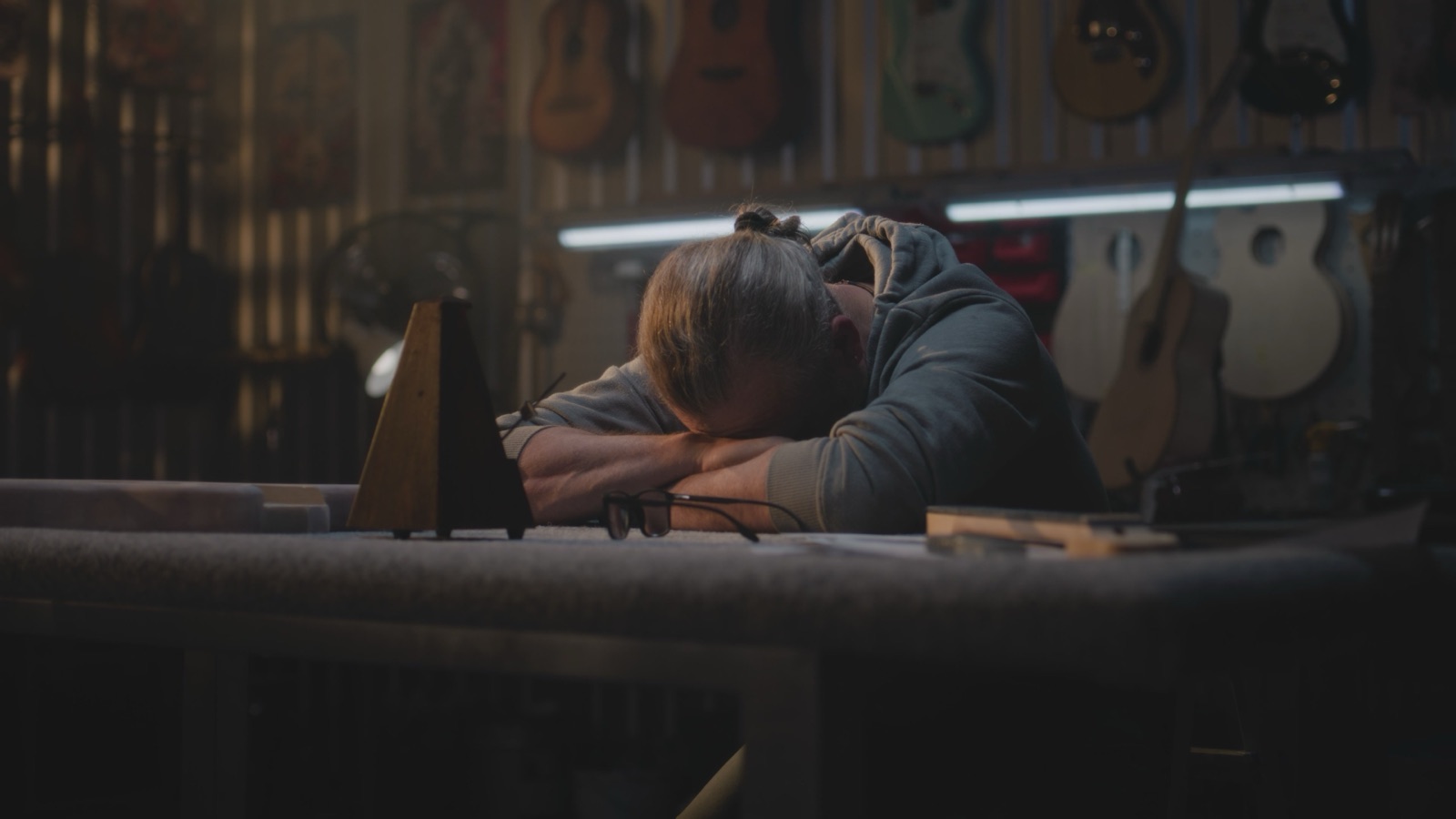
Frustrations and setbacks are unavoidable when learning and playing guitar. It is important not to see these moments as failures but as opportunities for growth and development. When something does not work out as planned, try to stay calm and remind yourself that every musician runs into these challenges.
It is normal to get stuck or frustrated sometimes; what counts is how you deal with it. An effective strategy is to give yourself time to let go of these frustrations before you continue practicing. This can mean taking a short break or doing something completely different before you return to the guitar. If your motivation really drops, these tips for staying motivated can help. If you have lost the desire to play for a longer time, these ideas for finding inspiration to keep going with guitar can help.
By stepping back, you can often look at the situation with fresh eyes and find new solutions to the problems you are running into. Remember that every step forward, however small, contributes to your musical journey and will eventually help you reach that coveted flow experience.
If you are interested in creating flow while playing guitar, it is also useful to understand how long it takes to learn to play guitar. This can help you set realistic expectations and measure your progress. A related article that can help with this is How Long Does It Take to Learn Guitar?. This article gives insight into the time and dedication needed to become skilled on guitar, which is essential for reaching a state of flow while playing.
Frequently asked questions about flow while playing guitar
What is flow while playing guitar?
Flow while playing guitar refers to a state of complete involvement and focus, where the guitarist plays effortlessly and with concentration. It is a state in which time seems to fade away and the guitarist is fully absorbed in the music.
How do you create flow while playing guitar?
You can create flow while playing guitar by practicing regularly, mastering the basic skills of guitar playing, choosing songs that fit your level and playing music you enjoy. It can also help to reduce distractions and concentrate on the moment.
Which techniques can help you reach flow while playing guitar?
Techniques such as breathing exercises, mindfulness and visualization can help you reach flow while playing guitar. It can also help to challenge yourself with new songs and techniques, while setting realistic goals at the same time.
Why is flow while playing guitar important?
Flow while playing guitar is important because it improves the quality of your playing, helps you enjoy playing more and allows you to keep developing as a guitarist. It also lets you express your creativity and feel deeply connected to the music you play.
How long does it take to get into flow while playing guitar?
That differs from person to person and from session to session. Usually you first need a few minutes to warm up and clear your head. So plan one uninterrupted session of a quarter of an hour or longer rather than three separate sessions of five minutes.
Can you experience flow on guitar as a beginner?
Yes. Flow does not depend on your level but on the balance between challenge and skill. As a beginner, choose a simple song with two or three chords you already know, so you do not have to keep stopping to find your fingers.




Leave a Reply