
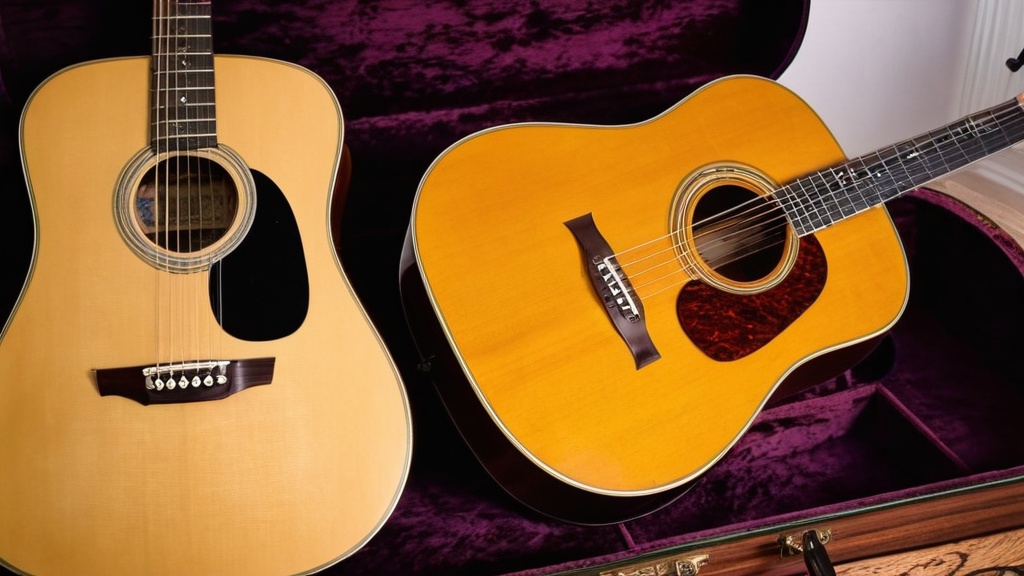

The difference between a dreadnought and a parlor guitar is mostly size and sound. A dreadnought has a large, wide body with plenty of volume and bass, ideal for strumming and accompanying vocals. A parlor guitar is smaller and lighter, sounds brighter and more intimate, and is more comfortable to play, especially for fingerpicking and for players with a smaller frame.
The history of the dreadnought and the parlor guitar
The history of the dreadnought and the parlor guitar is a fascinating story that goes back to the late 19th century. The dreadnought guitar, which takes its name from the British battleship HMS Dreadnought, was developed in 1916 by C.F. Martin & Co. Martin built the first examples for the music retailer Oliver Ditson and released the model under its own name in 1931. This guitar was designed with a larger body and a wider soundbox, which resulted in a more powerful sound and better projection. That made the dreadnought especially popular with folk and blues musicians, who needed an instrument that could sound loud and clear even without amplification. Parlor guitars, on the other hand, have a somewhat different origin. These smaller guitars became popular in the late 19th and early 20th centuries, especially among amateur musicians at home and in parlors. The parlor guitar was designed for more intimate settings, with a smaller body that makes it easier to play in small rooms. Their popularity declined as dreadnoughts rose, but they have recently regained ground, especially among fingerstyle players and singer-songwriters who prefer their warm, rich sound.
Summary
- Dreadnought guitars were first introduced by C.F. Martin & Company in 1916, while parlor guitars were popular in the 19th century.
- Dreadnought guitars are larger and have a deeper soundbox than parlor guitars, which are smaller and more compact.
- Dreadnought guitars have a powerful, loud projection, while parlor guitars have a more intimate, warm tone.
- Dreadnought guitars can be less comfortable to play because of their size, while parlor guitars are easier to handle, especially for smaller players.
- Dreadnought guitars are often used in genres such as country, bluegrass and rock, while parlor guitars are popular in folk, blues and fingerstyle music.
Dreadnought and parlor side by side
| Dreadnought | Parlor | |
|---|---|---|
| Size | Large, lower bout about 40 cm wide | Compact, lower bout usually 32 to 34 cm wide |
| Sound | Full, plenty of bass and volume | Bright and balanced, less bass |
| Feel | Big under your arm, especially when seated | Light and easy to hold |
| Strong at | Strumming, vocal accompaniment, country, bluegrass, playing with others | Fingerpicking, blues, folk, playing at home or on the go |
Differences in size and shape between the dreadnought and the parlor guitar
One of the most striking differences between the dreadnought and the parlor guitar is their size and shape. The dreadnought has a larger body, which affects not only the look but also the sound. The wider soundbox of the dreadnought produces a fuller sound with more bass response, which makes it ideal for strumming and powerful chords.
A typical dreadnought, such as the Martin D-28, has a body about 50 cm long and around 40 cm wide at the lower bout, which makes it an imposing instrument. By contrast, the parlor guitar is much more compact. With a lower bout of usually around 32 to 34 cm wide and a shallower soundbox, this guitar is much handier and easier to handle for players who prefer a more intimate playing experience.
The smaller body of the parlor guitar gives it a unique sound, often with a focus on higher frequencies and a faster response. This makes the instrument especially suited to fingerpicking and delicate melodies. Want to learn that technique? Start with fingerpicking on an acoustic guitar.
Tone and projection of the dreadnought and the parlor guitar
The tone of the dreadnought and the parlor guitar differs considerably because of their design and dimensions. Dreadnoughts are known for their powerful, full sound with strong bass response. This comes from the larger soundbox, which can move more air and results in a richer tone.
Musicians looking for a guitar that sounds good when playing chords or accompanying vocals will often choose a dreadnought because of its excellent projection. The parlor guitar, on the other hand, offers a more balanced tone with a focus on clarity and nuance. The smaller soundbox lets the high notes come out better, which makes it ideal for fingerstyle playing and solo performances.
The projection is less powerful than that of the dreadnought, but this can also be an advantage in situations where you want to create a more subtle sound. It is important to consider which type of tone you are looking for when choosing between these two styles.
Playability and comfort of the dreadnought and the parlor guitar
When you think about playability and comfort, there are a few important factors to consider for both the dreadnought and the parlor guitar. The larger body of the dreadnought can feel awkward for some players, especially those with smaller hands or less experience. It can take more effort to form chords and strum, which can lead to fatigue during long sessions. If you have small hands, you will find extra tips in playing guitar with small hands.
Still, many musicians appreciate the power and volume this guitar offers. The parlor guitar, on the other hand, is designed with comfort in mind. Its smaller size makes it easier to hold and play, especially for fingerstyle techniques where precision matters. For teens and adults with a smaller frame, a parlor is therefore a pleasant choice. For young children, look instead at a smaller guitar size.
This makes it an excellent choice for players who want to spend long sessions playing without discomfort. The lighter construction of the parlor guitar can also contribute to a faster response, which gives you more control over your playing.
Uses and genres in which the dreadnought and the parlor guitar are often played
The uses of both the dreadnought and the parlor guitar are varied and depend on the genre you play. Dreadnoughts are especially popular in genres such as folk, country, rock and blues. Their powerful sound makes them ideal for strumming and accompanying vocals, so they are often used by singer-songwriters and band members looking for an instrument that cuts through a mix of other instruments well. If you are heading for a stage, these tips for performing with an acoustic guitar will help.
Parlor guitars, on the other hand, often find their way into genres such as blues, folk and fingerstyle music. Their bright tone and responsive sound make them perfect for solo performances or intimate sessions where nuance matters. Many modern musicians are also discovering the versatility of parlor guitars in different styles, so they are increasingly appreciated in contemporary music productions. If you want to record that nuance, choose a good microphone for your acoustic guitar.
Price range and availability of the dreadnought and the parlor guitar
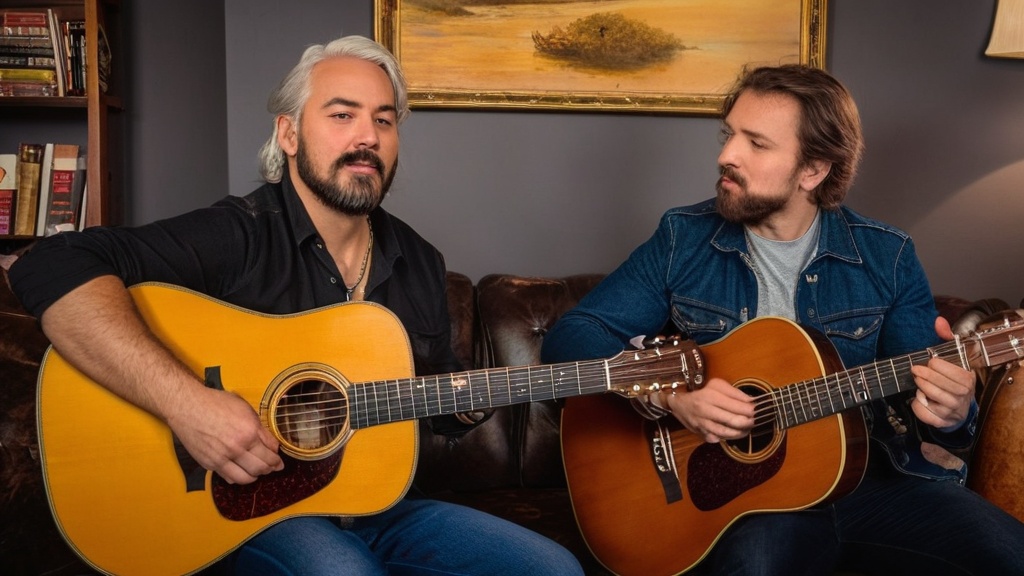
If you are considering buying a dreadnought or a parlor guitar, it is important to take the price range and availability of both models into account. Dreadnought guitars come in various price ranges, from entry-level models to high-end versions from renowned brands such as Martin, Taylor or Gibson. You can often find good quality in the mid-range, which makes them accessible to both beginners and advanced players.
Like a dreadnought, the price of a parlor guitar depends mostly on the brand, the wood and the finish. Besides affordable models, there are also premium models that are handmade or use high-quality materials. The availability of parlor guitars can vary depending on where you look, though; some stores may have more choice in dreadnoughts because of their popularity. It is always wise to visit several stores or search online to find the best deal for your budget. To find out what makes an acoustic guitar so special, read the beauty of acoustic guitars.
Maintenance and care of the dreadnought and the parlor guitar
Maintaining both dreadnought and parlor guitars is crucial to extend their lifespan and keep their sound quality. If you tune your guitar before every playing session, you will also quickly notice whether anything is changing with the neck or the strings. It is also important to keep your guitar clean by regularly wiping off dust with a soft cloth and removing fingerprints or dirt.
Both types of guitar are sensitive to changes in temperature and humidity. It is advisable to keep your guitar at a constant temperature and not expose it to extreme conditions. Using a good case or gig bag can help protect your instrument from damage during transport or storage. You can read how to prevent that in protecting your guitar from moisture.
Regular maintenance by a professional can also be useful to make sure everything works properly. How often that is needed is covered in how often to have a guitar set up.
Which guitar suits your playing style best: dreadnought or parlor?
When choosing between a dreadnought and a parlor guitar, it is important to think about your personal playing style and preferences. If you like powerful chords, strumming and genres such as folk or rock, the dreadnought is probably the best choice for you. The larger body offers the volume and projection you need to be heard in a band setting or at performances.
On the other hand, if you are more interested in fingerstyle playing or intimate sessions where nuance matters, the parlor guitar will suit your needs better. The smaller dimensions make it easier to play complex melodies without worrying about discomfort during long sessions. In the end it comes down to your personal preference; both guitars have unique qualities that make them suitable for different musical situations. If you are just starting out, these tips for beginners on the acoustic guitar will get you going.
If you are interested in the difference between a dreadnought and a parlor guitar, it is also worth improving your guitar techniques. A useful article that can help with this is Learn guitar techniques with these handy tips. This article offers valuable insights and techniques that can take your playing to the next level, regardless of the type of guitar you play.
Frequently asked questions about dreadnought and parlor guitars
What is the difference between a dreadnought and a parlor guitar?
A dreadnought guitar is generally larger and has a deeper soundbox than a parlor guitar. The dreadnought often also has a slightly longer scale length and a wider body, while the parlor guitar is more compact and has a more vintage sound.
Which music styles are often played on a dreadnought guitar?
Dreadnought guitars are often used in country, bluegrass, folk and rock because of their loud, powerful sound.
Which music styles are often played on a parlor guitar?
Parlor guitars are often used in blues, folk and fingerstyle music because of their warm, intimate sound.
Are there differences in playability between a dreadnought and a parlor guitar?
In general, dreadnought guitars are somewhat harder to play because of their larger size, while parlor guitars are often considered more comfortable because of their compact size.
Are there differences in price between a dreadnought and a parlor guitar?
Not really. The price depends mostly on the brand, the wood (solid or laminated) and the finish, not on the body shape. You will find dreadnoughts in more stores and price ranges, though, because they are the most popular.
Is a parlor guitar suitable for beginners?
Yes, especially if you have a smaller frame or mostly play sitting down. A parlor is light and your arm reaches over the body more easily. If you mainly want to strum hard and sing, a dreadnought gives you more volume.
Can you strum on a parlor guitar too?
Absolutely. You get less bass and volume than on a dreadnought, but the chords sound clear and every string stays easy to hear. For playing at home and small performances, that is often exactly what you want.



Leave a Reply