
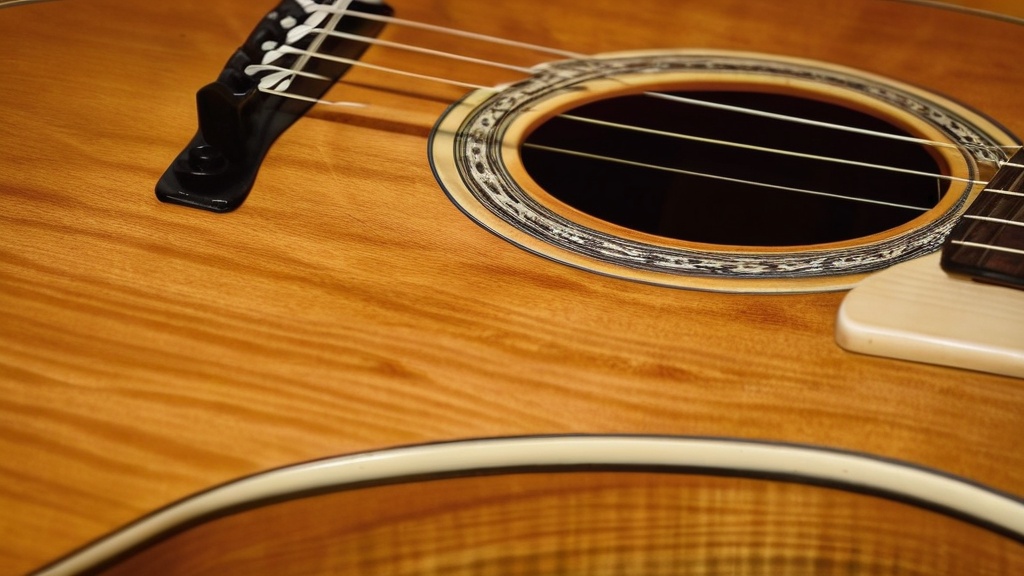

How do you protect your guitar from moisture? Keep the humidity around your guitar steady at roughly 40 to 60 percent, store it in a well-sealed case or gig bag, and keep it away from basements, bathrooms, windows and radiators. A hygrometer shows you when to step in: with a dehumidifier or moisture-absorbing packets when there is too much moisture, with a humidifier when the air is too dry. Below you can read step by step how to go about it and what to do if damage has already happened.
What moisture does to your guitar
Moisture is one of a guitar’s biggest enemies. Wood, the main material in most guitars, is a living material that reacts to changes in its surroundings. In high humidity it absorbs moisture and swells. That can lead to warping and cracks, which can seriously affect the sound and playability. The neck and the body are especially sensitive, because precision and setup matter so much there.
Air that is too dry is just as much of a problem: the wood shrinks, which can also result in cracks and other damage. High humidity can also cause mold and mildew. That is harmful not only to the guitar but to you as well: mold in the case gives off a musty smell and can cause allergy symptoms in some people. Metal parts such as strings, frets and tuners suffer from moisture too, because they rust or corrode faster.
Summary
- Moisture can lead to mold growth, warping and cracking of the wood, and rust on metal parts; air that is too dry makes the wood shrink and crack.
- Store your guitar in a room with a constant temperature and a humidity of roughly 40 to 60 percent.
- A good guitar case protects your instrument against swings in humidity and temperature.
- Use moisture-absorbing products such as silica gel to catch excess moisture in the case, but make sure it does not get too dry.
- Avoid damp places such as basements, bathrooms and rooms with leaks, and keep your guitar away from heat sources and extreme temperatures.
- Regular maintenance, cleaning and inspection help you catch and prevent moisture problems in time.
Tips for storing your guitar
Good storage is the foundation of protecting your guitar from moisture. Keep your guitar in a dry spot, away from windows, direct sunlight and heat sources such as radiators. A dark, cool room with a constant temperature and humidity is ideal.
When you are not using the guitar, put it away in a sturdy guitar case or gig bag. That protects not only against moisture, but also against dust, scratches and other physical damage. Make sure the case is closed properly and has no openings where moisture can get in. If you are often on the road, consider a case with extra insulation that handles swings in temperature and humidity better.
If you do not have a case, or you want to keep your guitar within reach, you can use a guitar stand that lets air circulate around the instrument. Do not put that stand too close to a heater or air conditioner. You can read more storage tips in the best ways to store your guitar at home. For everything else you need to practice at home, see our checklist for learning guitar at home. If you are setting up a permanent playing spot, the guide to setting up a home studio for guitar players helps with the layout, acoustics and storage.
Check the humidity with a hygrometer
Ideally, the humidity in the room where your guitar sits is between 40 and 60 percent. A hygrometer measures that accurately, in the room or in the case itself, so you can step in on time.
- Too humid? Get a dehumidifier for the room where you keep your guitar, or make sure it is well ventilated.
- Too dry? A humidifier helps bring the level back up. In winter, when the heating is on for long stretches, air that is too dry is often the problem; you can read more about that in the tips for guitar maintenance in winter.
Check the humidity regularly, and especially in seasons with extreme weather such as summer and winter. By paying attention to it, you not only protect your guitar, you also make the room more pleasant for yourself.
The importance of a good guitar case

A good guitar case is more than a way to transport your instrument; it is an investment in protecting your guitar, even when you store it at home. A sturdy, well-insulated case helps keep the temperature and humidity around your guitar steady and protects against bumps and drops.
Cases come in different types and sizes, but not every case offers the same protection. When choosing, look for the following:
- a case that fits your type of guitar;
- a sturdy exterior and a well-padded interior, so it holds up better against shocks;
- moisture-resistant materials, a lining that keeps moisture out and possibly extra insulation;
- good seals, and in some cases a compartment or holder for a humidity regulator. That is especially handy if you travel often or store your guitar for a long time.
A quality case can save you a lot of money in the long run, because it prevents damage to your instrument.
Using moisture-absorbing products
To limit moisture problems further, you can put moisture-absorbing products in your guitar case or storage space. They draw excess moisture out of the air and so help create a stable environment for your guitar. Think of silica gel packets or special moisture-absorbing packets made for musical instruments.
Using them is simple: put them in the case or in the room where you store your guitar. Check regularly whether they still work and replace them when needed. Some products have an indicator that shows when they are saturated. Do make sure it does not get too dry: silica gel keeps absorbing moisture. There are also humidity regulators that work in both directions and keep the humidity in the case at a fixed level.
Avoiding damp places and extreme temperatures
Be careful with places where the humidity is often high, such as basements, bathrooms and rooms with leaks. If you live in a humid area, you may need extra measures, such as a dehumidifier in the room where your guitar sits. Also think about the environment while playing or transporting: do not play outside on rainy days, and make sure your guitar is well protected from the weather at a gig.

Extreme temperatures can be just as harmful as humidity that is too high or too low. Wood expands or shrinks depending on the temperature, which can lead to cracks or other structural damage. So keep your guitar away from radiators, open fireplaces and air conditioners that blow cold air. If you take it on a long trip or to an outdoor gig, use a sturdy case and do not leave it in a hot car for long. When you come in from the cold, first let the guitar come up to room temperature in its closed case. Swings in temperature and humidity are also a well-known reason strings go out of tune; so also read how to keep your guitar from going out of tune.
Regular maintenance and cleaning
After every playing session, wipe down your guitar with a soft cloth to remove dirt, sweat, fingerprints and oil from your hands from the body and neck. That keeps those substances from building up and damaging the wood or the finish. Now and then you can do a deeper clean with guitar cleaning products that are safe for the material; you can read how to go about it in cleaning your guitar without damaging it.
Do not forget the strings and other parts. Wipe the strings after playing and replace worn strings in time, because moisture and sweat speed up corrosion. You will find a rule of thumb for the right moment in how often you should replace guitar strings, and when you change them, the tips for replacing guitar strings will help. Also check regularly for loose parts that need repair.
Checking your guitar for moisture damage

By inspecting your guitar regularly, for example once a month, you spot moisture damage early. That applies especially if you store it in a damp room. Look over your instrument thoroughly and listen for changes in sound or playability. Watch for:
- cracks in the wood or changes in the finish;
- a warped neck;
- a bridge or frets coming loose;
- rust or corrosion on strings, frets and other hardware.
If you see any of these signs, give it attention right away. Moisture on metal parts leads to early wear, and small problems rarely get better on their own. You can take care of the fretboard when you change strings; see cleaning the fretboard and frets of your guitar.
Have your guitar checked regularly
Even with all the precautions, it is wise to have an experienced guitar technician check your guitar every now and then and do a setup. They see problems you might overlook and can give advice on maintaining your type of guitar, from adjusting the neck to replacing worn parts. By tackling small problems early, you avoid costly repairs. How often that is needed, you can read in how often you should have a guitar set up.
What to do if your guitar has suffered moisture damage anyway
If you discover moisture damage, act quickly to prevent further damage. Take the guitar out of the damp environment and let it stand in a dry place with good air circulation. Do not try to make adjustments or repairs yourself if you are not sure what you are doing; that can cause more damage.
Contact a guitar technician with experience in repairing moisture damage. They can assess how serious the damage is and which steps are needed. Sometimes parts have to be replaced or the guitar has to be refinished to restore the original sound and look. By acting quickly and carefully, you get your instrument back in top shape without unnecessary costs or complications.
Frequently asked questions about protecting your guitar from moisture
What are the effects of moisture on a guitar?
Moisture can lead to a warped neck, a bridge and frets coming loose, rust on metal parts and damage to the wooden body and fretboard. That directly affects the tone and playability of your guitar.
How can I protect my guitar from moisture?
Put your guitar in a case or gig bag when you are not using it, avoid damp rooms and check the humidity with a hygrometer. If it is too humid, a dehumidifier in the room where you keep the guitar helps.
Which products help against moisture for a guitar?
For the room, use a dehumidifier, possibly with a built-in hygrometer. In the case, silica gel packets or special humidity packets for instruments work, and there are humidity regulators that keep the humidity at a fixed level in both directions. Gig bags and cases with moisture-resistant materials help too.
How often should I check my guitar and the humidity?
Check your guitar regularly, for example once a month, and especially if you store it in a damp room. Keep a close eye on the humidity in summer and winter in particular. Watch for a warped neck, rust and parts coming loose.
Are there special storage cases or cabinets that help protect my guitar from moisture?
Yes. There are cases and cabinets with good seals and insulation that keep moisture out better, and some have a compartment or holder for a humidity regulator. Combine such a case with a hygrometer, so you know whether the humidity inside stays right.
What is the ideal humidity for a guitar?
Aim for roughly 40 to 60 percent and above all avoid rapid swings. A hygrometer in the room or in the case shows whether you are within that range.
Can a guitar also suffer from air that is too dry?
Yes. If the air stays too dry for a long time, for example when the heating is on a lot in winter, the wood shrinks. That can cause small cracks in the top, lower string action and fret ends sticking out at the side of the neck. A humidifier in the room or a humidifying packet in the case helps then.






Leave a Reply