
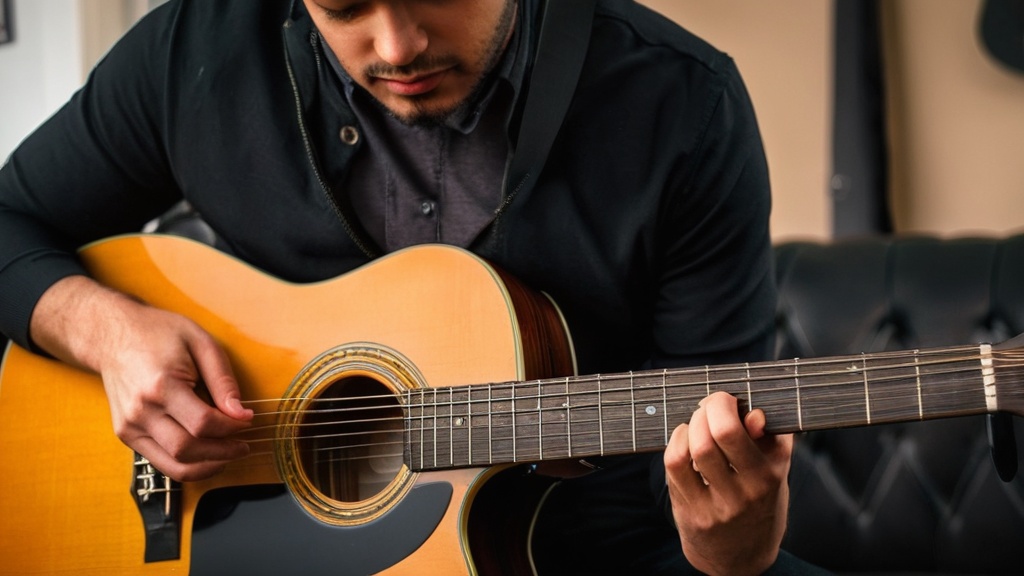

Learning guitar at elementary school age works best with a guitar that fits, short practice sessions and songs your child actually likes. From around age six, most children have enough fine motor skills and concentration to begin, especially on a smaller, lighter guitar. Below you will find the most important tips for parents: from the right size and posture to practicing, a good teacher and ways to keep it fun.
Choose a guitar that fits your child
When you are considering letting your child play guitar, choosing the right guitar is crucial. Children often have smaller hands and bodies, which means a standard guitar may not be the best option. It is important to choose a guitar that fits your child’s size.
A 1/2 or 3/4 size guitar can be an excellent choice for younger children, because these models are lighter and easier to hold. It is also worth looking at the strings; nylon strings are often softer on a child’s fingers than steel strings, which makes playing less painful and keeps them motivated sooner. The quality of the guitar is also important to consider. As a rough guideline, a 1/2 size guitar often fits at around 6 to 8 years and a 3/4 size guitar at around 8 to 11 years, but height and arm length say more than age. How to measure that is covered in choosing the right guitar size for children.
A well-made guitar will sound better and be easier to play, which benefits your child’s learning experience. It can help to go to a music store with your child, so they can try out different guitars. This not only makes the process more fun, but also helps find a guitar they really like and feel connected to. What else to look out for in the store is covered in the tips for buying a guitar for children.
Summary
- Choose a guitar that fits the child’s age and size
- Teach children the right posture and technique from the start
- Begin with simple and fun songs to keep their interest
- Encourage regular practice for progress
- Involve parents in the learning process for support and motivation
The importance of good posture and technique
Good posture and technique are essential for learning to play guitar, especially for children. When your child starts playing guitar, it is important that they learn how to hold the guitar the right way. This includes positioning their body, hands and fingers in a way that is comfortable and prevents injuries. What that looks like in practice, you can see in the explanation of how to hold a guitar properly.
A wrong posture can not only lead to physical discomfort, but can also hold back the development of their skills. So it is crucial to pay attention to these aspects from the start. Teaching the right technique is also very important.
This includes how they place their fingers on the strings, how they use the pick or their fingers to pluck, and how they form chords. By learning these techniques early in the learning process, you lay a strong foundation for their further development as a guitarist. It can help to give regular feedback and encourage them to watch their posture and technique while practicing.
Fun and simple songs to start with
One of the best ways to get children excited about playing guitar is to let them play fun and simple songs. There are countless popular songs that are easy to learn and that can motivate children to keep practicing. Think of children’s songs or well-known pop songs they like.
Playing music they recognize and appreciate can boost their confidence and encourage them to learn more. It is also a good idea to vary the music they play. This keeps the learning process interesting and makes sure they learn different styles and techniques.
For example, you can start with simple chords and gradually move on to somewhat more complex melodies as their skills improve. By giving them the freedom to choose their favorite songs, they will be more involved in their learning process. A good start is children’s songs with only two chords.
The importance of practicing regularly
Practicing regularly is one of the most important factors for success in learning guitar. For children, it can sometimes be hard to stay motivated, especially when they don’t see progress right away. It is important to set up a routine that helps them practice consistently. You will find more ideas in how to motivate kids to practice guitar.
This doesn’t always have to take long; even short sessions of 15 to 20 minutes a day can make a big difference in their development. It is also good to set goals for each practice session. This can range from learning a new chord to perfecting a certain song.
By having clear goals, children can track their progress and feel motivated to keep going. It is also important to encourage them to have fun while practicing; this will help them build a positive relationship with music.
Involving parents in the learning process
Parents play a crucial role in their children’s learning process when it comes to playing guitar. By being involved, parents can not only offer support, but also help create a positive learning environment. This can mean going to lessons with your child, encouraging them while they practice, or even learning some basic guitar skills yourself so you can play together.
Parents can also help set realistic expectations and goals. It is important that children understand that learning an instrument takes time and that making mistakes is a normal part of the process. Through open communication and support, parents can make sure their children stay motivated and enjoy their musical journey.
Finding a good guitar teacher for children

A good guitar teacher can make a world of difference in your child’s musical development. It is important to find someone who is not only technically skilled, but also good with children. A teacher who is patient and able to teach in a fun way will make sure your child feels at ease and stays motivated.
When looking for a teacher, it helps to ask other parents for references or recommendations. You can also consider asking for trial lessons before you sign up for good. This gives your child the chance to meet the teacher and see whether there is a good click. What a good start involves is covered in guitar lessons for children.
A positive relationship between student and teacher can improve the learning experience considerably.
Using visual aids and games
Visual aids and games can be powerful tools for learning guitar, especially for children. Children often learn better through visual stimulation, so using diagrams, videos or apps can help them understand concepts better. There are many educational apps designed specifically for young musicians, with interactive exercises and fun challenges.
Games can also help keep motivation high. Think of musical quizzes or challenges where they have to recognize or reproduce certain chords or melodies. By making learning fun, children will be more inclined to keep practicing and keep developing as a musician.
Encouraging creativity and fun in playing guitar
Encouraging creativity is essential for a positive experience with playing guitar. Encourage your child to make their own music or write their own songs. This can help them feel more connected to their instrument and encourage them to think outside the box.
Creativity can also help develop problem-solving skills, which are valuable in other areas of their life. Above all, though, fun should be at the center of the learning process. Make sure your child enjoys what they are doing; this will help them stay motivated and keep learning.
Whether it is playing together, discovering new music or simply experimenting with sounds, make sure they always have fun on their musical journey. By bringing these elements together, you create an environment in which your child can flourish as a guitarist and as a person.
If you are looking for tips on learning guitar at elementary school age, it is also interesting to look at playing children’s songs on guitar. This can be a fun and accessible way for children to get familiar with the instrument. A related article that can help with this is Learn to play children’s songs on guitar. This article offers handy tips and simple songs that are perfect for young beginners. By playing well-known children’s songs, children can develop their guitar skills in a playful way.
Frequently asked questions about learning guitar at elementary school age
What is the best age to learn guitar in elementary school?
Elementary school age is an excellent time to start learning guitar. Children from about 6 years old generally have enough motor skills and concentration to begin guitar lessons.
Does a child need special guitar lessons at elementary school age?
It is advisable to let an elementary school child take special guitar lessons, adapted to their age and level. This can help teach the right techniques and basic skills properly from the start.
What kind of guitar is most suitable for children of elementary school age?
For elementary school children, a so-called “kids’ guitar” or a 3/4 size guitar is the most suitable. These are smaller and lighter, which makes them better suited to children’s smaller hands. If you don’t have an instrument at home yet, the overview of cheap guitars for children helps you make a sensible first purchase.
What are some tips for motivating elementary school children to learn guitar?
It is important to make learning guitar fun and interesting for children. This can be done by choosing songs they like, rewarding their progress and encouraging regular practice.
Are there specific techniques or approaches that work best for teaching guitar to elementary school children?
When teaching guitar to elementary school children, it is important to be patient and work step by step. Using visual aids, simple chords and playful exercises can help make learning fun and understandable for children.
Is it normal for my child’s fingertips to hurt?
Yes, in the first weeks the fingertips are sensitive until calluses form. Nylon strings, a well-adjusted guitar and short practice sessions help. You will find more tips in preventing finger pain when learning guitar.
What if my child is left-handed?
Some left-handed children learn just fine on a regular guitar, while others feel better on a left-handed model. Let your child try both positions before you buy a guitar. Also read the tips on learning guitar for left-handed children. What options there are, from a left-handed guitar to converting one, is covered in learning guitar as a left-handed player.






Leave a Reply