
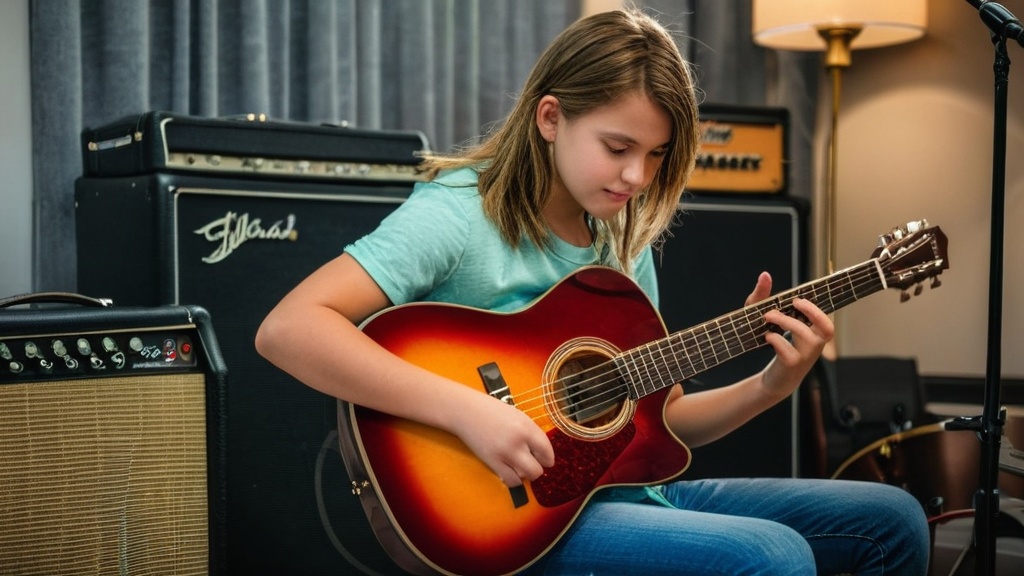

Learning to play guitar as a teen starts with a guitar that feels good to play, a few basic chords and fifteen to thirty minutes of practice every day. Choose songs you actually like, use online lessons or a teacher for feedback and play with other people as often as you can. That keeps it fun and you will see progress quickly. Below you can read step by step how to go about it.
Summary
- Playing guitar can help teens let go of stress and build confidence.
- The basics are the parts of the guitar, good posture, tuning, chords and rhythm.
- Which guitar suits you best depends on your build and your taste in music.
- Practice regularly, use online resources and consider lessons with an experienced guitarist.
- Learn your favorite songs, play with others and discover your own playing style.
Why playing guitar is good for teens
Playing guitar has both emotional and social benefits for teens. An instrument can be a great outlet during a period when a lot is happening, such as figuring out who you are and dealing with peer pressure. Making music helps you express your thoughts and feelings. Your confidence grows too: every time you get a new song or a new technique under your fingers, you feel that you have achieved something.
Playing guitar is also something you can share with friends, family or other musicians. Making music together leads to new friendships. Whether you play in a band, jam with friends or play something for your family, you learn to work together and handle feedback, and those are valuable skills.
The basics: parts, posture and tuning
Start with the parts of the guitar, such as the neck, the strings and the soundbox or body. Once you know them, you understand your instrument better, you can take better care of it and it is easier to talk with other musicians.
Next, learn how to hold the guitar properly and how to strike the strings. That sounds simple, but good posture and finger placement are the foundation of good technique. Also learn which fingers you use for specific chords and notes. It feels awkward at first, but with patience and practice your fingers move faster and faster and you gain more control.
Finally, make sure you know how the strings are tuned and how to tune them yourself, so your guitar always sounds good. You can read how that works in learning to tune your guitar with a tuner. With these basics you build a solid foundation for everything that comes after.
Choosing the right guitar
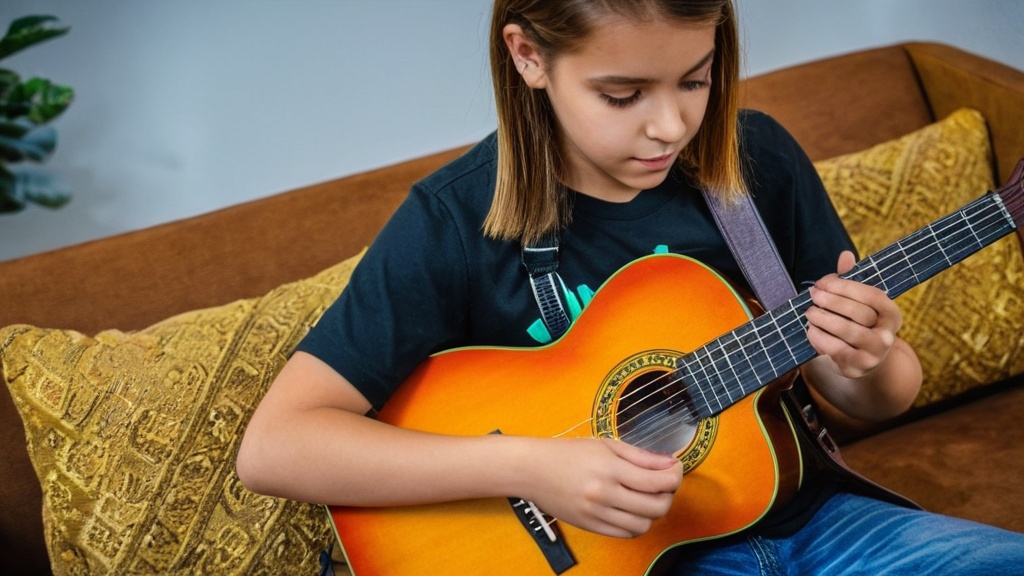
There are acoustic, electric and bass guitars, each with its own character and sound. The first choice is usually acoustic or electric. An acoustic guitar is often the simplest option for beginners, because you do not need an amplifier. It is ideal for folk, pop and singer-songwriter music. If you are more into rock, blues or metal, an electric guitar offers more possibilities with effects and tone. Read more about everything you need to know about electric guitars.
Pay attention to size and weight too, especially if you are still growing. A guitar that sits well in your hands keeps you from straining yourself while you learn. If Metallica is your favorite band, see how you can learn to play Metallica songs on guitar and which songs are best to start with. Curious about which instruments the band plays? Then read more about the guitars of James Hetfield and Kirk Hammett. A mellow song to begin with is Nothing Else Matters on guitar, with an intro on open strings.
Try out different brands and models in a music store and ask for advice. Salespeople can help you find a guitar that feels good and fits your budget. Remember: the right guitar should not only sound good, but also be comfortable to play.
Chords and scales
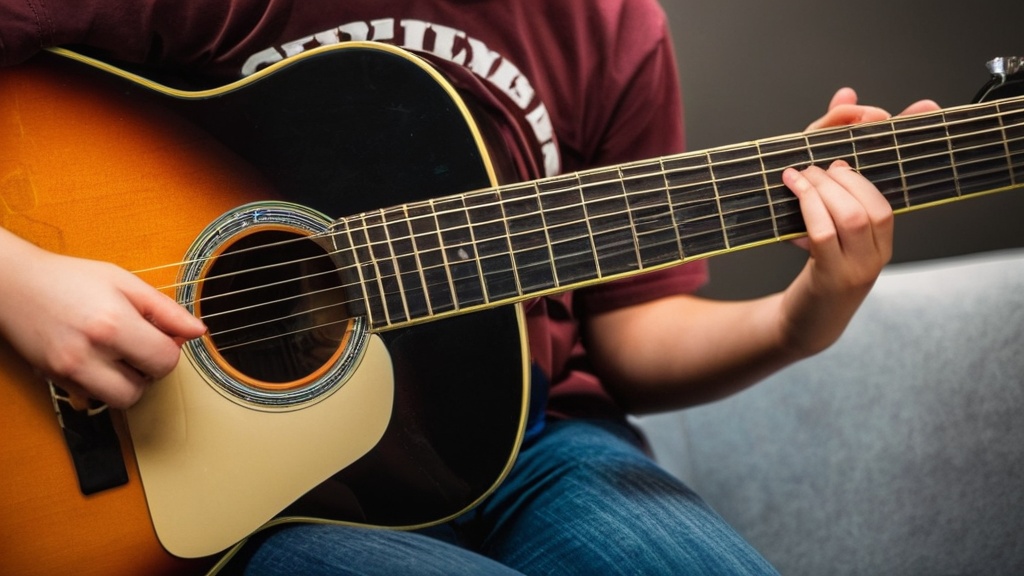
Chords are the foundation of many songs and you need them to accompany singing or other instruments. Begin with the basic chords C (x32010), G (320003), D (xx0232), A (x02220) and E (022100). You will find them in a huge number of popular songs, so you can get started with them quickly. Minor and seventh chords come next. If you want to know how chords work together to form a song, read about understanding chord progressions.
Scales help you improvise and improve your musical understanding. Begin with the major and minor scales and play them in different positions on the neck. That improves your technique and develops your ear, so you learn to analyze music better. Learning notes and rhythms pays off too: learning new songs becomes much easier.
Practical tips for practicing
If you are serious about learning guitar, practice regularly. Try to play for 15 to 30 minutes every day. It does not always have to be intense: repeating chords or playing a few favorite songs helps too. A fixed practice schedule that fits into your week makes it easier to keep going.
Online tutorials and apps for beginners are a great help, with step-by-step explanations in videos or interactive exercises for chords and techniques. A good starting point is learning guitar with YouTube tutorials, ideal if you want to learn at your own pace. You can also take lessons from an experienced guitarist or music teacher. Personal guidance gives you feedback and keeps you on the right track.
Online resources and communities
From YouTube videos to online courses and apps: there is something for every level, often free or affordable. Online communities are valuable too: you can ask questions, share tips and get feedback from other musicians. That helps most when you get stuck on a technique or song. Also watch closely how experienced guitarists play and try to apply their techniques in your own playing.
Motivating exercises
Exercises that are challenging and fun keep you motivated. For example, play chords in a progression: start simple and change the order. That makes your fingers stronger and improves your sense of rhythm and timing.
Also play familiar songs that you like and that match your level. Practicing then becomes less boring and you work toward something concrete. Need inspiration? Take a look at learning pop songs on guitar for beginners. You can also write your own songs or improvise; that stimulates your creativity and helps you find your own style.
Sticking with it: consistency and perseverance

It is easy to get frustrated when something does not work right away. By practicing regularly you will notice that you gradually get better. If you get stuck on difficult chords or tricky melodies, do not give up. Every guitarist has had moments like that and was once a beginner; those who keep going reap the rewards. Curious how much time it will take you? Read how long it takes to learn to play guitar.
Achievable goals help you stay motivated. Do not try to learn a whole album at once, but take small steps: one new chord per week or a short song without mistakes. By celebrating those small victories, you see that progress is possible. The tips on staying motivated while practicing guitar work well for teens too, such as celebrating small milestones and choosing a fixed practice time.
The role of music theory
Music theory may seem boring or difficult at first, but it helps you understand how music works. Basic knowledge of note values, time signatures and scales is useful for reading sheet music, but also for improvising and writing your own songs. When you understand how chords relate to each other, it is easier to experiment with progressions and you discover new musical ideas.
Playing together in a band or with friends
Making music is often more fun together. With friends or in a band you learn to listen to others, work on arrangements together and complement each other. Playing together is motivating too: you want to sound good with the rest, so you naturally practice more. Organize jam sessions or rehearsals regularly. You can find practical tips in tips for playing guitar in a band.
Inspiration, genres and your own playing style
Listen to different artists and styles of music, such as rock, jazz, blues or classical. Every genre has its own techniques that you can work into your playing. Also try playing songs outside your comfort zone; that often leads to surprising insights. Inspiration can even come from other art forms, such as painting, poetry or dance.
As you gain more experience, you develop your own playing style. Let other guitarists inspire you, but do not just imitate them: the goal is to find your own voice on the guitar. Experiment with fingerpicking, strumming or solos, and try out effects if you play electric. Stay curious, keep practicing and above all enjoy playing.
Frequently asked questions about learning guitar as a teen
Why is learning guitar important for teens?
Learning guitar is not just a fun hobby, it can also contribute to a teen’s development. It trains motor skills, discipline and concentration, and can help let go of stress.
What type of guitar is best for teens to learn on?
An acoustic guitar is a good start because you do not need an amplifier; if you would rather play rock or metal, an electric guitar may suit you better. If you have smaller hands, choose a model with a smaller neck and body, which is easier to handle.
What are some handy tips for teens who want to learn guitar?
Be patient and practice regularly. Begin with simple chords and songs, learn to read chord charts and tablature, and follow online lessons or take lessons from an experienced guitar teacher.
Are there special guitar lessons for teens?
Yes, there are guitar lessons and courses aimed specifically at teens. They are tailored to their age and interests so they stay motivated, and you can take them both online and in person.
What are the benefits of learning guitar at a young age?
Learning guitar at a young age helps teens find a creative outlet, build confidence and develop discipline. For some it is even a stepping stone to a career in music.
What are some popular songs teens can learn to play on guitar?
Popular choices include “Wonderwall” by Oasis, “Let Her Go” by Passenger, “Hallelujah” by Leonard Cohen and “Hey There Delilah” by Plain White T’s.
Can you teach yourself guitar as a teen without lessons?
Yes, with online tutorials, apps and chord charts you can get a long way on your own. A teacher or experienced guitarist can help you spot mistakes in your posture and technique early on. That is why many teens combine self-study with an occasional lesson.
How much should you practice as a teen to get better?
Practicing 15 to 30 minutes every day works better than one long session per week. Alternate between technique, chord changes and songs you enjoy, and practice stays varied.






Leave a Reply