


How do you make a catchy riff on guitar? Start with a catchy rhythm, choose a few notes from one scale, such as the E minor pentatonic scale, and repeat that short motif. Keep it simple, vary only the ending, and give the riff character with palm muting, bends or power chords.
What Is a Catchy Riff?
A catchy riff is a short, recognizable musical phrase that often forms the core of a song. It is the melody or musical idea that stays in your head, even long after you have heard the song. Think of the iconic guitar line of “Smoke on the Water” or the unforgettable opening of “Sweet Child O’ Mine”.
These riffs are not only memorable, they also have the power to define a song and draw in the audience. A good riff can catch the listener’s attention and invite them to keep listening, which makes it an essential part of many music genres. Catchy riffs are often simple, but they have a certain magic that makes them irresistible.
They can range from complex melodies to simple repetitions, but what they all have in common is a strong emotional impact. Whether you are a beginning musician or a seasoned professional, understanding what makes a riff catchy can help you take your own musical creations to the next level.
Summary
- A catchy riff is a recognizable and memorable musical phrase that is often repeated in a song.
- The basic principles of a good riff are simplicity, recognizability and memorability.
- The importance of rhythm and timing in creating a good riff cannot be overstated.
- Using chords and power chords can give a riff more depth and power.
- Adding melody and variation can make a riff more interesting and engaging for the listener.
Step by Step: How to Make a Catchy Riff
- Start with the rhythm. First clap or tap a short rhythm of one or two measures, with a few rests in it. A riff often sticks more because of its rhythm than because of its notes.
- Choose a limited set of notes. The E minor pentatonic scale (E, G, A, B and D) works well. On the low E string you find those notes on the open string and the 3rd, 5th and 7th frets, on the A string on the open string and the 2nd and 5th frets. Use the open low E as the root note that you keep coming back to.
- Keep it short. Four to eight notes is often enough. Let the riff return to the beginning after one or two measures.
- Work with call and response. Play the riff the same way twice and change only the ending the third or fourth time. That way it stays recognizable without getting boring.
- Give it character. Try palm muting on the bass notes, a bend or slide on the highest note, or turn the riff into power chords.
- Record it. Record your idea with your phone or at home with a simple setup and listen to it again the next day. If it is still in your head, you are onto something.
The Basic Principles of a Good Riff
When creating a good riff, there are a few basic principles to keep in mind. First, simplicity is often the key. A riff does not have to be complicated to be effective.
In fact, many of the most memorable riffs are fairly simple and easy to play. This makes them accessible to both musicians and listeners. It is important to focus on the essence of your idea and not overload it with too many notes or complex structures.
Repetition is also crucial. A good riff repeats in a way that invites the listener to sing or play along. You can do this by using the same notes or by creating a recognizable pattern.
Repetition makes sure your riff sticks in the listener’s memory, which is essential for creating a catchy song. Combining simplicity and repetition can lead to powerful musical moments that will hit your audience.
The Importance of Rhythm and Timing
Rhythm and timing are undeniably important elements in creating a good riff. Even the most melodic notes can lose their impact if they are not well timed. The rhythm gives your riff its character and makes sure it fits the flow of the song. You can read how to count rhythms and divide them into beats in counting rhythm on guitar.
It can range from a tight, syncopated groove to a more relaxed, swinging feel. It is essential to experiment with different rhythms to discover what works best for your musical idea. Timing also plays a crucial role in how your riff is perceived.
A small shift in timing can change the whole mood of your music. By playing with anticipation and delay, you can build tension and surprise the listener. You can do this, for example, by playing notes slightly earlier or later than expected, which creates a dynamic effect. Ghost notes, muted taps between the real notes, also give a riff more groove.
Mastering rhythm and timing will help you add more expression and emotion to your riffs.
Using Chords and Power Chords
Chords and power chords are powerful tools for creating riffs. Power chords, which often consist of only two or three notes, are especially popular in rock and metal because of their powerful, full sound. They give you a solid base to build your melodies on and are easy to move up and down the neck of the guitar, which makes them very versatile. You can find examples of riffs built on them in these rock guitar riffs for beginners.
By combining different power chords, you can create interesting harmonies that take your riff to the next level. Using chords can also help strengthen the emotional impact of your riff. By adding chords to your melody, you can create a richer sound that appeals to the listener.
Experiment with different chord progressions and see how they affect the mood of your riff. Sometimes simply changing one chord in a progression can make a world of difference in how your music is experienced.
Adding Melody and Variation
A good riff often has a strong melodic line that sets it apart from other musical ideas. Adding melody to your riff can help make it more interesting and layered. You can do this by using different pitches, rhythmic variations or even by bringing in other instruments that complement the melody.
The goal is to create a recognizable melody that sticks with the listener. Variation is also essential to keep your riffs fresh and engaging. This can mean making small changes to the melody or rhythm as the song progresses. You can hear how well that works in commercials: try playing a few well-known commercial jingles on guitar.
By adding variety, you keep the listener’s attention and keep your music from feeling repetitive. Think of introducing new elements in the chorus or varying the dynamics between different sections of your song.
Tips for Creating a Unique Sound
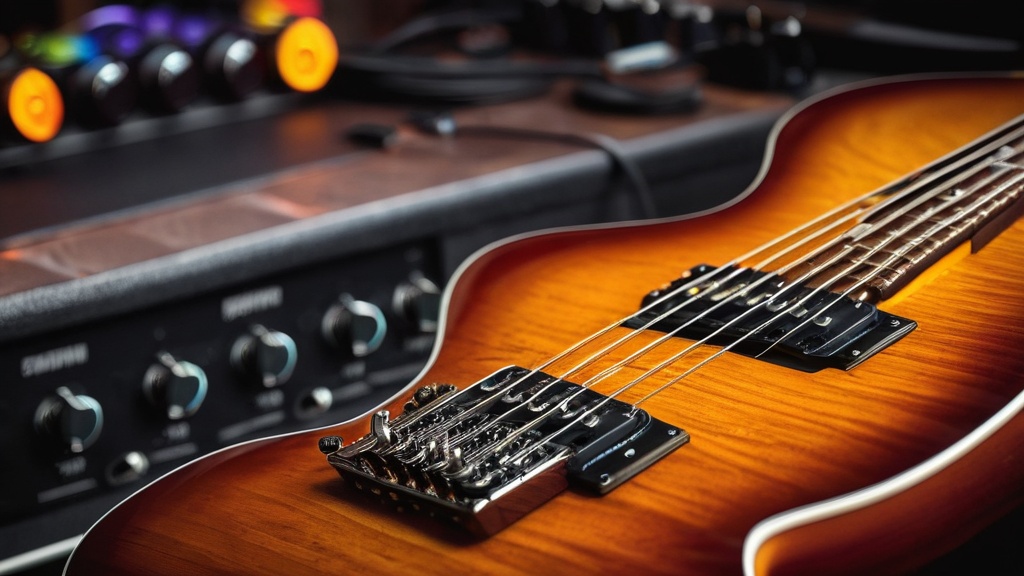
Developing a unique sound is crucial for every musician who wants to stand out in the music world. One way to achieve this is by combining different styles and genres in your riffs. Let yourself be inspired by different musical influences and try to bring these elements together in your own work.
This can lead to surprising and original sounds that make your music unique. It is also important to find your own voice as a musician. This means experimenting with different techniques, effects and instruments to discover what suits you best.
Whether it is using certain pedals, alternate tunings or unusual instruments, everything can contribute to your unique sound. Do not be afraid to step off the beaten path; sometimes the best ideas come from unexpected combinations. You can read how metal guitarists work with heavy, muted riffs in learning metal riffs on electric guitar.
Exercises to Improve Your Riff-Writing Skills
To improve your skills at creating riffs, there are several exercises you can try. One effective exercise is to make time every day for improvisation. Pick up your guitar or another instrument and play without specific goals in mind; just let the music flow.
This not only helps develop creativity, but can also lead to unexpected musical ideas. Another useful exercise is to analyze existing riffs and reinvent them. Pick a few of your favorite riffs and try playing or changing them in different ways.
This can mean playing them in a different key, changing the rhythms or even adding new melodies to the existing structure. Through this exercise you not only learn more about what makes a good riff, but you also develop your own style.
The Importance of Experimenting and Creativity
Experimenting is an essential part of the creative process in music. It lets you explore new ideas and think beyond the limits of what is considered “normal”. Do not be afraid to take risks with your riffs; sometimes the most unusual ideas can lead to something special.
Try out different instruments, effects or even recording techniques to discover new sounds. Creativity often comes from curiosity and openness to new experiences. Let yourself be inspired by other art forms, such as painting, literature or film, and see how these influences can translate into your music. If you have a riff that sticks, build a song around it. You can read how that works in writing your first song on guitar.
By exposing yourself to different ideas and perspectives, you can find new ways to express yourself musically and create unique riffs that carry your personal stamp. By applying these principles and techniques in your musical practice, you can not only create better riffs, but also improve your overall musical skills. Remember that making music should above all be fun; let yourself go and enjoy the process!
If you are looking for ways to make a catchy riff on guitar, it is important to focus not only on technique, but also on inspiration and creativity. A related article that can help you with this is Learn to Play Guitar Like a Pro: Tips and Tricks. This article offers valuable insights and techniques that can help you take your guitar playing to the next level, which is essential for creating catchy riffs. By learning from the tips and tricks discussed in this article, you can improve your skills and develop your own unique style.
Frequently asked questions about making a catchy riff
What is a riff on guitar?
A riff on guitar is a repeating musical motif that is often used as the basis for a song. It is a short, catchy and recognizable piece of music that is often played on electric guitar.
How do you make a catchy riff on guitar?
To make a catchy riff on guitar, you can start by experimenting with different chords and scales. Try to come up with simple, catchy melodies and play with them until you have a riff that sticks. It is also important to pay attention to the rhythm and timing of the riff.
Which techniques can I use to create a catchy riff?
To create a catchy riff, you can use techniques such as palm muting, power chords, slides, bends and hammer-ons. These techniques can help give your riff more dynamics and character.
What are some examples of well-known catchy riffs on guitar?
Some examples of well-known catchy riffs on guitar are “Smoke on the Water” by Deep Purple, “Sunshine of Your Love” by Cream and “Satisfaction” by The Rolling Stones. These riffs are recognizable and often stick with listeners. You can read more about the playing style behind that Cream riff in the explanation of Eric Clapton’s guitar style.
Which scale is suitable for a riff?
The minor pentatonic scale is a safe choice, because almost any combination of those five notes sounds good. If you add the diminished fifth, which in E is the Bb, you have the blues scale and your riff sounds more bluesy. You can read how to get that scale into your fingers step by step in practicing the blues scale for beginners.
How long is a good riff?
Most riffs last one to two measures and are then repeated. If you cannot hum it after hearing it a few times, make it shorter or simpler.






Leave a Reply