


A chord chart for worship songs on guitar usually consists of four to six open chords, such as G, C, D and Em, that come back in a fixed order again and again. With those few shapes and a capo, you can play many well-known worship songs. Below you read which chords and progressions you run into most often, how to play them in other keys and how to bring more dynamics into your playing with rhythm and variation.
Chord charts are the backbone of every worship song. They are the basic structure on which the melodies and lyrics are built. When you play a worship song, the chords are the musical elements that carry the emotion and message of the song.
They help create musical cohesion, but also draw the listener into the worship experience. Without a good chord chart, a song can feel chaotic or disjointed, which can weaken the impact of the message. Chord charts are also essential for musicians, especially those who are just starting out on instruments like guitar or piano.
They offer a structured way to understand and play music. By learning different chord charts, you gain not only more confidence in your playing but also a deeper understanding of how music works. This is crucial in a worship setting, where the focus is on bringing people together in worship and community.
Summary
- Chord charts are the basic structure of a song and are essential for playing worship songs
- The basic chords G, C, D and Em are common in worship songs and important to learn
- Barre chords can add more depth and emotion to worship songs
- Different keys call for different chord charts for worship songs
- Variation in chord charts can bring more dynamics and depth to worship songs
The Basic Chord Charts for Worship Songs: G, C, D, Em
The basic chord charts often used in worship songs are G, C, D and Em. These chords are not only easy to learn, they also form the basis for countless popular songs. The G chord is a powerful chord that is often used to convey a feeling of joy and excitement.
The C chord adds a warm, welcoming sound, while the D chord can evoke a feeling of hope and anticipation. Em, as a minor chord, offers a contrasting emotion that can give a song depth and reflection. When you put these chords together in different orders, you can create a wide range of musical moods. If you want to know why these chords go together so well, read which guitar chords go together.
For example, a common progression is G – C – D – Em, which can bring a sense of movement and growth to the music. By mastering these basic chords, you lay a strong foundation for your musical skills and can easily move on to more complex songs or variations. Practice the changes between G, C, D and Em in particular; these tips for changing between guitar chords faster will help you make them smoother.
Common Chord Progressions in Worship Songs
Many worship songs use the same few progressions. If you recognize them, you can join in on a new song much faster. These are the progressions you run into most often, written out in the key of G:
- I – V – vi – IV: G – D – Em – C
- vi – IV – I – V: Em – C – G – D
- I – IV – V: G – C – D
- IV – I – V – vi: C – G – D – Em
If you play in D, the first two progressions become D – A – Bm – G and Bm – G – D – A. The Roman numerals indicate the scale degree in the key. You can read exactly how that works in understanding chord progressions for guitar.
The shapes for the most-used chords, from the low E string to the high e string (x = don’t strum): G 320003, C x32010, D xx0232, Em 022000, Am x02210 and Bm x24432 (barre at the second fret).
Using Barre Chords in Worship Songs

Barre chords are an important step for musicians who want to expand their skills. Unlike open chords, where you touch only a few strings, barre chords require you to press down several strings at once with one finger. This can be challenging at first, but it opens the door to a wider range of chords and keys.
In worship songs, barre chords can help create a richer sound and add more variety to your playing. A common example of a barre chord in worship is the F chord. Beginners can sometimes find this chord difficult, but it is a powerful addition to your repertoire. If you still find that shape hard, this step-by-step explanation will help you learn barre chords more easily.
Using barre chords also makes it easier to transpose to different keys without having to change your whole playing style. This is especially handy in a worship setting where different musicians come together and may want to play in different keys.
Chord Charts for Different Keys in Worship Songs
Understanding chord charts in different keys is crucial for any musician involved in worship music. Every key has its own unique character and can have a significant effect on the emotional impact of a song. The range of the singer is also a major factor in which key works best.
It is important to know how to transpose chords to different keys to create the right mood for each song. For example, if you play a song in the key of G and notice that it does not sound good with the singer’s voice, you can easily transpose it to A or B to better match their range. This makes it possible to be flexible during rehearsals or performances. Many guitarists use a capo for this: with the capo on the second fret, the G shapes sound as A, so you keep the same shapes. You can read more in the explanation of using a capo.
Learning the different chords in every key can seem overwhelming at first, but with practice you will notice that it feels more and more natural. A foundation in music theory for guitarists helps you see more quickly which chords belong to a key.
Adding Variation to Chord Charts for More Dynamics in Worship Songs
Variation in chord charts can really bring a song to life and keep the congregation engaged. By making small changes to the order or adding extra chords, you can create dynamics and tension within a worship song. You can do this, for example, by adding seventh chords or by using transitions between different keys. If you feel nervous when playing for a full room or church, these tips for playing live without stress will help you stay calm.
Another way to add variation is to use arpeggios instead of plain strumming. This gives the song a different texture and can also help emphasize certain parts of the lyrics or melody. By being creative with chord charts, you can make sure every song feels unique and that the worship experience stays meaningful for everyone.
A popular approach in worship is to keep fixed notes on top of the chords: G as 320033, Cadd9 as x32033, Dsus4 as xx0233 and Em7 as 022033. Your ring finger and pinky then stay on the third fret of the B and high e strings. That makes the changes smoother and gives a full, open sound.
Tips for Finding the Right Chord Charts for Worship Songs
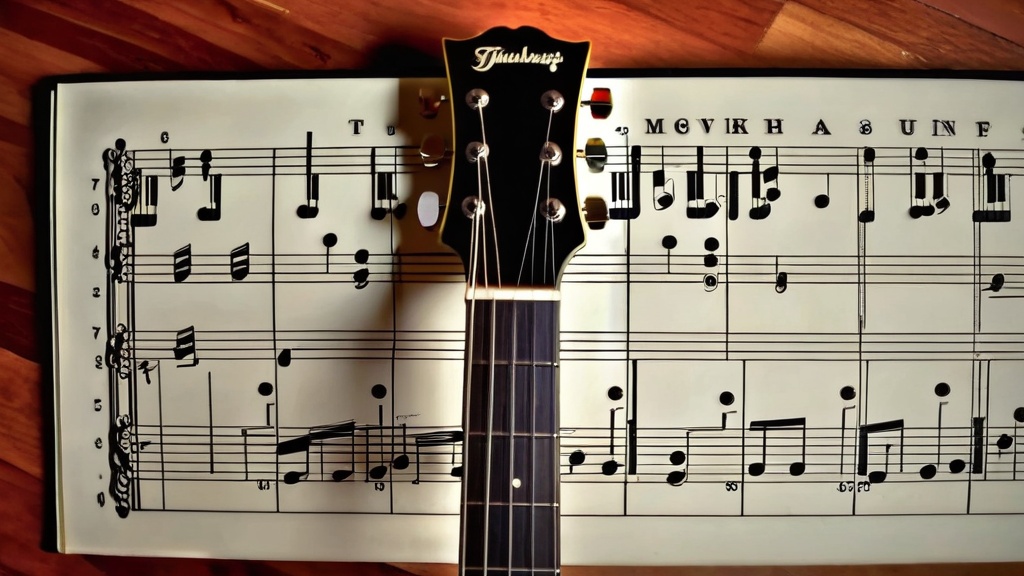
Finding the right chord charts for worship songs can sometimes be a challenge, especially if you are new to the genre. A good place to start is to look at online resources such as sheet music websites or YouTube tutorials. Many popular worship songs have free sheet music available that you can use to learn and practice the chords. Apps for learning guitar chords are also handy for looking up shapes quickly.
It is also useful to listen to live performances of worship music. This gives you insight into how other musicians play their chords, but also how they add variation and dynamics to their performances. Try different versions of the same song to see which style appeals to you most.
Don’t forget that it is important to give yourself time to experiment with different chord charts until you find what works best for you and your band.
The Importance of Rhythm and Strumming Patterns When Playing Chord Charts for Worship Songs
Rhythm and strumming patterns are crucial when playing chord charts for worship songs. They determine not only how the song sounds but also how it feels to both the musicians and the listeners. A good rhythm can raise the energy of a song and make people feel more involved in the worship experience.
It is important to try different strumming patterns to see which one fits the specific song you are playing. For example, a simple down-up strumming pattern can be perfect for quiet songs, while a more complex strumming technique works better for energetic songs. It is also useful to include silences or pauses in your strumming pattern now and then; this can help build tension and accentuate certain parts of the song. A common pattern is down, down-up, up-down-up. If you doubt your timing, first practice counting rhythm on guitar with a metronome.
By paying attention to rhythm and strumming patterns, you can take your playing to a higher level and contribute to a compelling worship experience.
Combining Chord Charts and Melodies for a Complete Worship Song Experience
Combining chord charts with melodies is where the magic really happens in worship music. The right combination can make sure the message of the song comes across powerfully. When you work on a worship song, it is important to match both the chords and the melody well.
This means you need to experiment with different melodies over the same chord charts to see what works best. Adding harmonies or backing vocals can also give the music an extra layer that makes the worship experience even richer. It is also valuable to work with other musicians; this can lead to new ideas and creative approaches you might not have come up with alone. You can read how to match chords and vocals in combining chords and vocal lines.
By working together and staying open to new possibilities, you can make sure every worship song you play is not only musically appealing but also deep and meaningful for everyone who listens.
If you play in a worship band, agree on the key, the number of repeats and the dynamics with the other musicians beforehand. That way everyone knows when the chorus comes back and when to play softer or fuller. You will find practical advice in these tips for playing guitar in a band.
Frequently asked questions about chord charts for worship songs
What is a chord chart for worship songs?
A chord chart for worship songs is a series of chords used to accompany Christian worship songs on guitar. These chords are often used in church services and Christian gatherings.
Which chords are often used in chord charts for worship songs?
Common chords used in chord charts for worship songs include G, C, D, Em, Am and Bm. These chords form the basis for many Christian worship songs.
How can I learn to play a chord chart for worship songs on guitar?
To learn to play a chord chart for worship songs on guitar, you can start by learning the basic chords and their positions on the neck. Then you can practice playing these chords in different orders and rhythms to accompany songs.
Are there specific chord charts that often appear in worship songs?
Yes, there are certain chord charts that often appear in worship songs, such as the I-IV-V progression and the vi-IV-I-V progression. These charts form the basis for many Christian worship songs and can be applied to different songs.
Are there online resources where I can find chord charts for worship songs?
Yes, there are several online resources where you can find chord charts for worship songs, such as websites, YouTube tutorials and guitar apps. These resources often offer chord charts and instructions for playing worship songs on guitar.
Do you need a capo for worship songs?
Not necessarily, but a capo is very handy. Worship songs are regularly in keys like A, B or E. With a capo you can still play them with the familiar G, C, D and Em shapes and quickly adjust a song to the singer’s range.
Which chords should a beginner learn first for worship?
Start with G, C, D and Em, because they let you play the most common progressions in the key of G. Then add A and Bm, so you can also accompany songs in the key of D (D, G, A and Bm).





Leave a Reply