

How do you make faster progress on guitar? Practice a little every day with a clear focus, play difficult passages slowly and in small pieces, and pay attention to your technique from the start. Music theory, ear training, feedback from an experienced guitarist and playing different styles help too. Below you can read how to approach each of these.
The Right Mindset for Learning Faster
When you start playing guitar, the right mindset helps enormously. You have to embrace being a learner, willing to grow and learn. That means being open to mistakes and challenges.
Mistakes are not signs of failure but opportunities to learn and improve your skills. With this positive attitude, you create an environment where you can develop without fear of criticism or disappointment. It is also important to set realistic goals.
Instead of longing for instant perfection, focus on small, achievable steps. That can range from learning a new chord to mastering a simple melody. By celebrating these small wins, you stay motivated and get a sense of satisfaction that encourages you to keep going. A quote at your practice spot can help; you will find examples in these famous guitar quotes to inspire you.
Developing a growth mindset will help you overcome obstacles and feed your passion for music.
Summary
- A positive, disciplined mindset is essential for fast progress on guitar.
- Effective practice strategies, such as breaking songs into small pieces and repeating them, can speed up the learning curve.
- Consistency and discipline are crucial for developing and keeping your guitar skills.
- Learning the right technique and posture from the start can prevent injuries and support your overall progress.
- Knowledge of music theory and ear training can help you understand and interpret pieces of music while you play.
- Learning different music styles can broaden and enrich a guitarist’s skills.
- Feedback and instruction from an experienced guitarist can help you correct mistakes and improve your playing techniques.
- Fun and motivation are essential for staying motivated and enjoying the process of learning guitar.
Effective Practice Strategies for Guitar
To learn guitar effectively, it is crucial to use structured practice strategies. A good way to do that is to set up a practice routine that covers different aspects of playing. Start by warming up your fingers with simple exercises and finger placements. You will find suitable exercises in the warm-up exercises for guitar.
This not only prepares your muscles but also improves your coordination and speed. Next, you can focus on specific techniques or songs you want to learn. It is useful to practice in blocks of time, for example 20 minutes on technique and 20 minutes on repertoire.
That way you not only develop your skills but also enjoy playing music you like. Don’t forget to return regularly to songs you learned earlier; this strengthens your memory and helps develop your musical identity.
Practicing Smart: Slowly and in Small Pieces
You make the fastest progress when you break difficult passages apart, instead of playing a whole song from start to finish again and again. Here is how to do it:
- Pick a passage of a few measures that you can’t play yet.
- Play it so slowly that you can do it without mistakes, preferably with a metronome.
- If you get it right several times in a row, raise the tempo a little.
- Then join the practiced pieces together and play the whole thing.
Record yourself with your phone now and then. When you listen back, you hear things you miss while playing, such as a string that doesn’t ring out or a chord change that comes just a bit late. You can read how to work with a metronome in learning guitar with a metronome.
The Importance of Consistency and Discipline
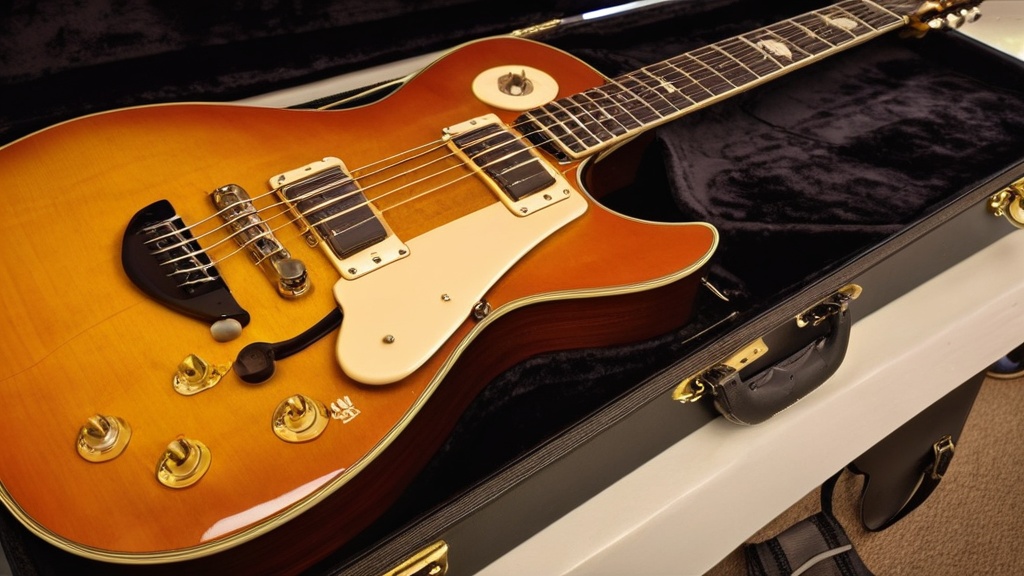
Consistency is one of the most important factors when learning an instrument. It is better to practice for a short time every day than to have long sessions once a week. By practicing daily, you not only build muscle memory but also develop a routine that helps you stay focused and motivated. You can read how many minutes a day make sense in how long to practice each day to learn guitar.
Setting a fixed practice time in your daily schedule can work wonders for your progress. Discipline also plays a crucial role in the learning process. Some days you won’t feel like practicing, but those are exactly the moments when discipline helps you keep going.
By reminding yourself why you started playing guitar and what you want to achieve, you can motivate yourself to schedule that practice session after all. This combination of consistency and discipline will ultimately lead to significant progress in your guitar playing.
The Importance of Technique and Posture
Good technique and posture are essential for every guitarist, whatever their level. Poor posture can not only lead to discomfort or injuries but can also affect the quality of your playing. Make sure you sit or stand upright, with relaxed shoulders and a good grip on the guitar. You can read what that looks like in practice in how to hold a guitar for good posture.
This will not only help your playing but also help you develop a better tone. It is also important to pay attention to the techniques you use when playing. This includes finger placement, picking technique and using the right fingers for different chords.
By learning these techniques properly from the start, you avoid developing bad habits later that are hard to unlearn. Take the time to master these basics; they are the foundation on which you can build your further skills. Which habits are best avoided right away is covered in avoiding mistakes while learning guitar.
The Importance of Music Theory and Ear Training
Music theory can sometimes seem like an abstract concept, but it is crucial for every serious guitarist. Understanding chords, scales and harmony lets you improvise better and create your own music. By learning the basics of music theory, you gain insight into how music works and how different elements come together to form a song. A practical start is learning music theory for guitarists.
Ear training is another important aspect that is often overlooked. Developing a good ear helps you not only recognize chords and melodies but also play with other musicians. Try to do exercises regularly that focus on identifying different notes and chords.
This will not only improve your musical skills but also boost your confidence when you play with others.
The Importance of Learning Different Music Styles
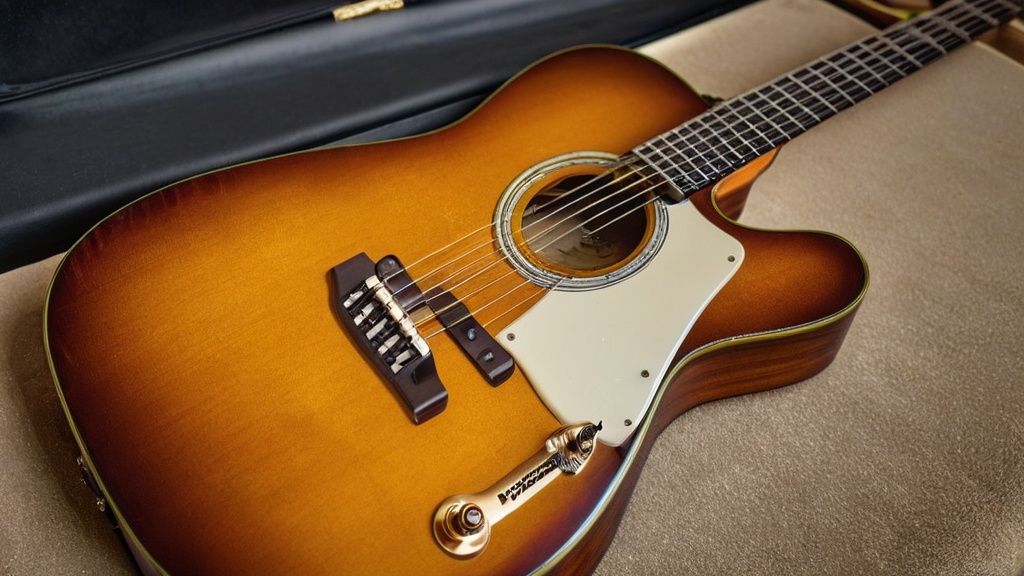
As a guitarist, it is valuable to explore different music styles. Every style has its own unique techniques and approaches that can enrich your playing. Whether you are interested in rock, jazz, blues or classical, every style offers new challenges and opportunities for growth.
By exposing yourself to a variety of genres, you develop not only a wider range of skills but also a deeper understanding of music as a whole. Learning different styles can also help you shape your own musical identity. You can combine elements from different genres to create something unique that reflects your personal style.
This can lead to more creativity and inspiration in your playing, making the learning process even more fun.
The Importance of Feedback and Instruction from an Experienced Guitarist
Feedback is crucial for growth as a musician. It can be hard to look at yourself objectively, so it is valuable to get feedback from experienced guitarists or teachers. They can point out weak spots you may not be aware of and give tips on how to improve them.
This can range from technical pointers to suggestions for choosing repertoire. Instruction from an experienced guitarist can also help enormously in speeding up your learning. A good teacher can not only teach technical skills but also inspire and motivate.
They can guide you in setting goals and developing a structured practice plan that fits your needs and ambitions. Investing in lessons can pay off in the long run in terms of progress and enjoyment of playing guitar. A ready-made example is this guitar practice plan for the first 30 days, with the chords and songs for each week.
The Importance of Fun and Motivation in the Learning Process
In the end, it all comes down to fun and motivation in the learning process. Playing guitar should be a source of joy, not an obligation or a burden. Look for ways to challenge yourself without losing sight of the fun. You will find concrete tricks for playing every day in motivation hacks for daily guitar exercises.
That can mean learning new songs that appeal to you or playing together with friends. The social side of making music can be hugely motivating and keeps you practicing. It is also important to remind yourself regularly why you started playing guitar.
Whether it is the love of music or the wish to express yourself creatively, these motivations can serve as fuel during difficult moments. By putting fun at the center of your learning, you make sure playing guitar stays a lifelong passion that keeps growing and flourishing. If you sometimes struggle with this, these tips will help you stay motivated while learning guitar.
If you want to make faster progress on guitar, it is important not only to practice regularly but also to get the right techniques and guidance. A related article that can help on your musical journey is Guitar lessons with personal guidance: your musical journey. This article discusses how personal guidance can help you learn more efficiently and improve your skills faster. By making use of focused lessons and feedback, you can take your guitar playing to a higher level.
Frequently asked questions about making faster progress on guitar
How can I make faster progress on guitar?
To make faster progress on guitar, it is important to practice regularly and stay disciplined. It can also help to follow a structured practice plan and work on specific techniques and skills.
What are some tips to improve my guitar playing?
Some tips to improve your guitar playing include learning new chords and scales, practicing rhythm and timing, and playing different music styles. It can also be useful to practice with a metronome and to work on your technique regularly.
Is it important to learn music theory for playing guitar?
Although you don’t need to learn music theory to play guitar, it can help improve your understanding of music and your playing ability. Learning music theory can help you understand chords, scales and melodies better and become more creative in your playing.
Are there specific exercises that can help me make faster progress on guitar?
Yes, there are several specific exercises that can help you make faster progress on guitar. Some examples are practicing finger placement, playing speed exercises, and working on your improvisation skills. It can also be useful to work on strengthening your left-hand and right-hand technique. You will find a series of concrete exercises in 10 daily guitar exercises for beginners.
What do you do when you feel like you’re not making progress?
A plateau like that is part of learning. Take a critical look at what you are practicing: play difficult passages more slowly, choose a new small goal or add something you haven’t mastered yet. Feedback from a teacher or experienced guitarist helps you see exactly where it gets stuck.
Does it help to record yourself while practicing?
Yes. While playing, you mostly watch your hands, so you can easily miss timing mistakes or dull notes. When you listen back, you do hear them, and you can compare recordings from a few weeks later to hear your progress.






Leave a Reply