


How do you accompany yourself on guitar while singing? Start with a song of three or four chords, find a key that suits your voice and first play so simply that your guitar part runs on its own. Only when you can change chords without thinking do you add the vocals: first humming, then at full voice. Below you will read the step-by-step plan, which guitar and chords are handy and how to find the balance between guitar and voice.
Accompanying yourself on guitar: the step-by-step plan
- Choose a song with three or four chords that you know well and like to sing, for example from these easy songs to sing and play on guitar.
- Find the right key. Sing the chorus; if it sits too low, put a capo higher. If it sits too high, choose a lower key.
- Start with one downstroke per bar on the first beat. That way you focus completely on the moment the chord changes.
- Expand to four downstrokes per bar, one on every beat, and then to a pattern like down, down-up, up-down-up.
- Hum along first or sing softly, and only sing at full voice when your guitar part runs on its own.
- Mark the chord changes in your lyrics by writing the chord above the word where it changes.
If it goes wrong as soon as your voice joins in, your guitar part is not automatic enough yet. Go back a step in the plan. For rhythm problems in particular, there are these tips for improving your timing when singing with guitar.
Choosing the right guitar for vocal accompaniment
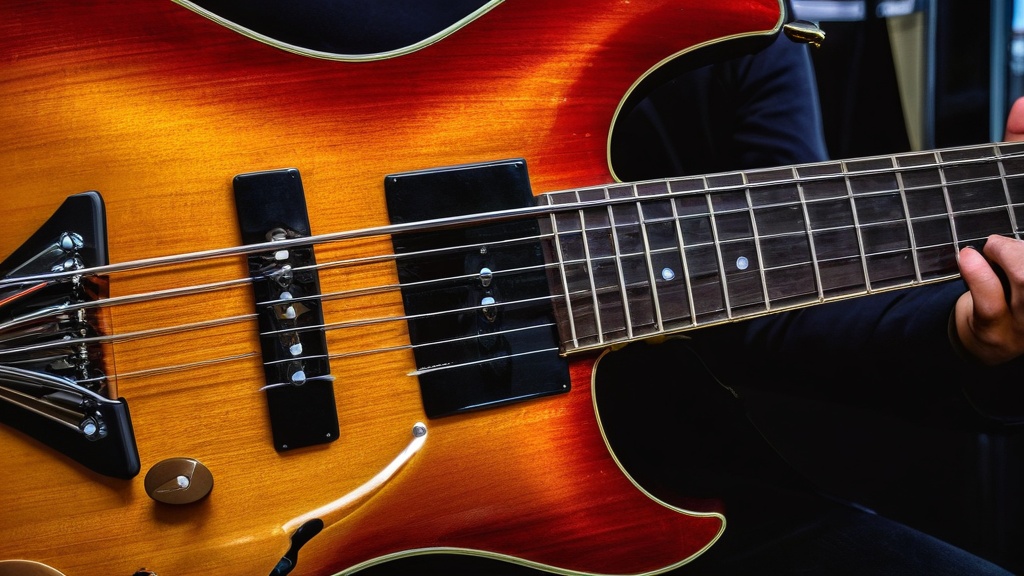
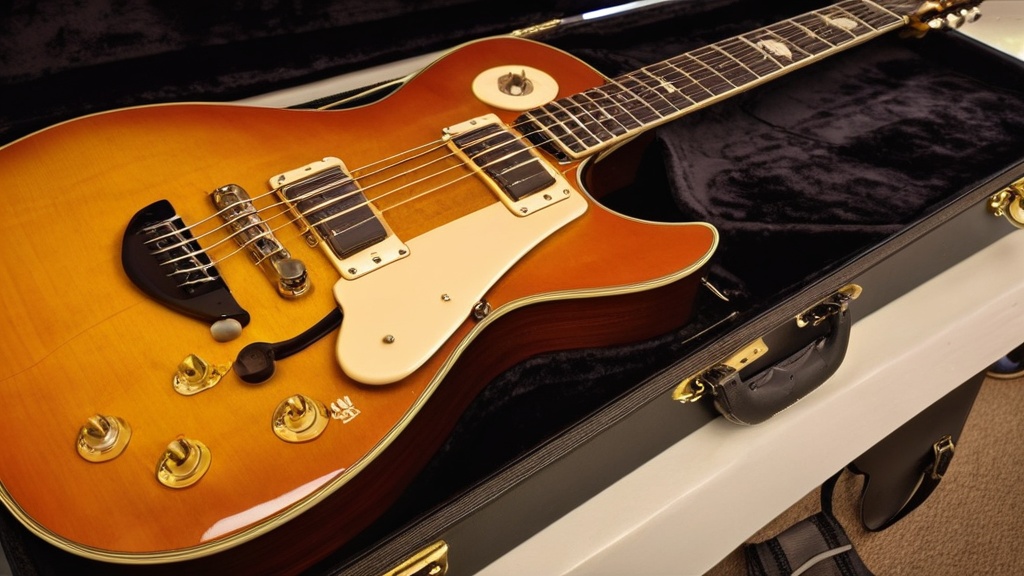
When you decide to play guitar while singing, the choice of guitar matters a lot. The right guitar can not only improve your playing experience, but also raise the quality of your vocal accompaniment. There are different types of guitars, such as acoustic, electric and classical guitars, and each type has its own unique sound and playing style.
Acoustic guitars are often the most popular choice for vocal accompaniment, because they produce a warm, full sound that blends well with the human voice. If you plan to play in an intimate setting, such as at an open mic or a living room concert, an acoustic guitar can be the perfect choice. It is also important to consider which size guitar suits you best.
For beginners, a smaller guitar, such as a 3/4-size or a parlor guitar, can be easier to handle. This can be especially useful if you do not have much experience playing guitar yet. Do not forget to consider the strings either; nylon strings are often softer on the fingers and can be a better choice for beginners or for those who focus on fingerpicking.
Ultimately, the guitar you choose should not only sound good, but also feel comfortable to play.
Summary
- Choose an acoustic guitar with a comfortable neck and low action for easy accompaniment while singing
- Learn basic chords such as G, C, D and E and practice them regularly so you can play them fluently
- Experiment with different keys to find the right pitch for your voice
- Use capos to adjust the pitch and avoid difficult chords
- Practice different rhythms and strumming patterns to add variety to your guitar accompaniment
Learning and practicing chords
Once you have chosen the right guitar, it is time to dive into learning chords. Chords form the basis of many songs and are essential for accompanying your singing. Start with the basic chords such as C, G, D, A and E. How to learn them shape by shape and change smoothly is covered in learning chords on guitar.
These chords appear in countless popular songs and are relatively easy to learn. It is important not only to remember the finger positions, but also to practice moving smoothly from one chord to another. This can be a bit challenging at first, but with patience and consistency you will notice that you are making progress.
An effective way to practice chords is to play along with your favorite songs. Look for sheet music or online tutorials that show the chords for the songs you like. This makes learning not only more fun, but also helps you develop a sense of timing and rhythm. Campfire classics are also suitable for this; read how to play campfire songs and sing along.
Also try different strumming patterns while you play; this can improve the dynamics of your accompaniment considerably. Do not forget that practice is essential; even a few minutes a day can make a big difference to your progress.
Finding the right pitch for singing and playing
One of the biggest challenges when singing and playing guitar is finding the right pitch. The pitch you sing in must fit well with the chords you play, so that everything sounds harmonious. This can sometimes mean you need to experiment with different keys to discover what suits your voice best. How melody and chords fit together is covered in combining chords and vocal lines.
It is useful to know that many songs are available in different keys, so if a song sounds too high or too low, you can always look for an alternative version. A good way to find the right pitch is to record yourself while singing and playing. Then listen back to the recording and evaluate whether the sound is pleasant.
This can help you look at your performance objectively and make adjustments where needed. It can also be useful to play together with other musicians; they can give feedback on your voice and help you find the right pitch. Remember that it is important not to force yourself into a pitch that does not feel natural; this can lead to vocal problems and frustration.
Using capos to adjust the pitch
A capo is a handy tool many guitarists use to easily change the pitch of their guitar without having to relearn chords. By placing a capo on a certain fret, you can raise the pitch without changing the finger positions of the chords. This makes it much easier to adapt songs to your voice without having to do complicated transpositions. How to place a capo and which key you get at each fret is shown in this explanation of the capo.
Using a capo can also bring variety to your music; by trying different positions, you may discover new sounds that appeal to you. It is important to experiment with where you place the capo and how this affects the sound of the chords you play. For example, try playing a song with the capo in different positions and listen to how this changes the overall mood of the song.
This can also help you develop your own style and sound. Do not forget that using a capo is not just for beginners; even experienced guitarists use it to make their music more interesting.
Mastering different rhythms and strumming patterns
Rhythm is an essential part of music and can make a big difference in how your guitar accompaniment sounds while singing. Mastering different strumming patterns can help bring variety to your playing and can even contribute to the emotional impact of a song. Start with simple patterns and gradually build up to more complex rhythms as you gain confidence in your skills.
It is also useful to listen to different music styles and notice how rhythm is used in each genre. A good way to practice rhythms is to play with a metronome or drum machine. This helps you develop a sense of timing and tempo, which is crucial for both playing guitar and singing.
Also try fingerpicking techniques; this can be a nice addition to strumming patterns and gives you more possibilities to be creative with your accompaniment. Remember that consistency and patience are key; the more you practice, the better you will get at mastering different rhythms. If you want to sing along with that, follow this step-by-step plan for singing and fingerpicking at the same time.
Combining guitar accompaniment with singing techniques
Combining guitar accompaniment with singing techniques can be challenging at first, but with some practice you can bring these two elements together seamlessly. A good way to approach this is to first get comfortable with both the guitar playing and the singing separately before you combine them. Start with simple songs that do not demand too much technical skill, so you can concentrate on coordinating both activities. You will find more background on how your hands and voice work together in combining singing and playing guitar.
Make sure you pay attention to breathing techniques while you play; this can help improve your vocal power and control. Also try adding variations in dynamics to both your guitar playing and singing; this can help add emotion and expression to your music. It is also useful to record yourself while playing and singing, so you can listen back and identify areas where improvement is possible.
Finding the right balance between guitar and voice
An important skill when accompanying yourself on guitar while singing is finding the right balance between the two elements. You want to make sure that both the guitar and the voice come across well without one element overshadowing the other. This can sometimes be a matter of experimenting with volume and dynamics; make sure you do not play too loudly if that comes at the expense of your singing quality.
A good way to find this balance is to regularly record yourself while playing and singing. Listen back to these recordings and notice how well the guitar and voice come together. If one element sounds stronger than the other, try making adjustments to volume or playing style until you are satisfied with the result.
Do not forget that this process takes time; be patient with yourself as you develop this balance.
Tips for practicing on your own and improving guitar accompaniment while singing
Practicing on your own is essential for every musician who wants to improve their skills, especially when it comes to guitar accompaniment while singing. A good tip is to set up a structured practice routine that includes both technical exercises and repertoire. Start every session with some warm-up exercises for both guitar and voice; this way you begin relaxed and are better prepared for longer playing.
It can also be useful to set specific goals for yourself during each practice session. These can be goals such as learning a new chord, improving a strumming pattern or working on breathing techniques while singing. By staying focused on these goals, you can practice more purposefully and make progress faster.
Do not forget that consistency is more important than quantity; even short daily practice sessions can be more effective than long sessions now and then. By applying these tips and regularly making time for practice, you will notice that both your guitar accompaniment and your singing skills improve considerably. Stay patient with yourself and enjoy the process; making music is, after all, a wonderful way to express yourself!
If you are interested in accompanying yourself on guitar while singing, it is important to start with the basics of playing guitar. A useful article that can help you with this is Learn to Play Guitar Songs: Tips and Tricks. This article offers valuable tips and techniques you can use to improve your guitar skills, so you can play and sing confidently at the same time. Among other things, it covers choosing the right chords and developing good timing, which is essential for smooth accompaniment.
Frequently asked questions about accompanying yourself on guitar
What is self-accompaniment on guitar while singing?
Self-accompaniment on guitar while singing is when you accompany yourself on the guitar while you sing. This can be a solo performance or simply for personal enjoyment. If you perform solo in the pub around the corner, these tips for a café gig with guitar will help.
Which chords are useful to learn for self-accompaniment on guitar?
For self-accompaniment on guitar while singing, chords such as G, C, D, Em and Am are handy to learn. These chords are used in many popular songs.
Do I need to read music to accompany myself on guitar while singing?
No, it is not necessary to read music to accompany yourself on guitar while singing. Many guitarists learn chords and picking patterns through chord diagrams and tablature.
What are some handy picking patterns for self-accompaniment on guitar while singing?
Some handy patterns for self-accompaniment on guitar while singing are the basic strum (downstrokes and upstrokes), the fingerpicking technique and arpeggios.
Should I use a capo for self-accompaniment on guitar while singing?
Using a capo is optional for self-accompaniment on guitar while singing. A capo can be handy for adjusting the key of the song to your singing voice.
How do you remember when to change chords?
Write the chords above the lyrics, exactly above the word where the change falls. Then practice just the changes while you speak the lyrics. After a few times you will naturally feel where the next chord comes.
What do you do if your guitar drowns out your voice?
Strum more softly, use a thinner pick or play with your fingers, and hit fewer strings in the verses. Save the full strums for the chorus. That keeps your voice understandable and gives the song more dynamics.




Leave a Reply